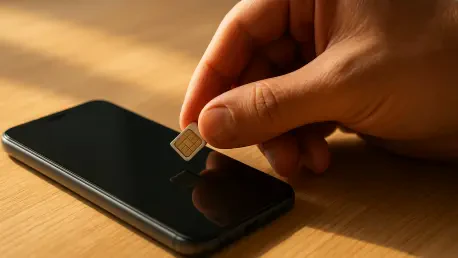

By dialing star 100 star 100 hash, Safaricom customers can activate a specific protection setting that prevents SIM swaps from occurring without their physical presence. This mechanism is part of a broader strategy to combat a surge in telecommunications identity theft that has impacted thousands of mobile wallet users across East Africa. In the current landscape of 2026, where digital currency has become the primary medium for both personal and commercial transactions, the security of a mobile number is equivalent to the security of a physical bank vault. SIM swap fraud involves a sophisticated form of impersonation where criminals trick service providers into porting a target’s number to a new device. Once the number is hijacked, the original owner is left without service, while the attacker receives all incoming authentication codes and notifications. This allows for the rapid unauthorized transfer of funds from mobile wallets to anonymous accounts before the owner can react.
1. How the Scam Is Carried Out
The mechanics of a successful SIM swap operation usually depend on a combination of social engineering and data mining. Criminals start by identifying a high-value target and gathering personal information from available sources. This includes scouring public social media profiles for names and birth dates, or using deceptive phone calls to extract identification numbers directly from the victim. In 2026, the sophistication of these data collection methods has reached a point where fraudsters can create highly accurate digital replicas of a person’s identity. Once this information is secured, the attacker contacts the mobile provider, posing as the owner who has lost their phone. By providing the stolen credentials, they convince the customer service agent or an automated system to authorize a SIM replacement. This initial phase of the crime is entirely invisible to the victim until the actual swap occurs, making it a particularly dangerous form of theft.
After the provider processes the fraudulent request, the victim’s original SIM card is immediately decommissioned, and the network service is redirected to the card held by the criminal. This transition grants the attacker control over every digital service linked to that specific phone number. Since many financial institutions and mobile money platforms rely on SMS-based authentication, the criminal can now initiate password resets and transaction approvals with ease. For example, they might log into a mobile money app and request a PIN reset, which triggers a confirmation code sent via text. Because the fraudster now holds the active SIM, they receive the code and can set a new PIN. The speed at which these transactions occur is a hallmark of SIM swap fraud, leaving very little time for the rightful owner to intervene once they realize their phone has lost signal. This hijacking effectively turns a victim’s primary contact method into a tool for financial theft.
2. Red Flags to Look For
Recognizing the early warning signs of a SIM swap is essential for minimizing financial loss. The most prominent red flag is a sudden and total loss of cellular connectivity on a mobile device. While it is common to experience occasional network fluctuations, a persistent “No Service” status is a major indicator that the SIM card has been deactivated. Users should be suspicious if this occurs in an area where they normally have excellent reception and where others on the same network are not experiencing similar issues. This suggests that the disconnection is specific to the account rather than the infrastructure. Furthermore, if the loss of signal happens immediately after receiving a strange phone call asking for personal information, it is a near-certainty that an unauthorized swap attempt is in progress. Monitoring the status of the network connection serves as a vital diagnostic tool. Acting quickly at the first sign of an unexplained outage can prevent the criminal from accessing linked wallets.
Beyond connectivity issues, unusual patterns in communication and official network notifications also serve as critical alerts. Friends may mention that calls to the victim’s number are ringing or going to a stranger, even though the victim’s device shows no activity. Additionally, many network operators have implemented defensive messaging to warn users of account changes. For instance, receiving an unsolicited SMS that mentions a pending SIM replacement or asks for confirmation of a new line is a clear signal that a fraudster is attempting to use the victim’s ID. In Kenya, Safaricom uses shortcodes like 707 to communicate these security alerts, and ignoring such messages can have dire consequences. Another warning sign is receiving multiple calls from unknown numbers that hang up as soon as they are answered, a tactic often used to harass a victim into turning off their phone. Staying vigilant about these anomalies allows users to act before the criminal can bridge the gap to their financial accounts.
3. Five Steps to Secure Your Mobile Money
Securing a mobile wallet requires a multi-layered approach that begins with auditing current account status. Users should start by dialing USSD codes like star 106 hash to check all mobile lines currently registered to their national identification number. This ensures that no fraudulent secondary lines have been opened without their knowledge. Following this, activating a SIM swap lock is a vital preventative measure. On the Safaricom network, this is achieved by dialing star 100 star 100 hash, which ensures that any future SIM replacement request must be handled in person at an official service center with valid identification. This simple step prevents remote attackers from exploiting telephone-based support channels. By making it physically necessary for the owner to be present for a swap, the majority of remote social engineering attacks are neutralized. These actions provide a robust foundation for mobile security that is difficult for even the most determined criminals to bypass.
In addition to network protections, users must manage their device-specific settings and personal data to close remaining vulnerabilities. Setting a SIM PIN is an effective way to prevent a hijacked SIM card from being used in another device. This feature, available in the security settings of both Android and iOS devices, requires a code whenever a phone is restarted or the SIM is inserted into a new handset. Simultaneously, users should ensure that their mobile money PINs are unique and difficult to guess, avoiding obvious choices like birth years or sequential numbers. It is also critical to scrub sensitive personal information, such as ID numbers and exact dates of birth, from public social media profiles. Scammers use these details to impersonate victims when speaking to network agents. By limiting the amount of personal data available online and adding hardware-level locks, users create a complex security environment that significantly raises the effort required for a fraudster to succeed.
4. Immediate Response to Potential Breaches
If a SIM swap is suspected, the response must be immediate to prevent the total loss of digital assets. The primary action is to contact the mobile network operator from a different phone to report the fraud and request an immediate suspension of the account. This halts all outgoing transactions and prevents the criminal from receiving any further authentication codes. Simultaneously, the victim should reach out to their bank to freeze any accounts linked to that mobile number. Since mobile money wallets are often connected to primary bank accounts, securing the banking side of the equation is just as important as blocking the SIM itself. Users should also update the passwords for their primary email accounts, especially those used for account recovery. Because many services allow for password resets via email, a fraudster who gains access to a synchronized inbox can expand their attack far beyond the initial mobile wallet breach. Taking these steps in rapid succession can mitigate the overall damage.
The evolution of mobile money fraud during 2025 necessitated a more disciplined approach to digital security among consumers and providers. As of late 2025, regional regulators established more rigorous standards for identity verification, which helped to slow the growth of SIM-based theft. These historical shifts demonstrated that while mobile financial services offered convenience, they also required users to remain constantly aware of the data they shared publicly. Future security considerations pointed toward a widespread transition to biometric verification and decentralized identity frameworks to eliminate the vulnerabilities of traditional SIM cards. Law enforcement agencies also worked closely with network operators to track the flow of stolen funds, resulting in the recovery of assets and the dismantling of fraud rings. Ultimately, the lessons learned from these security challenges fostered a more resilient environment where technical safeguards and user education protected the integrity of the digital economy for everyone.