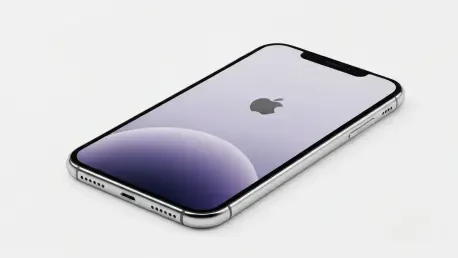

The familiar process of updating an iPhone’s operating system has been fundamentally transformed into a one-way street, marking a significant departure from years of established user practice. With the release of iOS 26, Apple has quietly dismantled the safety net that millions of users have long relied upon: the ability to downgrade to a previous software version. This is not a bug or a temporary measure but a deliberate architectural decision. The company has ceased “signing” the prior stable release, iOS 18.6.2, which is a server-side verification step essential for authorizing the installation of older software. Consequently, any attempt to restore an iPhone to this version will fail, locking the device into the latest OS permanently. This move effectively ends the era of user-controlled software rollbacks, forcing every individual who updates to commit fully to the new ecosystem, for better or worse, without an escape route.
The End of an Era for User Control
For years, the option to downgrade an iPhone’s operating system served as a crucial and often necessary recourse for users encountering unforeseen problems with a new software release. Whether facing sudden battery drain, sluggish performance on older hardware, or a critical incompatibility with an essential application, reverting to a previous, stable version of iOS was a reliable solution. This user autonomy provided a buffer, allowing the more adventurous to test new software while the cautious could wait for initial bugs to be ironed out, safe in the knowledge that a rollback was possible. The removal of this capability with the iOS 26 update represents a profound shift in the user-device relationship. It moves from a partnership with a degree of flexibility to a rigid mandate where the user must adapt to the software’s state, not the other way around. The commitment to update is no longer a trial but a binding decision with immediate and lasting consequences for the device’s daily usability.
This new policy is made more striking by its apparently targeted implementation, which currently singles out the iPhone ecosystem. While iPhone users are now bound to iOS 26 once they upgrade, iPad owners have not yet been subjected to the same restriction, suggesting this is a calculated strategy rather than a blanket change across all of Apple’s mobile devices. This distinction implies a deliberate effort to tighten control over the company’s most mainstream and globally ubiquitous product line. The iPhone is the centerpiece of the Apple ecosystem, and by ensuring a uniform software environment, the company can enforce security protocols and new features more effectively across a vast user base. However, this enforced uniformity comes at the direct expense of user choice, leaving a significant portion of the customer base without a remedy for update-related issues beyond waiting for a subsequent patch and hoping it resolves their specific problems. The escape hatch has been sealed, and for iPhone users, the only way forward is through the software Apple provides.
A New Philosophy of Forward Progress
Apple’s rationale for this significant policy change is rooted in a dual focus on security and operational efficiency, aiming to create a more robust and streamlined ecosystem. By preventing users from downgrading to older software, the company ensures that a vast majority of active devices are running the latest, most secure version of iOS. Older operating systems often contain unpatched vulnerabilities that can be exploited, posing a risk not only to the individual user but to the entire network. This forced-adoption model effectively minimizes the attack surface across hundreds of millions of devices, strengthening the overall security posture of the iOS platform. Operationally, it simplifies the complex processes of development, testing, and customer support. Engineers no longer need to account for a fragmented user base spread across multiple OS versions, allowing them to concentrate resources on refining the current software and developing future iterations without the burden of backward compatibility for outdated systems.
Instead of allowing users to retreat from a problematic update, Apple’s new strategy pivots entirely toward rapid, forward-facing solutions. The company is signaling that issues within a new OS will be addressed aggressively and swiftly through iterative patches rather than by permitting a return to a previous version. The quick release of iOS 26.1 serves as a prime example of this new paradigm in action. This update was specifically engineered to address a wave of user complaints that followed the initial launch of iOS 26. It introduced targeted improvements to core functions like FaceTime and live translations while also providing users with options to mitigate or disable some of the more controversial aesthetic changes, such as the “Liquid Glass” design and certain frustrating new gestures. This approach establishes a new expectation: users should report problems and anticipate a fix within the current software framework, rather than seeking refuge in the past. It’s a fundamental shift from user-led solutions to a developer-driven, forward-momentum model of problem resolution.
Navigating the New Update Landscape
The transition to a permanent, non-reversible update model demanded a significant adjustment in user behavior. The act of updating an iPhone was no longer an experimental or easily correctable step but a deliberate and final commitment to a new software environment. This reality underscored the necessity for a more cautious and prepared approach from users before they initiated the installation process. The importance of creating comprehensive, recent data backups became paramount, as a problematic update could no longer be undone by a simple software restore. Furthermore, users, especially professionals who rely on specific applications for their work, had to make it a mandatory practice to verify the compatibility of their essential apps with the new iOS version. The new landscape also elevated the value of community feedback, compelling many to wait and observe the experiences of early adopters before deciding to proceed, transforming what was once a routine click into a calculated decision with lasting implications for their device’s functionality.