
The alliance between Deutsche Telekom, Telefónica, Orange, and Vodafone seeks to secure the commercial EU layer of spectrum specifically for D2D and Internet of Things services. This unprecedented collaboration signals a pivotal moment for regional connectivity, as the continent’s major mobile

Starlink’s connectivity business is experiencing annual revenue increases of nearly 69 percent, positioning it as a significant profit driver in the space sector. This financial success mirrors a broader industry transformation where nearly 70 percent of the global mobile market is now represented

Tracking more than 30,000 person-year observations shows that the psychological benefits of smart wearables are significantly influenced by an individual's digital literacy. As the global population continues to age, the integration of smart wristbands and watches has transitioned from a

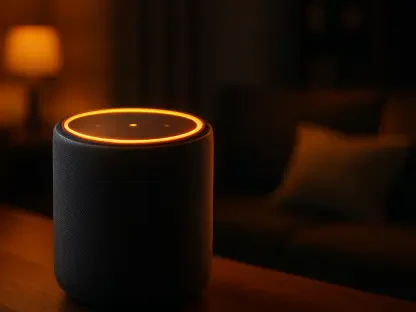
Apple's release of the $299 HomeView signals a calculated shift away from luxury hardware toward a more aggressive, competitive pricing strategy in the smart home sector. This strategic move represents a pivot from the high-margin, niche focus of the original HomePod to a broader ambition:

The recent introduction of Amazon’s Bee hardware lineup, featuring the Frontier and Eclipse devices, signifies a fundamental pivot in how consumer electronics interface with the messy, unscripted reality of human interaction. This launch represents the massive integration of a startup acquisition
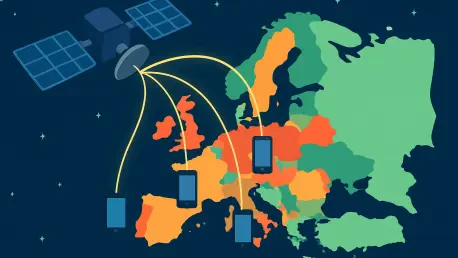
Telefónica's involvement ensures that the initiative maintains strong political and economic support across Southern Europe and its diverse international business ties. This strategic commitment emerges as a cornerstone of the newly formed alliance between Deutsche Telekom, Orange, and Vodafone,
1 2 3 4 5 6 7 8 9 10 11 12 13 14 15 16 17 18 19 20 21 22 23 24 25 26 27 28 29 30 31 32 33 34 35 36 37 38 39