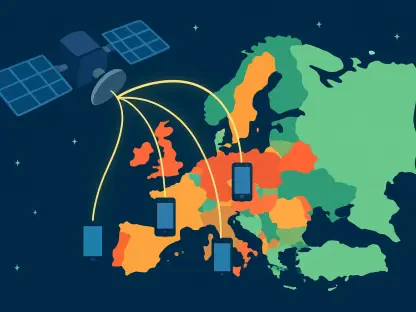

The introduction of the GSMA SGP.32 specification specifically targets the unique constraints of IoT hardware that cannot rely on user interactions like scanning QR codes. This development marks a significant departure from previous standards that often required manual intervention or local

Engaging the Device Checker service serves as a critical first step for any buyer looking to avoid the technical pitfalls of purchasing unapproved electronic equipment. The Nigerian Communications Commission recently intensified its regulatory oversight to protect consumers from the hazards of

Domestic living is no longer just about four walls and a roof; it is about the silent digital layers that orchestrate our daily routines through predictive algorithms. This roundup examines the industry’s shift toward ambient computing, where Apple Intelligence serves as the foundational architect
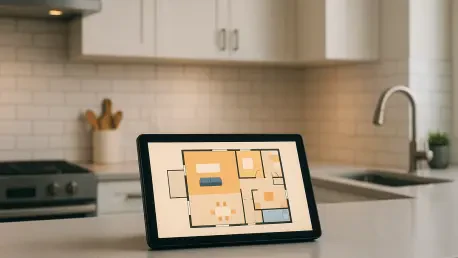
The upcoming Welcome Home event in New York City marks a decisive shift as Apple attempts to unify its fragmented home automation products into a single, cohesive ecosystem. For years, users have navigated a landscape of disconnected experiences across the HomePod, Apple TV 4K, and the Home app,
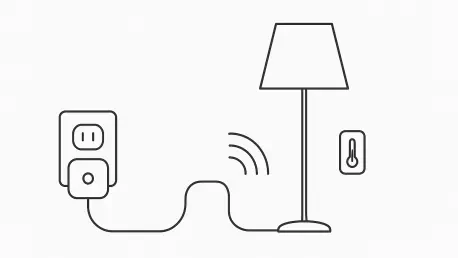
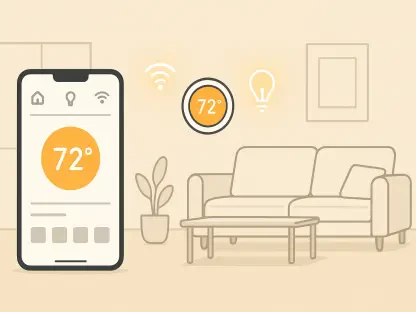
Occupancy-aware cooling prevents energy waste by ensuring air conditioners only run when sensors detect a human presence within a specific room. This specific application highlights the broader potential of smart plugs to transform aging household hardware into responsive components of a modern

The Japanese telecommunications sector is currently defined by a powerful oligopoly where NTT Docomo, au by KDDI, and SoftBank collectively control more than 80% of all active mobile subscriptions. This landscape is a sophisticated blend of massive infrastructure investments and a high-stakes