
The 2026 market distinguishes performance-first devices from lifestyle smartwatches by their ability to provide weeks of battery life and deep offline topographic mapping. This evolution reflects a broader trend where the gap between sports science laboratories and consumer wearables has nearly vanished, offering athletes unprecedented access to granular physiological data. For the modern runner, a watch is no longer just a digital stopwatch or a basic GPS tracker; it has become a sophisticated biometric hub capable of predicting performance trends and identifying overtraining before it leads to injury. The current landscape is defined by a move toward extreme durability and hyper-local environmental sensing, ensuring that whether someone is navigating a suburban marathon or a remote mountain ultramarathon, the device remains a reliable primary instrument. As participation in endurance sports continues to break records, manufacturers have focused their engineering efforts on refining the three core pillars of the 2026 experience: structural integrity, energy density, and data fidelity.
Core Strategies for Smart Purchasing
Part 1: Prioritizing Structural Build Quality
When evaluating the vast array of options in the current market, the most effective strategy involves prioritizing physical materials over an ever-expanding list of software features. Most mid-to-high-end watches now possess more tracking modes than any single athlete will ever utilize in a lifetime of training. Instead of being swayed by niche activity profiles for sports that are rarely practiced, consumers find more long-term value in the physical robustness of the device. A titanium bezel or a sapphire glass lens provides tangible protection against the daily abrasions of trail running and strength training. These materials ensure that the watch remains functional and aesthetically pleasing for several years, effectively lowering the cost-per-use and reducing the need for frequent hardware replacements.
The shift toward premium materials also impacts the overall weight and comfort of the device, which are critical factors during long-duration endurance events. Titanium has become the industry standard for those seeking a high strength-to-weight ratio, allowing for a rugged build that does not feel cumbersome on the wrist during high-cadence running. In contrast, while fiber-reinforced polymers are significantly more affordable, they lack the impact resistance required for technical mountain environments. By focusing on the structural foundation of the watch, runners can ensure that their investment survives accidental drops, collisions with rocks, and the corrosive effects of salt and sweat over hundreds of training sessions.
Durability in 2026 also extends to the internal sealing and button mechanisms, which are often the first points of failure in cheaper models. High-quality watches utilize double-sealed buttons and improved gasket technology to maintain water resistance even as the device ages. This mechanical reliability is essential for athletes who train in diverse climates, from humid tropical environments to freezing alpine conditions. Choosing a watch based on its construction quality rather than its software version number prevents the frustration of technical malfunctions during critical race moments. A well-built watch acts as a consistent partner, maintaining its integrity through the most demanding physical challenges an athlete can provide.
Part 2: Assessing Battery Longevity and Sport Modes
Battery life remains the primary differentiator between professional-grade instruments and casual fitness trackers. In 2026, a high-performing watch should provide at least ten days of standard smartwatch functionality and a minimum of 24 to 30 hours of continuous high-precision GPS tracking. For ultramarathoners or multi-day trekkers, these requirements are even higher, often necessitating devices that can exceed 60 hours of GPS use on a single charge. Before purchasing, it is vital to audit personal training habits to determine the necessary energy capacity. A runner who prefers to charge their device only once a week will find more satisfaction in a model with a larger physical battery, even if it adds a few grams to the total weight.
The complexity of sport-specific modes has also increased, requiring buyers to verify that their chosen device supports the unique requirements of their discipline. While every watch can track a standard road run, specialized activities like triathlons, open-water swimming, and backcountry skiing require specific data processing algorithms. For example, a triathlon mode must support seamless transitions between disciplines with a single button press, while a skiing mode needs to automatically detect lift rides to separate descent data from rest periods. Ensuring these features are native to the watch’s operating system prevents the need for clunky third-party applications that often drain the battery more rapidly and provide less accurate data synchronization.
A common pitfall in the 2026 market is “feature chasing,” where consumers pay a premium for experimental metrics that have little impact on their actual training outcomes. Experts suggest identifying three to five core metrics that are essential for your goals, such as heart rate variability, real-time pace, and elevation gain, and then choosing a device that excels at displaying those clearly. Having five hundred activity profiles is of little use if the screen is difficult to read during a high-intensity interval session or if the GPS data is inconsistent in your local training environment. By focusing on essential performance indicators, runners can streamline their data consumption and focus more on the physical effort of the workout.
Hardware Construction and Display Technology
Part 1: Titanium, Sapphire, and the Durability Standard
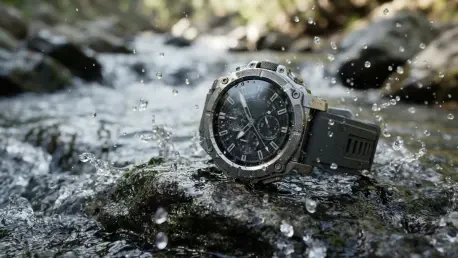
The external construction of a running watch serves as the first line of defense against the unpredictable nature of outdoor training. In 2026, the use of Grade 5 titanium has moved from a luxury feature to a standard expectation for any device marketed as “rugged” or “pro.” This material is preferred not only for its weight but for its biocompatibility, which reduces skin irritation during long periods of wear when sweat and moisture are trapped against the wrist. Furthermore, titanium bezels act as a protective shield for the display, absorbing the force of impacts that would otherwise shatter the screen. This level of protection is indispensable for trail runners who frequently encounter low-hanging branches, rocky outcrops, and technical terrain where falls are a possibility.
Lens material is the second most critical component of hardware durability, with sapphire crystal leading the market for high-end devices. Unlike standard mineral glass or chemically strengthened alternatives, sapphire is virtually impossible to scratch under normal circumstances, maintaining its clarity for the entire lifespan of the watch. This is particularly important for runners who also engage in rock climbing, bouldering, or obstacle course racing where the watch face is likely to come into contact with abrasive surfaces. While sapphire can be slightly more reflective than glass, modern anti-reflective coatings have largely mitigated this issue, ensuring that the screen remains visible in a wide variety of lighting conditions without compromising its legendary hardness.
Beyond the bezel and lens, the case material and band attachment points have seen significant engineering improvements. Many 2026 models utilize a hybrid construction where a titanium core is reinforced with high-strength polymers to optimize both weight and signal transparency for internal antennas. The lugs, where the strap connects to the watch body, are now frequently integrated into the metal chassis to prevent the snapping that often occurred in older, plastic-only designs. These improvements ensure that the watch stays securely attached to the wrist even during high-impact activities or when snagged on clothing. Investing in these high-grade materials guarantees that the hardware will not be the limiting factor in an athlete’s progression.
Part 2: The Display DilemmAMOLED vs. Memory-in-Pixel
The choice between display technologies has become one of the most debated topics among athletes in 2026. AMOLED screens have surged in popularity due to their vibrant colors, high resolution, and exceptional contrast ratios, which make them look like a high-end smartphone on the wrist. These displays are particularly advantageous in low-light environments or for older runners who benefit from the increased brightness and text clarity. However, the high power draw of an AMOLED screen requires sophisticated power management software, and many models still use a “gesture-based” wake system to save energy. This means the screen is dark until the wrist is turned, which can sometimes be frustrating during a race when a runner needs a split-second glance at their pace.
Conversely, Memory-in-Pixel (MIP) technology remains the gold standard for hardcore endurance and outdoor visibility. These transflective displays use ambient light to illuminate the screen, meaning the brighter the sun, the clearer the display becomes. Because they require almost no power to maintain a static image, they allow for the “always-on” functionality that many traditionalists prefer. While the colors are less saturated and the resolution is lower than AMOLED, the benefit to battery life is substantial, often doubling the time between charges. For trail runners spending ten hours in the mountains or for those who live in sunny climates, the reliability and visibility of a MIP display often outweigh the aesthetic appeal of a more modern-looking screen.
In 2026, manufacturers have begun to close the gap between these two technologies through hybrid approaches and improved panel efficiency. Some high-end AMOLED watches now feature “ultra-low power” always-on modes that provide basic data without fully activating the screen, while MIP displays have improved their backlight consistency for night running. The decision ultimately comes down to the environment in which most training occurs. A road runner who primarily trains in the early morning or evening and values a modern aesthetic will likely prefer AMOLED. In contrast, a desert or high-altitude runner who values maximum battery and visibility in harsh glare will find the MIP display to be a more practical tool for their specific needs.
Technical Sensors and Accuracy Standards
Part 1: Multi-Band GNSS and Environmental Tracking
Satellite tracking has undergone a massive transformation, with Multi-Band (Dual-Frequency) GNSS now serving as the baseline for accuracy. This technology allows the watch to communicate with multiple satellite constellations—such as GPS, GLONASS, Galileo, and BeiDou—simultaneously across two different frequency bands, L1 and L5. The primary benefit of this system is its ability to filter out reflected signals, which often cause “GPS drift” in challenging environments like deep forests, narrow canyons, or cities with tall skyscrapers. By comparing the two signals, the watch can calculate its position with far greater precision, often within a single meter, ensuring that distance and pace data remain reliable regardless of the surroundings.
While the accuracy of Multi-Band GNSS is undisputed, it places a significantly higher demand on the device’s battery. Modern watches in 2026 address this through “AutoSelect” or “All Systems” modes that dynamically adjust the level of satellite tracking based on the signal environment. When the watch detects a clear view of the sky, it may drop down to a single-frequency mode to save power, only engaging the secondary band when the signal quality degrades. This intelligent switching allows runners to enjoy the benefits of pinpoint accuracy during the most difficult parts of their route without unnecessarily draining the battery during a long, flat run. Understanding these settings is crucial for any runner who needs to balance the need for precise data with the length of their outing.
Environmental tracking has also become more integrated into the standard sensor suite, providing context that goes beyond simple movement. Barometric altimeters are now standard in most mid-range models, utilizing atmospheric pressure changes to track elevation gain and loss with a level of detail that GPS-based calculations cannot match. This is essential for trail runners and hikers who need to know their exact vertical position on a mountain. Additionally, 2026 devices often include ambient light sensors to adjust display brightness and thermometers to track how temperature fluctuations might be impacting heart rate and performance. Together, these sensors create a comprehensive picture of the external forces acting upon the athlete during their session.
Part 2: Biometric Reliability and External Sensor Integration
The accuracy of wrist-based optical heart rate (OHR) sensors has improved significantly by 2026, utilizing multi-channel LED arrays that penetrate deeper into the skin to reach more blood vessels. These sensors are highly effective for steady-state training, providing a reliable measure of effort without the need for additional equipment. However, the inherent physics of optical sensing means that they still face challenges during high-intensity intervals or cold-weather runs where blood flow to the extremities is reduced. Rapid changes in heart rate can sometimes lead to a “lag” in the data, where the watch takes a few seconds to catch up to the actual effort level. For athletes who rely on heart rate zones for precision training, this limitation is an important consideration.
To solve the limitations of wrist-based sensing, the 2026 ecosystem emphasizes seamless integration with external sensors. Most professional-grade watches support both Bluetooth and ANT+ connectivity, allowing them to pair with chest straps or upper-arm bands that utilize electrical signals from the heart for near-perfect accuracy. These external sensors eliminate the issues caused by “cadence lock,” where the watch accidentally tracks the movement of the arm instead of the pulse. For serious training, the consensus among experts is to use the watch’s internal sensor for daily health tracking and low-intensity runs, while switching to a dedicated strap for speed work, racing, and any session where data integrity is paramount.
Beyond heart rate, modern watches are increasingly becoming compatible with advanced running power meters and foot pods. These devices provide additional metrics such as ground contact time, vertical oscillation, and running power measured in watts. In 2026, much of this data can now be calculated directly from the wrist using internal accelerometers and gyroscopes, but external sensors still provide the most accurate measurements for those looking to refine their running economy. The ability of a watch to serve as a central hub for all these different data streams is a key marker of its quality. A robust software ecosystem that can aggregate and analyze these inputs provides a competitive advantage for athletes seeking to optimize every aspect of their biomechanics.
Navigation and Holistic Health Monitoring
Part 1: Topographic Mapping vs. Breadcrumb Systems
Navigation capabilities are a major factor in the price of a running watch, and in 2026, the distinction between simple path-following and full mapping is clearer than ever. Entry-level models typically offer “breadcrumb” navigation, which displays a simple line on a blank background to show the route. While this is sufficient for staying on a pre-loaded path, it provides no context about the surrounding area. If a runner needs to detour due to a trail closure or an emergency, a breadcrumb system cannot show where a nearby road or safety point might be located. For those who stay on well-marked paths or run familiar routes, this basic functionality is often enough to prevent getting lost.
High-end devices, however, now feature full-color topographic maps that are stored directly on the watch’s internal memory. These maps include contour lines, water bodies, trail names, and even points of interest like gas stations or trailheads. When combined with a touchscreen, these maps allow for intuitive panning and zooming, making them a powerful tool for exploration. In 2026, these systems also include “round-trip routing,” where the watch can generate a safe running route based on a desired distance and the runner’s current location. This is particularly valuable for business travelers or those exploring a new city who want to find the most popular and safest paths without doing extensive research beforehand.
The safety implications of advanced mapping cannot be overstated for trail and mountain runners. Modern mapping software includes “ClimbPro” or similar features that break down an upcoming ascent into manageable segments, showing the remaining distance, grade, and vertical gain. This allows an athlete to pace themselves effectively and avoid burning out before reaching the summit. Furthermore, the ability to see intersecting trails and terrain features in real-time provides a level of confidence and security that traditional navigation simply cannot match. For any runner who ventures into remote areas where cellular signals are unreliable, having a detailed topographic map on the wrist is a non-negotiable safety feature.
Part 2: Synthesizing Recovery Scores and Physiological Data
The 2026 generation of watches has moved beyond tracking activities to providing a holistic view of the “athlete as a whole.” The most significant advancement in this area is the synthesis of recovery scores, which combine several data points into a single, actionable number. By analyzing Heart Rate Variability (HRV), sleep quality, recent training load, and even stress levels, the watch can tell a runner if they are ready for a maximal effort or if they should opt for an active recovery day. This approach helps prevent the cumulative fatigue that often leads to burnout. These scores are designed to be a guide, encouraging runners to listen to their bodies while providing an objective second opinion based on physiological trends.
Sleep tracking has also become a standard pillar of health monitoring, providing insights into the different stages of rest, such as deep, REM, and light sleep. While these sensors are not medical-grade polysomnography machines, they are highly effective at identifying long-term trends and the impact of lifestyle choices on recovery. For instance, a runner might notice that a late-night meal or alcohol consumption significantly lowers their HRV and increases their resting heart rate the following morning. By observing these patterns over several months, athletes can make informed adjustments to their routines to maximize their body’s ability to rebuild after strenuous training sessions.
Training readiness is another metric that has gained prominence, providing a forward-looking estimation of how much stress the body can handle on a given day. This metric considers how well the athlete has recovered from their previous session and balances it against their current fitness level and sleep history. In 2026, this data is often presented in a simplified dashboard that provides a “green, yellow, or red” status, making it easy to digest at a glance. By following these suggestions, runners can optimize their training blocks for maximum adaptation, ensuring they are peaking at the right time for their goal races. This intelligent use of data represents the shift from “training harder” to “training smarter.”
Brand Ecosystems and Specialized Use Cases
Part 1: Comparing Industry Leaders: Garmin, Coros, and Suunto
Garmin continues to dominate the 2026 market by offering the most expansive feature sets and the most mature software ecosystem. The Garmin Connect platform is a massive repository of training data that appeals to the most analytical runners, offering everything from advanced race predictors to detailed gear tracking. Garmin also leads in “lifestyle” integration, with features like offline music storage for Spotify and contactless payments through Garmin Pay. However, this depth comes with a steeper learning curve and often a higher price point, commonly referred to as the “Garmin tax.” For those who want every possible feature and a proven track record of software updates, Garmin remains the primary choice.
Coros has solidified its position as the preferred brand for athletes who prioritize simplicity and extreme battery life. Their devices are known for a minimalist interface that relies on a digital crown, making them easy to operate with gloves or in wet conditions. Coros has also made significant strides with its Training Hub, providing professional-grade analytics at no additional cost. By focusing on the core needs of endurance athletes and avoiding some of the more complex “smart” features found on Garmin devices, Coros is often able to offer lighter hardware and longer-lasting batteries at a lower price point. This makes them a favorite among ultramarathoners and those who value a “tools, not toys” approach to their equipment.
Suunto has successfully re-established itself as a major contender by blending legendary Finnish durability with modern AMOLED technology. Their latest models emphasize a clean, European aesthetic and a user interface that is highly intuitive for outdoor navigation. Suunto’s strength lies in its commitment to sustainable manufacturing and its focus on mountain sports, providing some of the most detailed topographic maps in the industry. While they may not have the sheer number of software features found in the Garmin ecosystem, their watches are praised for their build quality and reliable performance in extreme conditions. This makes Suunto an excellent choice for the mountaineer or trail runner who wants a stylish, high-performing device that feels premium on and off the trail.
Part 2: Performance-First vs. Lifestyle-First Considerations
A critical distinction in 2026 is the choice between a dedicated running watch and a general-purpose smartwatch like the Apple Watch Ultra. While high-end smartwatches have made significant gains in battery life and fitness tracking, they are fundamentally designed as “lifestyle-first” devices. They offer deep integration with phone notifications, cellular connectivity, and a vast library of third-party apps, but they often lack the deep, native training analysis found in a Garmin or Coros. For someone who wants their watch to act as a replacement for their phone and only occasionally tracks a five-kilometer run, a general-purpose smartwatch is often the more convenient choice.
However, for the dedicated athlete, the “performance-first” approach of a specialized running watch is almost always superior. These devices are built to prioritize battery life, data accuracy, and button-based controls that work in any environment. They offer native features like “training status” and “recovery time” that are built into the core operating system, rather than relying on inconsistent third-party apps. Furthermore, specialized watches are designed to be always-on, providing constant access to biometric data without needing to be charged every night. This reliability is essential for anyone following a structured training plan where missing a single session’s data can disrupt long-term performance tracking.
The 2026 market also sees a growing trend of “cross-sport” functionality, where running watches are becoming increasingly capable of tracking niche activities like skiing, surfing, and even scuba diving. This versatility is appealing to the modern “hybrid athlete” who may run three days a week but also spends time in the gym or on the slopes. When choosing between brands, it is important to look at how well these secondary sports are supported. A watch that offers a specialized “Ski-Touring” mode with auto-climb detection is far more valuable to a winter athlete than one that simply labels every activity as a “workout.” Identifying your full range of physical pursuits will lead to a more versatile and satisfying purchase.
Battery Management and Solar Innovations
Part 1: Maximizing Lifespan through Solar Integration
Solar charging technology has become remarkably efficient by 2026, serving as a vital supplementary power source for outdoor enthusiasts. While it is not yet possible to power a high-performance GPS watch entirely through sunlight, integrated solar panels can significantly extend the interval between traditional plug-in charges. In many flagship models, the solar ring is now virtually invisible, integrated directly into the display glass without reducing clarity. For runners who spend significant time training in sunny environments, this can add several days of life in smartwatch mode or an extra few hours during an ultra-endurance event. It is a feature that provides peace of mind, knowing that the watch is actively gathering energy whenever you are outside.
The effectiveness of solar charging depends on “Lux hours,” or the intensity and duration of sunlight exposure. Most 2026 watches provide a dedicated solar intensity widget that shows how much energy has been harvested throughout the day. This data allows runners to optimize their charging by placing the watch in a sunny window when not in use or by choosing sleeveless shirts during summer runs to maximize the exposure of the watch face. While it is often marketed as a high-end feature, solar technology is increasingly available in mid-range models, making it an accessible option for those who want to reduce their reliance on the power grid and maximize the uptime of their training data.
Beyond the immediate benefit to battery life, solar integration represents a commitment to long-term hardware health. By reducing the frequency of full charge cycles, solar charging can actually slow the chemical degradation of the lithium-ion battery. This means the watch can maintain its original capacity for more years than a non-solar version. For the environmentally conscious athlete or the one who plans to keep their device for five years or more, the investment in solar technology pays dividends in both convenience and longevity. It has become a hallmark of a device designed for the true explorer who values independence from the charging cable.
Part 2: Maintenance Protocols for Modern Lithium-Ion Cells
Proper battery maintenance is essential to preserve the multi-year investment of a premium running watch. In 2026, the chemistry of lithium-ion batteries remains sensitive to extreme states of charge. Experts recommend a “20-80” protocol, where the watch is ideally kept between 20% and 80% capacity most of the time. Repeatedly letting the battery drain to zero or keeping it at 100% on a charger for days can accelerate the wear of the internal cells. Many modern watches now include an “optimized charging” feature that learns the user’s habits and slows the charging process after it reaches 80% to protect the battery’s long-term health.
Temperature management is another critical factor in preserving battery integrity. High-performance watches are designed to withstand heat, but charging a device in a hot car or leaving it in direct summer sun when not on the wrist can cause permanent capacity loss. Conversely, extremely cold temperatures can cause temporary voltage drops, leading the watch to shut down unexpectedly even if it shows a remaining charge. To prevent this, runners in freezing climates often wear their watch under a sleeve to keep it warm with body heat. Following these simple environmental and charging guidelines ensures that the watch’s power performance remains consistent throughout its entire service life.
Finally, managing the software settings of the watch can significantly impact daily energy consumption. While it is tempting to enable every available feature, turning off high-draw options like “all-day pulse oximetry” or “always-on display” when they are not needed can double the time between charges. Most 2026 devices offer customizable power modes, allowing the user to create a “Race Mode” that turns off all non-essential smart features to prioritize GPS and heart rate. By understanding how to toggle these settings, a runner can transform their watch from a power-hungry smart device into a lean, long-lasting endurance tool. This active management of the device is the hallmark of an informed and efficient modern athlete.
Final Considerations for the 2026 Buyer
Part 1: Long-Term Data Consistency and Brand Loyalty
As runners built their training histories over several years, the importance of data continuity became a significant factor in brand loyalty. By 2026, switching from one ecosystem to another often meant leaving behind years of personal bests, heat maps, and physiological trends that the previous brand’s algorithm had meticulously curated. While some third-party services allowed for the manual transfer of activity files, the deep, integrated health metrics like sleep history and long-term recovery baselines were much harder to move. Consequently, many athletes found that staying within a single brand ecosystem provided a clearer picture of their progression as they moved from their first local race to more challenging endurance goals.
The major brands recognized this trend and focused on improving their long-term data visualization tools. Platforms like Garmin Connect and the Coros Training Hub began offering year-over-year comparisons that allowed runners to see how their VO2 Max or resting heart rate had changed over an entire decade. This historical perspective was invaluable for identifying the subtle signs of aging or the long-term impact of improved consistency. Choosing a watch thus became a decision about which company’s software would likely be around and well-supported for the next five to ten years. The stability of the brand’s digital platform became just as important as the physical durability of the watch itself.
For the savvy buyer, this meant that the initial purchase was the start of a long-term relationship with a digital coach. They looked for brands that regularly pushed out firmware updates to older models, ensuring that even a two-year-old watch could benefit from the latest algorithmic improvements. This commitment to software longevity ensured that the device remained useful and accurate as the industry’s understanding of human performance continued to evolve. By selecting a brand with a strong track record of supporting its hardware, runners were able to maximize the value of their investment and maintain a consistent, uninterrupted record of their athletic journey through the years.
Part 2: Integrating Technology with Internal Body Awareness
The ultimate goal of any running watch in 2026 was to serve as a bridge between high-tech data and the runner’s own internal sensations. The most successful athletes used their devices to calibrate their perceived exertion, learning exactly what a “Zone 2” effort felt like in their own bodies. Over time, the watch acted less like a master and more like a validator, confirming the athlete’s intuition about their recovery and readiness. This synergy allowed runners to develop a deep sense of self-awareness, which was essential for making real-time decisions during a race when technical malfunctions or unexpected conditions might occur. The tech was a tool for empowerment, not a replacement for instinct.
The market moved toward a “quiet technology” approach, where the most advanced watches provided insights only when necessary, rather than bombarding the user with constant notifications. This allowed runners to stay present in their environment, enjoying the simple rhythm of their breath and the feel of the terrain underfoot. By setting up custom alerts for heart rate or pace, they could trust the watch to notify them only if they drifted outside of their planned effort levels. This balance of being “connected but focused” became the standard for a high-quality running experience. The device was there to capture the data and provide safety, but it never sought to distract from the meditative joy of the run itself.
Ultimately, the best running watch was the one that faded into the background during the most intense moments of a workout. It provided the necessary information at a glance and then disappeared, allowing the athlete to focus entirely on the physical and mental challenge at hand. By 2026, the technology had reached a level of maturity where it no longer required constant attention; it simply worked, consistently and accurately, in the background. As runners looked forward to their future goals, they chose devices that reflected this philosophy of reliability and simplicity. The right watch was a silent partner, recording every mile and every heartbeat, while the runner remained the true architect of their own performance.