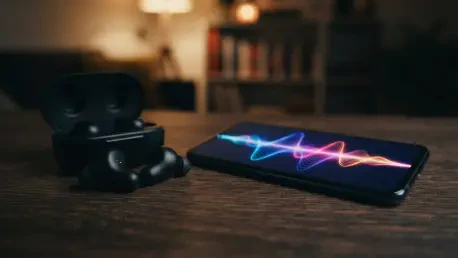

The convergence of GymKit and in-ear sensing technology allows for the accurate tracking of elliptical and treadmill workouts without additional wrist-based sensors. This technological leap, introduced with the release of iOS 27, signifies a profound shift in how audio hardware functions as a multi-purpose biometric tool. In 2026, the focus has moved beyond simple wireless connectivity toward a deeply integrated health and audio ecosystem that leverages the ## chip across multiple device iterations. Users are no longer strictly restricted to using a dedicated smartwatch to monitor their cardiovascular performance during high-intensity interval training or steady-state cardio sessions. Instead, the advanced sensors embedded within the AirPods Pro 3 provide real-time heart rate data and motion analytics directly to the paired smartphone. This integration streamlines the workout experience, reducing the friction often associated with managing multiple wearable devices. The software update ensures that data synchronization is both instantaneous and accurate, reflecting a more mature approach to health technology.
Advanced Personalization: Audio Control and Customization
User Agency: Manual Adaptive Audio Bias
Within the realm of audio engineering, the latest software update has fundamentally altered the behavior of Adaptive Audio, providing users with unprecedented manual control. Previously, the system relied on proprietary algorithms to determine the balance between active noise cancellation and transparency mode based on ambient sound levels. Now, however, individuals can manually bias the audio processing to favor specific environmental awareness levels depending on their immediate surroundings. This level of granularity is particularly beneficial for those navigating complex urban environments where safety requires a high degree of transparency, or for professionals in shared workspaces who need total isolation without total disconnection. The update allows for a tailored listening experience that adapts to user preference rather than strictly adhering to automated presets. By shifting this agency back to the consumer, the ecosystem has become more versatile, accommodating a wider variety of auditory needs while maintaining the high standard of acoustic fidelity expected from the hardware.
Frequency Modulation: Three-Band Custom Equalizer
A significant addition to the user interface is the introduction of a custom three-band equalizer, which represents a departure from the historically locked tuning profiles. While the brand has traditionally favored a balanced and neutral sound signature, the new equalizer allows for specific adjustments to low, mid, and high frequencies. To assist those who may not be well-versed in acoustic engineering, the system features a live visual animation that responds to frequency changes in real-time. This feedback loop helps users understand how boosting the bass or clarifying the treble impacts the overall soundstage. Whether a person prefers a more percussive response for modern music genres or a mid-forward profile for spoken-word content like podcasts and audiobooks, the tools are now readily available. This development acknowledges that audio preference is inherently subjective and that providing robust customization tools can significantly enhance the long-term perceived value of the audio hardware.
Strategic Optimization: Hardware and Health Integration
Biometric Intelligence: In-Ear Heart Rate Monitoring
Building on the biometric capabilities of the latest hardware, the integration with gym equipment has seen a major overhaul, facilitating a more cohesive fitness journey. The Workout Buddy system now facilitates a direct link between the AirPods and compatible cardio machines, enabling the tracking of distance, pace, and calories without requiring a wrist-bound sensor. This is especially advantageous for athletes who find traditional watches cumbersome during certain movements or those who prefer a more minimalist approach to their training gear. Although the current iteration does not yet contribute directly to closing activity rings in the primary health application, the depth of data collected is comprehensive. The ## chip’s processing power allows for complex calculations to occur locally, ensuring that biometric readings remain private and secure while being transmitted to the user’s mobile device. This focus on localized processing and direct machine connectivity highlights a broader trend toward decentralizing health tracking.
Future Implementation: Strategies for Wellness Tracking
In the final analysis, the implementation of these software features redefined the relationship between users and their audio hardware during the initial rollout phase. The strategic shift toward localized biometric processing and granular environmental control established a precedent for subsequent device iterations. For those looking to optimize their daily workflow, it became necessary to calibrate the manual audio bias to suit specific occupational hazards or concentration needs. Furthermore, the integration of ear-based heart rate sensors offered a reliable data stream for fitness enthusiasts who prioritized a streamlined, watch-free experience during training sessions. Industry observers noted that early adopters who engaged with the custom equalizer settings achieved a significantly higher satisfaction rating regarding long-term sound quality perception. For the best results, users were encouraged to verify that their equipment utilized the ## chipset to access the full suite of health and audio tools.