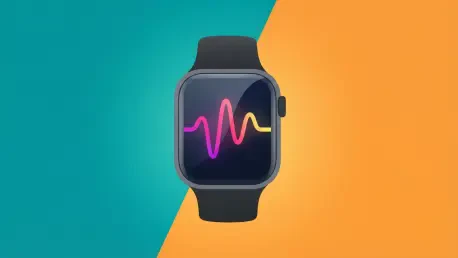

The lack of future security patches means that sensitive health and personal data stored on older watches may become increasingly vulnerable to evolving cyber threats. This reality has become the focal point of discussion as Samsung prepares to roll out its latest software iteration, One UI 9 Watch, which noticeably excludes the aging Galaxy Watch 4 series. As the industry transitions into a new phase of hyper-connected, AI-driven wearable experiences, the hardware that first introduced the unified Wear OS platform is finally seeing its sunset. This exclusion signals more than just a missed update; it represents a fundamental shift in how long-term device sustainability is managed in an era where health tracking and personal security are paramount. For those who have held onto these pioneers of the 2021 generation, the news necessitates a careful evaluation of the risks and benefits of remaining on an unsupported platform as the software ecosystem moves forward into a more demanding and technologically advanced era.
The End of an Era for a Wearable Pioneer
Historical Significance and Market Impact
When the Galaxy Watch 4 and its counterpart, the Watch 4 Classic, debuted in 2021, they signaled a tectonic shift for the entire wearable industry. These devices were the primary vehicles for Samsung’s departure from its proprietary Tizen operating system in favor of a collaborative effort with Google to build Wear OS. This transition was not merely a cosmetic change but a foundational rebuilding of what a smartwatch could achieve within the Android ecosystem. By integrating the Google Play Store directly onto the wrist, Samsung unlocked a vast library of third-party applications that had previously been out of reach for Galaxy users. This move successfully bridged the gap between different hardware standards, creating a more cohesive and competitive alternative to other major platforms. The introduction of the BioActive Sensor further solidified these watches as leaders in health monitoring, providing users with unprecedented access to body composition and cardiovascular data.
Throughout their extensive lifecycle, these specific models served as the blueprint for the modern smartwatch experience, receiving a rigorous schedule of updates that included One UI Watch versions 4.5, 5, 6, and 8. Having fulfilled their promised cycle of four major operating system upgrades, these models have officially reached their planned software maturity as the company moves toward more resource-intensive features. The decision to end support marks a significant milestone in the lifecycle of Samsung’s wearable ecosystem, reflecting the natural progression of hardware and software alignment. While these devices remained remarkably functional for an extended period, the increasing complexity of modern codebases requires a level of processing power that older chipsets struggle to maintain without compromising the user experience. This lifecycle completion highlights the impressive longevity of the 2021 generation while simultaneously underscoring the reality of rapid innovation.
Broad Exclusion and Hardware Limits
The cessation of support is not limited to the standard versions of these watches, as Samsung has confirmed that the software freeze extends to specialized hardware variants as well. This includes the Galaxy Watch 4 Golf Edition and the high-end Galaxy Watch 4 Classic Thom Browne Edition, both of which represented premium segments of the market during their initial release. Despite the luxury branding or specific niche utilities associated with these models, they share the same internal architecture and processing limitations as the base 2021 series. As the company rolls out One UI 9 Watch, which debuted alongside the newest flagship models, the older hardware simply cannot keep pace with the increasing computational demands of the latest features. This trend is a common occurrence in the consumer electronics industry, where the physical capabilities of sensors and the efficiency of older processors eventually fall behind the requirements of modern operating systems.
The technological gap has become particularly evident with the introduction of advanced health monitoring tools that require more sophisticated sensor arrays than those found in the 2021 lineup. Newer models benefit from refined skin temperature sensors and more precise metabolic tracking capabilities that were not technologically feasible or widely available during the development of the Watch 4. Consequently, even if the latest software were compatible with older processors, the lack of hardware-level support for these innovations would result in a fragmented and incomplete user experience. This hardware mismatch is a primary driver behind the exclusion, as providing a software update that cannot utilize half of the headline features would lead to consumer dissatisfaction and performance bottlenecks. By focusing resources on hardware that can fully leverage the capabilities of One UI 9, the developer ensures that the integrity of the user experience remains high and relevant.
Navigating the Transition for Current Owners
The Risks of Staying Behind
For individuals who continue to wear a Galaxy Watch 4 in the current environment, the most pressing concern involves the cessation of security maintenance and the resulting exposure to modern digital threats. Without regular patches, the sensitive health data, financial information for mobile payments, and personal communications stored on the device become potential targets for sophisticated cyber attacks. In the context of 2026, where wearable devices are more deeply integrated into personal and professional workflows than ever before, an unpatched gateway on the wrist can serve as a significant vulnerability for the entire connected ecosystem. While the watch may continue to track steps or display notifications with basic efficiency, the underlying risks grow more acute as the software version recedes further from the current security standard. This degradation of the digital perimeter makes the device less of a tool and more of a liability for users who prioritize privacy.
Beyond security concerns, the practical utility of the device will likely experience a steady decline as third-party developers shift their focus toward the latest versions of Wear OS. As new applications and updates are designed to take advantage of the advanced APIs found in One UI 9, older operating systems often suffer from diminishing support and performance glitches. Many essential apps may eventually stop functioning entirely or lose critical synchronization features that users have come to rely on for productivity and fitness tracking. This gradual obsolescence is often more frustrating than a total failure, as features that once worked seamlessly begin to lag or crash due to incompatibilities with updated cloud services and mobile phone operating systems. The friction caused by these software gaps can significantly diminish the value of the wearable, turning a once-seamless experience into a series of technical hurdles that detract from the overall user convenience.
Future Considerations and Creative Repurposing
Navigating this transition requires a strategic approach to either upgrading or finding a new purpose for the aging hardware. For those who remain attached to the tactile experience of the physical rotating bezel, which was a defining characteristic of the Watch 4 Classic, the Galaxy Watch 8 Classic provides a direct and powerful upgrade path. This model offers the same mechanical feel that many enthusiasts prefer while incorporating the vastly improved BioActive sensors and the processing efficiency needed for current software. Alternatively, the Galaxy Watch 9 represents the pinnacle of the current ecosystem, offering the longest support window and the most advanced health features available in the market today. Moving to a newer model not only restores the security of personal data but also opens access to the proactive AI features that are defining the modern wearable experience. For users who are deeply invested in health tracking, these upgrades ensure accurate data collection.
Owners of the original 2021 series discovered that repurposing the device was an effective way to extend its value without relying on it as a primary interface. Many users transitioned their older watches into dedicated nighttime sleep trackers, which allowed them to charge their primary devices overnight while maintaining consistent data collection. Others utilized the hardware as stationary controllers for smart home environments or as dedicated media remotes in home gyms where constant connectivity and the latest security patches were less critical. This approach maximized the remaining lifecycle of the hardware while acknowledging its limitations in a fast-moving software landscape. Ultimately, the Galaxy Watch 4 series served its purpose as a revolutionary bridge between two eras of mobile computing. The transition to the latest software standards marked a natural conclusion for a product line that successfully redefined what consumers expected from their wearable technology.