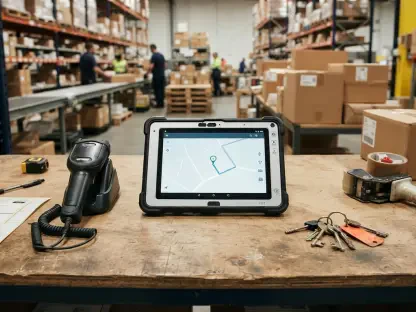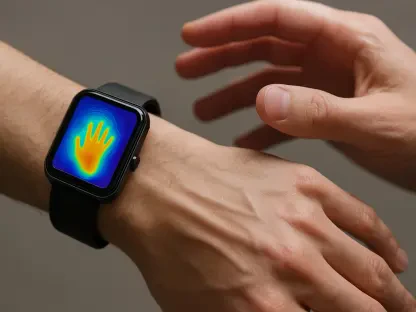

Non-portable indoor systems like bed motion detectors serve as vital tools for nocturnal safety and the mitigation of sudden unexpected death in epilepsy. As of 2026, the landscape of epilepsy care is undergoing a significant transformation, moving away from traditional clinical settings and into the daily lives of patients. A recent comprehensive review highlighted how advancements in artificial intelligence and sensor technology are reshaping how we manage this neurological condition, which affects approximately 50 million people worldwide. The primary goal of these wearable digital health technologies is to bridge the gap for the 30% of patients whose seizures do not respond to conventional medications and require more intensive, real-time monitoring. For decades, the gold standard for diagnosis has been video-electroencephalogram monitoring, a method that is highly accurate but confined to specialized hospitals. This creates a major hurdle because seizures are unpredictable and often occur outside the clinic.
Advanced Sensor Modalities: Precision Through Physiological Tracking
The technical foundation of these wearables relies on various sensors that detect specific biological changes associated with seizure activity. Movement-based detectors, such as accelerometers and surface electromyography, are particularly effective at identifying the physical symptoms of generalized tonic-clonic seizures. These sensors track rhythmic shaking and the intense muscle contractions that occur during an episode, allowing the device to distinguish between normal daily movements and a medical emergency. By monitoring the frequency and intensity of these movements, the system can provide a detailed analysis of a patient’s motor patterns during a crisis. This specific data collection is crucial because it allows clinicians to differentiate between different types of convulsive events, which is essential for determining the most effective treatment plan. Furthermore, the integration of these mechanical sensors ensures that even subtle tremors are recorded.
Beyond physical movement, many devices now monitor the autonomic nervous system to provide a more comprehensive view of a patient’s health. By tracking heart rate, blood pressure, and skin conductance, these wearables can identify the physiological spikes that often precede or accompany a seizure. Using a multimodal approach—combining movement data with heart rate and skin moisture levels—significantly increases the reliability of the device and helps ensure that fewer seizures go undetected. This method is particularly effective for detecting focal seizures that may not involve significant body movement but still present clear biological markers. For instance, a sudden surge in sympathetic activity can be detected through increased electrodermal activity or heart rate variability. These biological changes often serve as an early warning system, providing a safety net that traditional observation simply cannot match, especially during the transition to outpatient care.
Navigating Real-World Utility: Accuracy and the Challenge of Reliability
Wearable technologies are generally categorized into indoor and mobile systems, each serving a different purpose in a patient’s safety plan. Indoor systems, like bed motion sensors or video monitors, are primarily designed for nocturnal use to protect against Sudden Unexpected Death in Epilepsy by alerting caregivers immediately if a seizure occurs during sleep. These stationary setups often provide high-resolution data because they are not constrained by the battery life limitations of smaller, portable devices. In contrast, mobile devices are designed for active use throughout the day, typically worn on the wrist or chest and synced to a smartphone to provide remote alerts to family members or doctors. This dual-environment approach ensures that the patient remains protected whether they are resting at home or engaging in work and social activities. The synchronization between these systems and mobile software allows for a seamless flow of data that is accessible at any time.
While these devices show impressive sensitivity—often detecting over 90% of convulsive seizures—the issue of false alarms remains a significant barrier to widespread use. Currently, devices can produce several false positives a day, particularly in children whose high activity levels can mimic the signals of a seizure. This can lead to alarm fatigue, where users or caregivers begin to ignore the alerts or stop wearing the device altogether, highlighting the need for more refined algorithms that can better filter out the noise of everyday life. To combat this, developers are working on context-aware systems that can recognize when a patient is exercising or performing tasks that involve heavy limb movement. Reducing these errors is critical for maintaining user trust and ensuring that the technology is viewed as a reliable medical tool rather than a source of constant interruption. Achieving this balance is the key to moving these devices into mainstream clinical protocols.
Intelligence in Action: Predictive Modeling and System Barriers
The next generation of epilepsy management is being driven by machine learning and deep learning, which allow devices to move from simple detection to proactive prediction. Modern systems no longer just react to a seizure in progress; they analyze vast amounts of data to forecast the likelihood of a seizure hours or even days before it happens. This could eventually lead to closed-loop systems where a wearable detects an upcoming event and automatically triggers a therapeutic response, such as a localized dose of medication or nerve stimulation. These sophisticated algorithms process historical data alongside real-time inputs to identify unique patient signatures that indicate an impending clinical event. This shift toward predictive analytics offers patients the chance to prepare for seizures, potentially reducing the risk of injury and improving their overall mental health. As these models become more accurate, they will fundamentally change the way patients interact with their condition.
Despite the technological promise, several human factors influence how effective these tools are in practice. Many patients are hesitant to use wearables due to the social stigma of visible medical devices or the anxiety caused by a constant reminder of their condition. Furthermore, there is a significant gap in compliance; many patients only wear their devices at night, despite a high number of seizures and safety risks occurring during daylight hours when they are most active. As these tools become more integrated with cloud computing, the focus is shifting toward data security and ethical standards. Protecting sensitive medical information is a top priority for regulators like the FDA, ensuring that patient privacy is maintained as data is shared between devices and healthcare providers. Addressing these psychological and regulatory concerns is just as important as the hardware itself, as widespread adoption depends on user comfort and the secure handling of personal health data.
Strategic Implementation: Priorities for Future Epilepsy Care
The integration of wearable digital health technologies represented a pivotal shift in how chronic neurological conditions were monitored and managed outside the clinical environment. Researchers observed that the transition from subjective seizure diaries to objective sensor-based tracking provided a far more accurate representation of the patient experience. This progress enabled clinicians to adjust treatments based on real-time physiological markers, which significantly improved the safety profiles for those living with drug-resistant epilepsy. During this period, the development of multimodal sensing platforms demonstrated that combining movement and heart rate data was more effective than relying on a single metric alone. These advancements laid the groundwork for a more personalized approach to healthcare, where the focus moved from general protocols to individual patient needs. The successful deployment of these devices showed that the gap between home-based care and hospital monitoring was finally closing.
As the technology matured, the emphasis shifted toward ensuring that these tools were accessible and seamlessly integrated into existing medical infrastructures. Manufacturers successfully addressed issues of data privacy by implementing advanced encryption and localized processing, which helped build trust among users. It was determined that the reduction of false alarm rates through enhanced machine learning was the most significant factor in maintaining long-term user compliance. Actionable strategies were developed to help patients manage the psychological impact of constant monitoring, focusing on discreet hardware designs that minimized social stigma. These efforts were complemented by clearer regulatory guidelines that ensured all digital health platforms met high standards for clinical validity. The collective progress in this field provided a robust framework for the next decade of digital health, ensuring that the management of epilepsy was no longer defined by unpredictability but by precise, data-driven intervention.