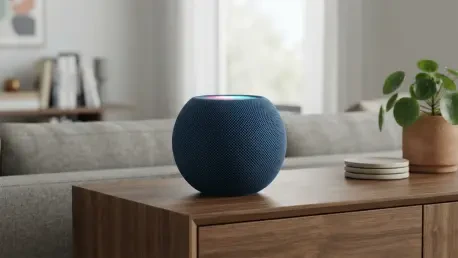

The integration of personal context allows Siri AI to find specific information across multiple apps, such as a recipe mentioned in an old email or a song from a text message. The release of the HomePod mini 2 signifies a fundamental shift in the domestic technological landscape, transforming a compact audio device into a highly intelligent nerve center for the modern household. Launched in October, this second-generation model represents the culmination of Apple’s multi-year effort to blend high-fidelity audio with generative intelligence. While the original version focused on accessibility and basic voice commands, the successor aims to redefine how users interact with their environments by leveraging advanced foundation models. By positioning the device as the primary interface for Apple Intelligence within the home, the company is bridging the gap between mobile utility and ambient computing. This transition is not merely a hardware refresh but a strategic pivot toward a world where technology anticipates needs through a deep understanding of the user’s digital life and physical surroundings.
Evolution of Conversational Computing
The Siri AI Revolution
The hallmark of the HomePod mini 2 is the debut of Siri AI, which utilizes sophisticated foundation models to provide a vastly more natural and intuitive user experience. Unlike the previous generation, this version of the digital assistant is capable of maintaining true conversational fluency, allowing for complex back-and-forth dialogue without the requirement of repetitive wake words. This development addresses one of the most significant pain points of early smart speakers: the rigid, syntax-dependent nature of voice commands. Users can now ask follow-up questions that build upon previous inquiries, as the system maintains a persistent understanding of the conversation’s context. This shift from simple command-response patterns to fluid interaction enables the device to handle nuanced requests that were once considered too complicated for a small-form-factor speaker. The resulting experience feels significantly more like communicating with a human assistant than a traditional electronic interface.
Furthermore, the intelligence driving this version of Siri is capable of processing information with a level of common-sense reasoning that was previously unattainable. This means the assistant can interpret vague instructions or correct itself in real time if it misunderstands a prompt. For instance, if a user changes their mind halfway through a request, Siri AI can pivot without needing to restart the interaction. This advancement is powered by the latest iteration of Apple Intelligence, which is optimized to run efficiently on the device’s internal hardware. By moving away from the “search and retrieve” methodology and toward a “reason and assist” framework, the HomePod mini 2 provides a more seamless integration into the daily flow of household life. This evolution ensures that the speaker remains a valuable tool for productivity and organization rather than just a convenient way to play music or check the weather.
Contextual Awareness and Multi-User Support
Beyond basic conversational improvements, the device excels at understanding the specific personal context of its users by synchronizing with the broader Apple ecosystem. When paired with an iPhone or iPad, the HomePod mini 2 can perform intricate cross-app tasks that require an understanding of the user’s personal data. This capability allows the speaker to bridge information silos, such as retrieving a specific date from a calendar invite mentioned in a messaging thread or locating a specific document shared in a collaboration app. This deep integration is facilitated by a secure data-sharing protocol that ensures the speaker has the necessary information to be helpful without compromising the security of the user’s personal accounts. This makes the assistant proactive, as it can provide reminders or suggestions based on the specific events and communications occurring across the user’s entire digital footprint.
Personalization is further enhanced by the speaker’s ability to distinguish between up to six different voices within a single household. This multi-user sophistication ensures that every individual receives a bespoke experience tailored to their unique preferences and accounts. When a specific person speaks, the device automatically adjusts its responses to reflect their personal calendar, private message threads, and individual music taste. This prevents the overlapping of data that often plagues shared smart devices, such as one person’s music history affecting another’s recommendations. Each family member can enjoy a private, personalized relationship with the device while it remains a shared asset for the home. This level of granular voice recognition is a critical component in making the smart home feel truly intelligent and responsive to the specific needs of its diverse inhabitants.
Hardware Innovations and Performance
The S10 Chip and Computational Audio
At the heart of the HomePod mini 2 resides the Apple S10 chip, a powerful processor that enables advanced computational audio capabilities previously reserved for much larger speaker systems. This chip is responsible for managing the complex algorithms that analyze audio signals in real time, adjusting the sound output to match the specific acoustic characteristics of the room. By driving a custom-engineered driver and a high-excursion woofer, the S10 chip creates a consistent and rich 360-degree soundscape that fills the space with clarity and depth. This means that no matter where the speaker is placed—whether in the corner of a room or on an open countertop—the audio quality remains balanced and immersive. The computational power of the S10 also allows for dynamic range adjustments, ensuring that low frequencies are punchy and highs are crisp, even when listening at very low volume levels.
In addition to traditional audio playback, the S10 chip manages the complex task of real-time vocal isolation and noise cancellation. This is particularly important for the speaker’s ability to hear voice commands over loud music or background noise such as vacuuming or conversation. The chip uses advanced signal processing to filter out interference, ensuring that the Siri AI can hear and respond to prompts with high accuracy. This hardware-driven approach to audio intelligence allows the HomePod mini 2 to punch well above its weight class, delivering a performance that rivals more expensive and physically larger competitors. The integration of the S10 chip highlights the company’s commitment to hardware-software vertical integration, where the physical components are specifically designed to maximize the potential of the underlying artificial intelligence.
Immersive Theater and Desktop Integration
The hardware capabilities of the HomePod mini 2 extend into the realm of home theater, offering a significant breakthrough for users seeking a cinema-like experience without complex setups. With the latest update, the speaker can be integrated into a four-speaker surround sound configuration when paired with a fourth-generation Apple TV 4K. This setup utilizes the S10 chip’s processing power to intelligently calibrate the timing and directionality of the audio based on the exact placement of each unit in the room. The result is a highly immersive sound field that precisely tracks on-screen action, providing a level of atmospheric detail that was previously difficult to achieve with small speakers. This modular approach allows users to start with a single device and expand their system over time, making high-end home audio more accessible and adaptable to different living spaces.
The device is also positioned as a premium desktop companion for Mac users, particularly those working in creative fields or participating in frequent video conferencing. Because it supports the latest wireless standards, the HomePod mini 2 can serve as the default audio output for a Mac with virtually no latency. This makes it an excellent choice for video editing, where precise audio timing is essential, as well as for gaming and FaceTime calls. The speaker’s ability to deliver clear, directional audio enhances the professional utility of a desktop setup, providing a much richer sound than built-in laptop speakers. This ecosystem synergy ensures that the device is not just a stationary kitchen or bedroom accessory but a versatile tool that enhances productivity and entertainment across multiple platforms and use cases.
Aesthetic and Interactive Enhancements
Sound Glow: A Visual Audio Experience
Apple has introduced the Sound Glow interface, a major visual update that replaces the static waveform of the original model with a dynamic, interactive top surface. This technology transforms the top of the speaker into a vibrant canvas of light that pulses and shifts in perfect synchronization with the rhythm and frequency of the audio being played. Rather than just indicating that the device is listening, the light animations now reflect the mood and energy of the music, providing a multisensory experience that enhances the overall atmosphere of a room. For example, a high-energy track will trigger fast-moving, bright patterns, while a slower, more melodic song will result in soft, flowing transitions. This visual feedback makes the device feel more alive and responsive to the content it is delivering, bridging the gap between sound and sight.
Furthermore, the Sound Glow system is designed to be contextually aware of the media being consumed. It can pull color data from the album artwork of the current track, creating a color-matched light show that complements the aesthetic of the music. This attention to detail extends to the device’s “ambient soundscapes,” where the lighting animations change to match sounds like falling rain, a crackling fireplace, or a forest at dawn. When a user activates one of these soothing backgrounds, the top surface might display the gentle, rhythmic patterns of raindrops or the warm, flickering glow of embers. This feature turns the HomePod mini 2 into a tool for environmental design, allowing users to alter the mood and feel of their living space through a combination of auditory and visual cues.
Modern Palette and Design Philosophy
While the iconic spherical silhouette remains a core part of the design, the HomePod mini 2 introduces a refreshed color palette that reflects contemporary home decor trends. Available in pink, green, blue, white, and midnight, the new finishes are designed to blend seamlessly into various interior styles while still providing a touch of personality. The mesh fabric that covers the device is not only acoustically transparent but also made from high-quality materials that are durable and easy to clean. This focus on industrial design ensures that the speaker is as much a piece of furniture as it is a piece of technology. The compact size allows it to be placed discreetly on shelves, bedside tables, or desks without occupying significant space, yet its striking appearance ensures it can also serve as a centerpiece if desired.
The design philosophy behind the HomePod mini 2 emphasizes accessibility and ease of use. The top touch surface remains the primary physical interface, allowing users to play, pause, skip tracks, or adjust the volume with simple gestures. However, the addition of Sound Glow means that even these basic interactions are now accompanied by intuitive visual cues that confirm the device has registered the input. The physical design also incorporates hidden microphones that are strategically placed to ensure optimal voice pickup from any angle. This combination of a minimalist aesthetic with high-functioning internal components exemplifies the modern approach to consumer electronics, where the complexity of the technology is hidden behind a simple and elegant exterior that encourages regular, effortless interaction.
Smart Home Integration and Safety
Unified Management and Ecosystem Hub
Serving as a Matter-enabled home hub, the HomePod mini 2 acts as the central brain for the modern connected home, allowing for the unified control of a wide variety of smart accessories. Through the integration with the Home app, users can create complex “Scenes” that coordinate the behavior of multiple devices simultaneously. For instance, a single voice command can initiate a morning routine that gradually raises the smart blinds, turns on the coffee maker, and provides a briefing on the day’s weather and traffic. This level of automation simplifies the management of a smart home by centralizing control in a device that is always listening and ready to assist. Because it supports the Matter standard, the speaker is compatible with a vast ecosystem of third-party products, ensuring that users are not locked into a single brand for their lighting, security, and climate control needs.
The speaker’s role as a hub also ensures that smart home automations run reliably and securely. By processing many of these requests locally, the HomePod mini 2 reduces latency and ensures that the home remains functional even if the external internet connection is interrupted. This local control is a critical feature for privacy-conscious users, as it means that the data associated with their home habits and routines does not need to be constantly uploaded to a cloud server. The device also facilitates remote access, allowing users to control their home accessories from anywhere in the world via their iPhone. This seamless transition between local and remote control provides peace of mind and convenience, making the HomePod mini 2 an indispensable tool for anyone looking to modernize their living environment through integrated technology.
Proactive Safety and Sound Recognition
Safety is a cornerstone of the HomePod mini 2’s feature set, with advanced sound recognition technology designed to provide an extra layer of security for the household. The device is capable of listening for the specific frequencies of smoke and carbon monoxide alarms, even if they are not “smart” alarms themselves. If the speaker detects one of these critical sounds, it immediately sends a notification to the user’s iPhone, Apple Watch, and iPad, regardless of where they are. This proactive approach to home safety can be life-saving, especially in situations where a resident might not be home or might be unable to hear the alarm. The user can then use the “drop in” feature to listen to the room through the speaker’s microphones or communicate with anyone inside to verify their safety and provide instructions.
The announcement also highlighted the “Apple Home Collection,” a series of integrated accessories such as video doorbells and security cameras that work in tandem with the HomePod’s intelligence. These devices can leverage the speaker’s facial recognition capabilities to announce exactly who is at the front door through a voice notification. For example, the HomePod might announce that a specific family member or a recognized delivery driver has arrived. This level of detail provides a more helpful and personalized security experience than traditional motion alerts. By integrating safety features directly into the primary home audio device, the company is making security a natural part of the smart home experience rather than a separate, complex system that requires its own dedicated hardware and management.
Privacy Standards and Global Availability
Private Cloud Compute and Data Integrity
To manage the significant privacy challenges associated with generative AI, Apple has implemented a tiered processing architecture for the HomePod mini 2. This system is designed to ensure that as much data as possible is handled locally on the device or a paired iPhone, preventing sensitive personal information from ever leaving the user’s control. For tasks that require more computational power than the local chip can provide, the system utilizes “Private Cloud Compute.” This innovative technology extends the industry-leading security of the iPhone into the cloud, creating a stateless environment where data is processed for a specific task and then immediately discarded. Crucially, this data is never stored on a server and is never accessible to Apple employees, ensuring a level of anonymity that is rare in the era of big-data AI.
This commitment to privacy is not just a philosophical stance but a technical reality baked into the hardware and software of the speaker. The Private Cloud Compute model uses verifiable transparency, allowing independent experts to inspect the code running on the servers to ensure it meets the claimed privacy standards. This approach addresses the growing consumer concern regarding how AI models use personal data for training or profiling. By ensuring that the “learning” happens in a way that respects the individual’s privacy, the HomePod mini 2 sets a new standard for the industry. Users can enjoy the benefits of a highly personalized and intelligent assistant without the fear that their private conversations or habits are being monetized or compromised by third parties.
Regional Considerations and Market Dynamics
Despite the broad technological advancements, the global rollout of the HomePod mini 2’s AI features is shaped by a complex landscape of international regulations and digital standards. Most notably, the full suite of Siri AI capabilities will not be available in the European Union at launch due to ongoing regulatory considerations. This situation highlights the friction between the rapid pace of AI development and the protective frameworks of regional governments. For users in these regions, the device will still function as a high-quality smart speaker and home hub, but the more advanced generative features will remain dormant until legal and technical requirements are satisfied. This phased approach to global deployment is becoming increasingly common as technology companies navigate the diverse legal requirements of different markets.
Initial support for the new intelligence features is focused on English-speaking markets, with a planned rollout for the United States, Australia, Canada, India, and the United Kingdom. This linguistic focus is necessary due to the immense amount of data and fine-tuning required to make foundation models perform accurately across different dialects and cultural contexts. However, the company has indicated that support for additional languages and regions will be added through software updates as the technology matures. This strategy ensures that when the features do arrive in new markets, they are polished and capable of meeting the high expectations of the user base. The HomePod mini 2 thus represents a platform that will continue to grow and evolve, becoming more capable and more widely accessible in the years following its initial release.
Sustainable Manufacturing and Market Entry
Environmental Stewardship and Materials
The production of the HomePod mini 2 is a significant step toward the “Apple 2030” goal of achieving carbon neutrality across the entire business lifecycle. This commitment is reflected in the extensive use of recycled materials throughout the device’s construction. All magnets within the speaker utilize 100 percent recycled rare earth elements, and the printed circuit boards are manufactured using recycled gold plating and tin solder. By prioritizing the use of reclaimed materials, the company is significantly reducing the environmental impact of mining and processing new resources. This approach also extends to the device’s external components, with the mesh fabric and internal plastic structures incorporating post-consumer recycled content without compromising the premium feel or durability of the product.
In addition to the materials used, the device is designed to meet strict energy-efficiency standards to minimize its carbon footprint during daily use. The S10 chip is optimized for high performance with low power consumption, ensuring that the speaker does not draw unnecessary electricity while on standby or during active playback. The packaging is also a key part of the sustainability strategy, being 100 percent fiber-based and designed to eliminate the need for plastic wrap or foam inserts. This move facilitates easier recycling for the consumer and reduces the volume of waste generated by the product’s distribution. These efforts demonstrate that high-end consumer technology can be developed in a way that is compatible with long-term environmental responsibility, setting a precedent for the rest of the industry to follow.
Consumer Logistics and Future Implications
The HomePod mini 2 arrived at a competitive price point of $149, positioning it as an attractive option for those looking to enter the Apple Intelligence ecosystem without the high cost of flagship audio hardware. For consumers, the next steps involved ensuring their existing mobile devices were compatible with the latest version of Apple Intelligence, as a paired iPhone or iPad was required to unlock the speaker’s full potential for personal context and cross-app tasks. Many users chose to upgrade their primary devices in conjunction with the speaker’s release to take full advantage of the new conversational features. Retail availability followed shortly after the mid-October announcement, with the device quickly becoming a popular gift and household addition during the late-year shopping season.
Looking forward, the successful deployment of the HomePod mini 2 provided a roadmap for how ambient intelligence could be integrated into daily life. It shifted the perspective from technology being something users actively “use” to something that exists in the background, ready to assist when needed. Organizations and developers began to focus more heavily on how their applications could provide data to Siri AI, ensuring their services remained relevant in a voice-first, context-aware environment. This release ultimately proved that the future of the smart home was not about having more gadgets, but about having a centralized, intelligent presence that could make sense of the existing digital ecosystem. The transition to generative AI in the home proved to be a defining moment for consumer electronics, setting the stage for even deeper integration between human life and artificial intelligence.