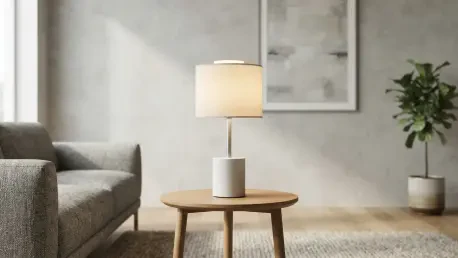

The S2 provides a versatile RGB color spectrum alongside its adjustable white light, making it a comprehensive solution for customized residential mood lighting. The transition from static illumination to dynamic, responsive environments has become a hallmark of high-end architectural design in 2026. This evolution acknowledges that lighting is not merely a utility but a critical component of wellness and productivity within the domestic sphere. By integrating advanced semiconductor technology, this lamp offers a level of precision that was previously reserved for professional-grade studio equipment. It allows residents to curate specific atmospheres, ranging from the invigorating brightness of a gallery to the subdued, warm intimacy of a library. The reliance on high-quality light sources has effectively transformed the way individuals interact with their living spaces, encouraging a more thoughtful approach to interior styling and design. Consequently, the device serves as an anchor for the modern smart home, blending the boundaries between art and functional technology.
Connectivity Standards: The Role of Matter Over Thread
The implementation of Matter over Thread represents a significant milestone in the ongoing quest for universal interoperability across diverse smart home ecosystems. By adopting this open standard, the hardware facilitates direct communication with major platforms such as Apple Home, Amazon Alexa, and Google Home. This eliminates the historical frustration of being locked into a single manufacturer’s infrastructure, allowing users to mix devices based on performance rather than brand compatibility. The Thread protocol specifically provides a robust, low-power mesh network that enhances the reliability of the connection, ensuring that commands are executed with minimal latency. Unlike traditional Wi-Fi-based bulbs that can congest a home network, Thread devices create a self-healing system that becomes stronger as more nodes are added. This choice reflects a sophisticated understanding of the modern digital home, where stability is paramount for a satisfying user experience in an increasingly crowded wireless spectrum.
While basic controls are managed through the unified Matter interface, the full potential of the lamp is realized through more specialized software integrations. Standard smart home applications provide access to power and basic color selection, but the intricate lighting effects and the proprietary “Yeelight Lab” modes typically require a direct Bluetooth connection to a dedicated mobile app. This dual-layered control system ensures that even if the primary home network experiences an outage, manual and local controls remain fully operational. Users must also consider the hardware requirements for the Thread network, which necessitates a compatible border router like a HomePod mini or a modern Apple TV to function at peak efficiency. This infrastructure allows for advanced features like music-reactive modes and over 70 pre-programmed lighting scenes, which significantly expand the lamp’s utility beyond simple illumination into the realm of interactive art and personalized environment management.
Operational Versatility: Power Management and Hardware Design
Constructed with a focus on minimalist elegance, the physical design of the lamp emphasizes smooth curves and a high-quality finish that complements various decor styles. The unit features five tactile buttons located on the top surface, providing an immediate and intuitive way to manage settings without searching for a smartphone or using voice commands. This commitment to physical usability is supported by a substantial 4,000mAh internal battery, which offers approximately 6.5 hours of continuous operation at a sixty percent brightness level. This rechargeable capacity enables the lamp to be moved easily from a dedicated charging station to a dining table or a balcony for an evening, provided the environment remains dry. The cordless nature of the device removes the visual clutter of dangling wires, allowing the clean lines of the furniture and the architecture to remain the primary focus. This balance of portability and power distinguishes the unit from traditional stationary table lamps.
Despite its portable nature, the hardware is engineered specifically for indoor environments, with a focus on maintaining the integrity of the light diffusion system. The 360-degree light output is designed to wash walls and surfaces with color, rather than providing the sharp, concentrated beam required for task-heavy activities like detailed drafting or sewing. This makes the device an ideal candidate for accent lighting, where the goal is to soften the corners of a room or provide a gentle guide during the night. The internal electronics are shielded to ensure longevity, though the lack of a formal moisture resistance rating means users should avoid placing it in bathrooms or near open windows during inclement weather. Priced at a competitive level, often fluctuating between sixty and seventy dollars, the lamp represents a strategic investment for those who value the intersection of aesthetic design and technological convenience. It offers a level of refinement that bridges the gap between consumer electronics and luxury accessories.
Strategic Implementation: Enhancing Residential Ambiance
The successful deployment of the Yeelight S2 demonstrates how standardized protocols like Matter can effectively bridge the gap between diverse hardware manufacturers and user expectations. Homeowners who integrated this technology into their daily routines discovered that the flexibility of a rechargeable, high-fidelity light source significantly improved their ability to adapt spaces for various social activities. For those seeking to replicate this success, the first step involved ensuring that a compatible Thread Border Router was already present within the home network to unlock the full potential of the mesh connectivity. It was also beneficial to explore the specialized lighting scenes within the native application to truly appreciate the depth of the RGB spectrum and its impact on room mood. As the market for smart decor continues to evolve, prioritizing devices with local control and open standards proves to be a wise strategy for maintaining a resilient and adaptable living environment. Future upgrades focused on maintaining this interoperability.