
The traditional paradigm of navigating through a grid of colorful icons is rapidly fading as mobile computing transitions toward an era defined by anticipatory software and seamless artificial intelligence. With the upcoming reveal of iOS 27 at the Worldwide Developers Conference in June 2026, Apple is signaling a departure from the manual, touch-heavy interactions that have characterized the smartphone experience since its inception. Instead of requiring users to hunt for specific tools within fragmented applications, this new operating system introduces a unified environment where Apple Intelligence serves as the primary navigation layer. This shift represents a fundamental pivot toward an ecosystem that prioritizes user intent and automates complex, multi-step workflows without constant manual input. By embedding cognitive capabilities into the core of the software, the developer intends to transform the iPhone from a passive utility into a proactive digital partner that understands the context of every interaction in real-time. This transformation sets a high bar for the industry as it moves away from simple generative tools toward a cohesive, intent-driven digital landscape that adapts to the specific habits of every individual user.
Evolution of Siri and Creative Intelligence
At the heart of this transformation is a complete reimagining of Siri, turning it into a sophisticated AI entity with full on-screen awareness. This new iteration goes beyond simple voice commands, allowing the assistant to see what the user sees and interact with content across different apps in real-time. Whether it is pulling details from an email to generate a digital wallet pass or maintaining a fluid, conversational dialogue, Siri is expected to become a proactive partner that leverages both local privacy-focused processing and potential high-level partnerships with external AI models. The intelligence system is built to learn from individual habits over time, refining its predictive capabilities to offer suggestions that are uniquely tailored to the specific needs of the user. Consequently, the interaction model shifts from a reactive one to a proactive one, where the software anticipates the next required step before a command is issued. This balance of privacy and performance allows for a more personalized experience that does not compromise the security standards users have come to expect.
Beyond the voice assistant, iOS 27 introduces upgrades to creative features like Genmoji and Image Playground, offering refined visual outputs and personalized styling. The writing tools are also undergoing a massive overhaul, moving from basic grammar checks to sophisticated structural rewrites and tone adjustments that adapt to an individual’s specific communication style. This shift positions the iPhone as a comprehensive digital editor capable of generating custom wallpapers and content through simple prompts. By integrating these capabilities into the keyboard and various text fields, the developer ensures that the benefits of Apple Intelligence are always available regardless of the application in use. This continuous support loop helps users communicate more effectively while reducing the cognitive load associated with drafting complex documents on a mobile device. This evolution highlights a broader strategy to make advanced language processing a standard utility, fostering a digital environment where the software assists in every stage of content creation, from initial ideation to the final professional polish.
Design Sophistication and Hardware Integration
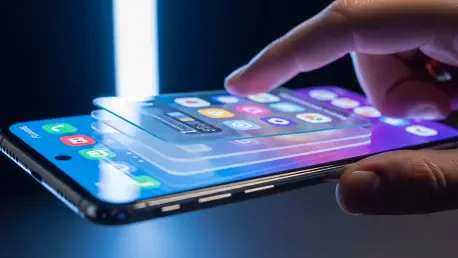
Visually, the software will continue to refine the Liquid Glass aesthetic, emphasizing translucency, depth, and fluid motion to keep the interface modern yet familiar. The focus shifts toward functional customization, allowing power users to have unprecedented control over widget layouts and lock screen shortcuts. Core applications are receiving significant functional boosts to streamline daily tasks through automated workflows. The Camera app now offers more flexible widget controls for photography enthusiasts, while the Weather app introduces a streamlined Conditions panel to manage complex data without cluttering the screen. Additionally, a new Create a Pass feature in the Wallet app allows users to digitize physical membership cards and tickets through optical scanning, further consolidating daily essentials into a single digital hub. These targeted enhancements demonstrate a commitment to improving utility by applying advanced machine learning to solve specific, real-world pain points for the user base, ensuring that the interface remains both powerful and intuitive.
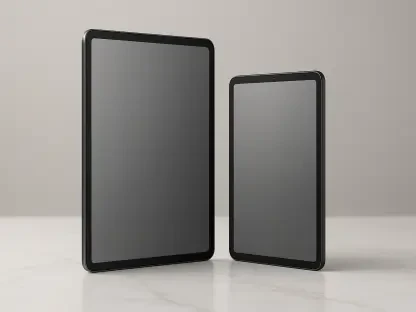
To support these advanced capabilities, the company is narrowing its hardware compatibility, likely phasing out older models like the iPhone 11 and second-generation iPhone SE. This ensures that the most demanding Apple Intelligence features run smoothly on newer chips found in the iPhone 15 Pro and beyond. The rollout of iOS 27 will follow an established annual cycle, beginning with a major keynote presentation in June 2026. Following the initial developer beta, a public testing phase will open in mid-summer, with the final version scheduled for a wide release in September 2026. This launch coincides with the next generation of iPhone hardware to usher in a more automated and context-aware era of mobile computing. The operating system is also being built with future adaptive layouts and enhanced multitasking features designed specifically for flexible display configurations. This forward-looking architecture ensures that the software can scale effectively across different screen sizes, maintaining a consistent experience as the physical design of the iPhone continues to evolve.
Strategic Assessment and Future Implications
Reflecting on the shifts introduced during this cycle, it became clear that the move toward an AI-centric architecture was a necessary step in the evolution of the smartphone. Developers who prioritized the integration of intent-based workflows saw the highest engagement levels, as users quickly moved away from traditional app-switching in favor of streamlined, Siri-led interactions. This transition required a significant reassessment of how software should handle personal data, yet the focus on local processing successfully maintained consumer trust throughout the deployment phase. Organizations that invested in optimizing their digital assets for these new creative tools found themselves at a distinct advantage, as the bar for professional communication was raised across the board. The launch effectively signaled the end of the manual era, pushing the industry to reconsider how hardware and software must collaborate to support more demanding cognitive tasks. Ultimately, the transition focused on empowering the user to do more with less effort, setting a new benchmark for mobile experiences.
Looking forward, users and developers must prioritize the optimization of their digital workflows to remain competitive in this AI-first environment. For developers, the next logical step involved deep-linking every app function to the Apple Intelligence intent engine, ensuring that their services remained discoverable through Siri’s on-screen awareness. Users were encouraged to audit their hardware compatibility early, as the transition to iOS 27 required modern silicon to handle the local processing demands of generative features. Furthermore, organizations that adopted these new writing and creative tools early found they could produce high-quality content with a fraction of the traditional effort. The shift also necessitated a new approach to digital literacy, where understanding how to prompt and collaborate with system-level AI became a core skill. As the ecosystem continued to evolve, the focus remained on refining the interaction between human intent and machine execution, solidifying the iPhone’s role as an essential cognitive tool in a connected world.