
Operating within a temperature threshold of 40°C, these indoor-rated lighting solutions are specifically designed for use in air-conditioned lounges and bedrooms. As modern living spaces in 2026 continue to evolve, the integration of smart technology has shifted from a luxury novelty to a standard expectation for comfort and convenience. The Meross 5m RGBWW LED Light Strip has emerged as a cornerstone for those seeking to refine their home ambiance without the burden of permanent electrical modifications. Unlike the elementary LED strips of the past, this model incorporates sophisticated RGBWW technology, which introduces dedicated white light diodes alongside the traditional color spectrum. This allows for a precise transition between vibrant decorative hues and functional white light, ranging from a cozy 2800K to a productive 7000K. By addressing both the aesthetic and practical needs of a household, the device provides a versatile platform for personalizing interior environments while adhering to the specific climate demands of high-temperature regions.
Seamless Integration and Installation
Digital Foundation: Technical Infrastructure
The technical foundation of the Meross system is built upon a direct-to-network architecture that eliminates the need for expensive or cumbersome third-party hubs. By connecting directly to a standard 2.4GHz Wi-Fi frequency, the light strip ensures a low-latency response time that is essential for a seamless user experience in a modern smart home. This architectural choice is particularly beneficial for those just beginning their automation journey, as it reduces the initial hardware investment and simplifies the troubleshooting process. Furthermore, the installation process is designed to be intuitive, requiring only a stable internet connection and a compatible smartphone. This accessibility does not come at the cost of power, as the five-meter length provides sufficient coverage for expansive architectural features such as crown molding or recessed shelving. The ability to manage the device through a central application provides a unified interface for adjusting brightness and saturation levels across the entire length.
Smart Ecosystems: Integration and Control
Beyond its standalone capabilities, the lighting system offers extensive cross-platform compatibility with major smart home ecosystems including Apple HomeKit, Amazon Alexa, and Samsung SmartThings. This interoperability allows the light strip to function as a responsive component within a larger automated network, reacting to triggers from motion sensors or smart locks. For instance, a user can configure a routine where the lights automatically transition to a soft amber hue when the smart door lock is engaged in the evening. The inclusion of Siri, Alexa, and Google Assistant support facilitates hands-free operation, which is invaluable in multi-tasking environments like kitchens or home offices. By leveraging these established digital assistants, users can create complex lighting scenes that reflect their daily habits and preferences. This level of integration ensures that the hardware remains relevant even as software ecosystems continue to advance, providing a future-proof solution for lighting management.
Practical Applications and Environment
Ambient Utility: Enhancing Living Spaces
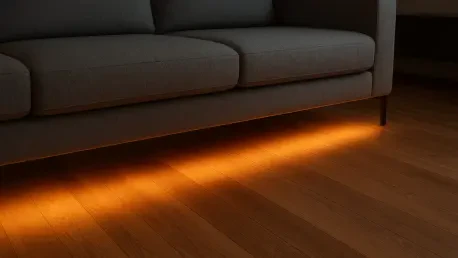
The practical utility of the RGBWW strip is most evident when it is utilized as a secondary lighting layer to add depth and visual interest to a room. In dedicated media centers, the strip serves as an effective source of bias lighting, which projects a soft glow onto the wall behind a television screen to reduce perceived glare. This technique not only enhances the contrast of the on-screen image but also significantly reduces eye fatigue during extended viewing sessions. Similarly, in a workspace environment, the ability to switch to a crisp 7000K cool white light helps maintain focus and alertness during daylight hours. As the day progresses, transitioning to warmer tones can signal the body to begin winding down, effectively supporting the natural circadian rhythm. The scheduling features built into the Meross app allow these transitions to occur automatically, ensuring that the lighting environment is always optimized for the current activity without requiring manual intervention.
Thermal Management: Environmental Constraints
Physical adaptability is a hallmark of this lighting solution, as the five-meter strip features clearly marked intervals where it can be cut to fit specific dimensions. This allows for precise placement along the edges of desks, headboards, or kitchen cabinets, creating a tailored look that mimics professional custom installations. However, the effectiveness of the adhesive backing is dependent on the preparation of the mounting surface, which must be thoroughly cleaned and dried before application. Strategic planning is also required to ensure that the strip remains within reach of a power outlet and maintains a strong connection to the Wi-Fi router. In warmer climates, such as the United Arab Emirates, users must be mindful of the 40°C thermal limit to prevent heat-related degradation of the LED components. Keeping the strip in ventilated areas or air-conditioned rooms ensures that the adhesive remains secure and the internal circuitry operates at peak efficiency over its intended lifespan.
Strategic Implementation: Insights for Modern Living
The implementation of Meross smart lighting provided a clear pathway for homeowners to modernize their interiors with minimal effort and high impact. By successfully bridging the gap between decorative accents and functional task lighting, these strips offered a level of flexibility that was previously reserved for high-end professional systems. Users who adopted this technology found that the combination of dedicated white LEDs and traditional color diodes allowed for a more nuanced control of their living spaces. Moving forward, the most effective strategy for expanding a smart home involved integrating these light strips into broader automated routines that prioritized energy efficiency and personal wellness. It became evident that selecting hardware compatible with multiple ecosystems was the most reliable way to ensure long-term utility and ease of use. For those looking to refine their setup, focusing on optimal placement and thermal management served as the best approach to maximize the lifespan and performance of their smart lighting investments.