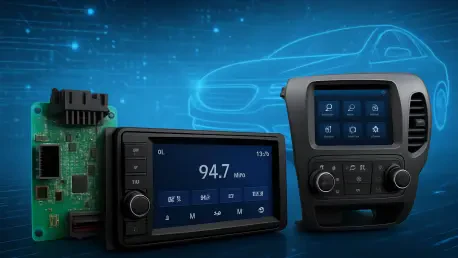

Metra is tackling memory lag and background processing issues by intentionally omitting streaming services like YouTube from its new Aküstik head units. This strategic pivot reflects a broader industry realization that while consumers demand modern connectivity, they value operational stability above all else within the dashboard environment. By stripping away resource-heavy background tasks and bloatware, the brand ensures that the core functionalities—navigation, communication, and music—remain exceptionally responsive under all driving conditions. These new Aküstik models arrive in various configurations, including 9-inch and 10-inch displays, alongside a versatile single-DIN float mount option designed for a wide range of vehicles. A massive 12.3-inch version is currently undergoing evaluation to determine if there is sufficient market appetite for such a large interface. This performance-first mindset highlights a departure from the “tablet-in-the-dash” philosophy, prioritizing a smooth, lag-free user experience.
Engineering Simplicity: The Evolution of Plug-and-Play Interfaces
Beyond the internal software, the physical integration of these units represents a significant leap forward in reducing labor for professional installers and hobbyists alike. The latest strategy utilizes advanced interfaces that plug directly into the radio chassis using standardized ISO connectors, effectively ending the era of tedious manual wire crimping and complex splicing. This direct-connection architecture not only minimizes the potential for human error but also drastically shortens the time required to complete a full head unit swap. By streamlining the harness assembly process, Metra allows technicians to focus more on the aesthetic and acoustic aspects of the installation rather than troubleshooting electrical connections. Such a shift is essential as vehicle electrical systems become more complex, requiring cleaner and more reliable points of contact to maintain the integrity of the factory wiring. This methodology sets a new benchmark for modern aftermarket efficiency.
To complement the simplified wiring, the integration of vehicle-specific data remains a cornerstone of the modern installation package. Dealers can now select between standard interfaces that retain basic HVAC and personalization settings or move up to the sophisticated Axxess versions. These high-tier interfaces provide a deeper level of connectivity, allowing the new head unit to display real-time vehicle gauges, tire pressure monitoring data, and even obstacle detection from parking sensors. This level of technical depth is supported by a new wave of 26 vehicle-specific dash kits, such as the precision-engineered setup for the 2024 Honda Civic. By providing a seamless aesthetic match for the original interior materials, these kits ensure that the upgraded electronics do not look out of place. The focus here is on maintaining the original manufacturer’s design language while providing the driver with modern tools that were previously unavailable in their specific trim.
Expanding Performance Capabilities: The Specialized Audio Architectures
For the enthusiast seeking peak performance, the Proscenium radio line introduces a patented, remote-mounted chassis architecture that fundamentally changes how hardware is housed. By integrating the interface directly within the radio unit itself, the design eliminates external clutter and simplifies the overall footprint within the dashboard. This series is purpose-built for power users, offering five discrete camera inputs to provide a full 360-degree view of the surroundings, which is particularly useful for larger vehicles. Furthermore, the inclusion of programmable lighting controls for RGB systems and a dedicated HDMI input for external streaming hardware gives the user total control over their environment without compromising the stability of the base operating system. Initial vehicle-specific kits for the Proscenium line target high-volume models like the Jeep Wrangler and the Ford F-150, ensuring that the most popular platforms on the road benefit from this cutting-edge approach.
Moving forward, the focus expands beyond the head unit to include comprehensive audio environments, such as pre-tuned upgrade kits for the Chevrolet Silverado and Ford Bronco. These systems are designed to address the unique acoustic challenges of specific vehicle cabins, offering a turnkey solution for high-quality sound. Additionally, the release of retention interfaces for Audi and Volkswagen models equipped with MOST150 systems solves longstanding hurdles in modernizing luxury vehicle electronics. Retailers expect these hardware solutions to begin shipping between late December and early January. To maximize the benefits of these advancements, technicians should prioritize training on the new ISO-direct architectures to increase their shop throughput. As the industry moves toward 2027 and 2028, the ability to merge sophisticated digital displays with complex vehicle data networks defines the leaders in the aftermarket space. Adopting these streamlined integration tools now ensures long-term compatibility.