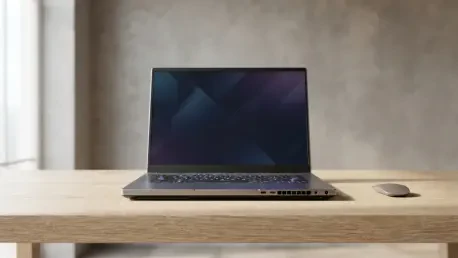

The boundary between professional workstation capability and immersive gaming performance has dissolved, leaving users with a demand for hardware that masters both realms without compromise. Standard 60Hz displays are rapidly becoming obsolete as Dell moves toward a minimum 120Hz refresh rate across its entire high-performance laptop portfolio. This shift reflects a broader market trend in 2026 where visual fluidity is no longer viewed as a luxury feature for elite esports competitors but as a fundamental requirement for anyone engaging with modern software environments. By integrating next-generation Intel Core and AMD Ryzen processors alongside NVIDIA RTX graphics, the company has cultivated a lineup that caters to everyone from casual enthusiasts to competitive professionals. The central theme of this evolution revolves around the synergy between raw processing power, thermal efficiency, and visual fidelity. As gaming titles and creative applications become increasingly resource-heavy, a balanced configuration featuring at least 16 GB of RAM and fast NVMe SSD storage has established itself as the baseline requirement for a seamless user experience.
A critical aspect of this success is a distinct two-tier branding strategy, which allows for the capture of a broad market share by addressing disparate price points and performance expectations simultaneously. The G-Series, particularly the G15 models, serves as an accessible entry point into high-end gaming by focusing on sturdy builds and reliable 1080p performance that appeals to students and mainstream users. Meanwhile, the Alienware line represents the pinnacle of engineering, offering innovations such as 2.5K resolution displays and advanced thermal materials like Element 31. This dual approach ensures that whether a user is a student managing a strict budget or a professional video editor requiring massive throughput, there is a specific configuration tailored to their performance ceiling. By democratizing high-refresh-rate screens and robust cooling, the distinction between “entry-level” and “enthusiast” has become more about the ceiling of the hardware rather than a lack of essential features, creating a more inclusive ecosystem for high-performance computing.
Strategic Hardware Integration and Performance
Advanced Processing Power and Graphics
The primary engine driving these laptops is the latest silicon from Intel and AMD, designed to handle complex game logic and intensive background applications with equal precision. Intel Core i5 and i7 13th Gen processors have been lauded for their multitasking capabilities, utilizing a hybrid architecture that assigns background tasks to efficiency cores while keeping performance cores free for heavy lifting. This is particularly evident in the Alienware 16 Aurora, which offers an Intel Core 7 processor with an increased core count to facilitate heavy projects such as real-time video rendering or complex software compilation. For those who prioritize power efficiency and thermal management in a compact chassis, the AMD Ryzen 7 variants provide a balanced alternative that maintains high-speed performance without generating the excessive heat often associated with high-clock-speed chips. This processing diversity allows users to select a machine that aligns perfectly with their specific software stack and thermal preferences.
The transition in graphical capability is prominently marked by the move from the legacy RTX 3050 to the significantly more advanced RTX 5050 series. While the RTX 3050 remains a capable powerhouse for standard 1080p gaming on high settings, the RTX 5050 with 8GB of dedicated memory has emerged as the superior choice for modern titles requiring advanced ray-tracing and high frame rates. This leap in GPU technology ensures that users can enjoy the latest AAA titles with stunning visual clarity and fluid movement, regardless of the complexity of the lighting or particle effects involved. The extra VRAM is especially critical for 2026-era gaming, where high-resolution textures and AI-driven upscaling technologies demand more dedicated memory to avoid stuttering. By offering these GPUs across various price points, the hardware ensures that professional-grade graphical fidelity is accessible to a wider audience than ever before, effectively future-proofing these machines against the next wave of software demands.
Next-Gen Cooling and Display Standards
A recurring theme across the modern lineup is the critical importance of thermal management, with a clear move toward sophisticated Dual Air Intake systems and high-conductivity copper heat pipes. In higher-end models, the implementation of vapor chambers represents a significant trend in mobile engineering, allowing heat to spread over a much larger surface area for more efficient dissipation than traditional heat pipes could achieve. This advanced thermal management is not merely about comfort; it is a vital performance feature that prevents thermal throttling, ensuring that internal components can maintain peak clock speeds during long, intense gaming sessions or while executing hardware-heavy professional tasks. The integration of specialized thermal materials, such as the proprietary Element 31 interface, further bridges the gap between the silicon and the cooling solution, maximizing the heat transfer rate and allowing for thinner chassis designs without sacrificing internal power.
On the visual front, the move toward higher display frequencies has redefined the standard user experience across all product tiers. With every modern Dell gaming model now featuring at least a 120Hz panel, the era of screen tearing and input lag on budget machines has effectively ended. The advancement toward 165Hz screens in the Alienware models provides a tangible advantage in fast-paced competitive shooters where every millisecond of frame delivery counts toward victory. Beyond simple speed, the inclusion of ComfortView Plus technology and high-quality anti-glare coatings highlights a significant focus on user health and ergonomics. These features work in tandem to reduce harmful blue light emissions and minimize reflections, which is essential for professionals and gamers who spend several consecutive hours in front of their screens. This holistic approach to display technology ensures that the hardware is not only fast but also comfortable and sustainable for long-term daily use.
Detailed Model Analysis and Use Cases
Comparing G-Series and Alienware Models
The Dell G15 5520 has solidified its position as a balanced all-rounder, offering a specific blend of components that makes it the go-to choice for reliable 1080p gaming. By utilizing an Intel Core i5 and an RTX 3050, this model provides enough power for most mainstream titles while addressing modern storage needs with a spacious 1TB SSD. Its 120Hz refresh rate ensures that even everyday productivity tasks, such as scrolling through large datasets or editing photos, feel significantly more fluid than on traditional office laptops. While its battery life remains a point of consideration, requiring the high-wattage power adapter for peak performance, its price-to-performance ratio makes it an ideal candidate for users who need a dependable machine that can transition between a lecture hall and a gaming den. The chassis design prioritizes durability, ensuring that internal components are well-protected during transit, which remains a key factor for the mobile user base.
In contrast, the Alienware 16 Aurora is preferred by professionals who require a machine that functions as a legitimate desktop replacement. Positioned as a premium option, this model justifies its investment through a stunning 2.5K display and a 16:10 aspect ratio that provides essential extra vertical space for coding, video editing timelines, and complex spreadsheets. It features specialized Cryo-Tech cooling to manage the thermal output of its Intel Core 7 processor and frequently includes pre-installed productivity suites like Microsoft Office 2024. This makes it a true hybrid machine, capable of handling high-end gaming at night and professional software development during the day. For competitive gamers who focus on high-frequency titles like Valorant, the Alienware 15 AMD Edition offers a 165Hz refresh rate specifically designed to eliminate motion blur. Equipped with an RTX 5050, it stands as a future-proof option in terms of graphical fidelity, offering the low-latency response times required for top-tier competitive play.
Evolution of the Multitasking Workhorse
The Dell G15 5530 series represents the most recent evolution of the G-Series, successfully incorporating 13th Gen Intel processors and Alienware-inspired thermal designs into a more accessible package. These models utilize specialized thermal interface materials to maintain high performance for longer durations, catering to users who need a machine that can handle both heavy gaming sessions and academic workloads involving CAD or data analysis software. With 1TB and 512GB variants available, these laptops offer flexibility in storage while maintaining aesthetic customization through 4-zone RGB lighting. This level of personalization allows users to adapt the look of their machine to their environment, whether they prefer a subtle backlight for a professional setting or a vibrant display for their gaming setup. The inclusion of these high-end features in the G-Series highlights a commitment to providing quality hardware without the premium price tag of enthusiast-tier branding.
User feedback consistently highlights the sturdiness and build quality of these machines, though their physical bulk is often noted as a necessary trade-off for such robust cooling systems. A consensus among the user community is that while these are technically portable devices, peak performance levels are only achievable when connected to their respective high-wattage power adapters. The limited battery life, which typically ranges from 2 to 5 hours depending on the intensity of the task, reflects a broader industry trend where high-end power consumption often outpaces current battery technology. However, for most users, the trade-off for desktop-level performance in a foldable form factor is well worth the requirement of staying near a power outlet. This design philosophy emphasizes reliability and sustained performance over extreme portability, ensuring that the laptop remains a high-performance tool rather than a compromised mobile device that throttles under pressure.
Final Hardware Synthesis and Recommendations
Core Specifications and Market Findings
Technical specifications of the current lineup demonstrate that 16GB of RAM has become the essential sweet spot for running Windows 11 alongside modern gaming titles or creative software. Most models in the Dell and Alienware families continue to offer two physical memory slots, allowing for an easy upgrade to 32GB or more, which ensures hardware longevity as software requirements continue to expand. Furthermore, there is a clear strategic move toward integrated Wi-Fi 6 and Gigabit Ethernet connectivity across the entire portfolio. This focus on networking ensures the low-latency environments required by the online multiplayer demographic and the high-speed data transfers needed by professionals working with cloud-based assets. By prioritizing these often-overlooked specs, the hardware provides a stable foundation for both entertainment and high-stakes professional work, preventing the bottlenecks that often plague lesser machines during peak usage.
The analysis of the current market landscape reveals that the strategy of diversification has effectively eliminated the need for a one-size-fits-all approach to laptop purchasing. For the value-oriented gamer, the G15 series offers the most compelling price-to-performance ratio for standard 1080p gaming and general academic use. Creative professionals, on the other hand, find the Alienware 16 Aurora to be the undisputed leader due to its superior screen real estate and high-tier processing power. Competitive enthusiasts will find the high-refresh-rate screen and RTX 5050 GPU of the Alienware 15 indispensable for maintaining an edge in fast-paced environments. This specialized approach allows consumers to invest in the features that matter most to their specific use cases, rather than paying for unnecessary overhead. As a result, the current ecosystem provides a comprehensive set of tools that can meet the demands of almost any high-performance computing scenario.
Strategic Upgrades and Future Considerations
Selecting the right hardware in the current environment requires a careful assessment of long-term needs versus immediate budgetary constraints. The transition toward high-refresh-rate displays and advanced cooling solutions represents a significant step forward in the industry, ensuring that even entry-level models can handle sustained workloads without failure. It was observed that users who prioritized storage capacity often found the 1TB models to be the most practical choice, especially given the massive installation sizes of modern software suites and game libraries. For those looking to maximize their investment, choosing a model with an RTX 50-series GPU provides a level of graphical headroom that makes the hardware relevant for several years of upcoming software releases. The emphasis on user-upgradable components like RAM and storage also provides a path for extending the life of the machine as performance requirements evolve over time.
In retrospect, the integration of Alienware-tier cooling technology into the mainstream G-Series redefined what users could expect from mid-range gaming laptops. This maneuver forced a broader market shift toward better thermal management and more durable chassis designs across the industry. Those who invested in the higher-end Alienware models benefited from the absolute cutting edge of display and material science, confirming that the premium price point was justified by tangible gains in professional productivity and gaming immersion. Moving forward, the focus should remain on maintaining this balance between raw power and efficient heat dissipation, as the software landscape shows no signs of slowing its demand for hardware resources. The success of this diverse lineup proved that by offering specialized configurations, a single manufacturer could effectively serve the entire spectrum of high-performance laptop users.