
Modern gadget design emphasizes materials like matte finishes and tempered glass to ensure technology blends into decor rather than appearing as an eyesore. As metropolitan centers continue to attract a workforce that prioritizes location over square footage, the standard for a luxury apartment has evolved significantly in 2026. No longer is luxury defined solely by the breadth of a floor plan; instead, it is measured by the intelligence and responsiveness of the living environment. The challenge for today’s urbanite is to maintain a high quality of life within compact spaces that often lack the infrastructure for traditional home upgrades. This demographic shift has catalyzed a revolution in consumer electronics, moving toward gadgets that offer seamless efficiency and frictionless utility. By focusing on devices that require zero structural modification, residents are transforming sterile, cramped rentals into highly personalized and efficient sanctuaries. This shift highlights a broader societal move toward minimalist, tech-integrated living where every square inch is optimized for both productivity and psychological well-being, ensuring that the constraints of physical space do not limit the potential for a sophisticated lifestyle.
The Philosophy: Democratizing the Smart Home
Rental Flexibility: The Rise of Plug-and-Play
In the current landscape of 2026, the democratization of home automation has shifted the focus from permanent installations to versatile, portable solutions that cater specifically to the needs of those living in rental properties. For years, the concept of a smart home was synonymous with expensive, built-in systems that required extensive wiring and the explicit permission of a landlord, which effectively excluded a vast portion of the population from experiencing the benefits of a connected environment. However, the market is now saturated with high-performance, plug-and-play devices that offer a high level of sophistication without the need for a single drill hole. This change represents a significant victory for apartment dwellers who previously had to choose between technological convenience and the security of their security deposits. By prioritizing battery-powered or socket-based connectivity, manufacturers have ensured that advanced home management tools are no longer a permanent fixture of the building but a portable asset of the individual.
The movement toward non-invasive technology is further supported by the philosophy of space conservation and dual-functionality. Every item introduced into a compact apartment must justify its presence by offering more than one benefit or by occupying a footprint so small it becomes effectively invisible. This design ethos is reflected in devices that serve as both aesthetic decor and high-functioning tools, such as ambient lighting systems that also act as air purifiers or mirrors with integrated digital displays for morning briefings. The goal is to eliminate the clutter that traditionally accompanied home electronics, replacing a tangle of wires and bulky boxes with sleek, streamlined units that harmonize with the interior design. This approach allows residents to achieve a level of luxury and technical sophistication previously reserved for sprawling luxury estates, all while maintaining the flexibility required by modern urban living and the transient nature of professional relocation in a global economy.
Seamless Efficiency: Integrating Invisible Tech
The integration of invisible technology into the daily routine of a city dweller focuses on the reduction of cognitive load through automated assistance. In a compact environment, the friction caused by daily chores—such as managing waste, coordinating schedules, or maintaining indoor air quality—can feel amplified due to the lack of secondary utility spaces like laundry rooms or large pantries. To combat this, the modern smart apartment utilizes a network of sensors and artificial intelligence to anticipate needs before they become tasks. For example, systems that monitor grocery levels or energy consumption work silently in the background, providing the resident with actionable data without requiring constant manual input. This transition from active management to passive observation allows the home to function as a supportive partner rather than a demanding responsibility, which is essential for maintaining mental clarity in high-pressure urban environments.
Moreover, the psychological comfort provided by an intelligent living space is becoming a primary selling point for compact urban developments. When a home can automatically adjust its temperature, lighting, and soundscape to match the occupant’s biological rhythms, it ceases to be just a shelter and becomes a tool for recovery and wellness. This level of environmental control is particularly vital in studios and one-bedroom units where the same space must transition from a high-focus home office during the day to a relaxing sanctuary at night. By employing smart partitions and adaptive environmental controls, residents can effectively double the perceived utility of their square footage. The result is a frictionless living experience where the technology acts as a silent concierge, streamlining the mundane aspects of life to allow more time for personal development and leisure, thus redefining the value of small-scale residential living.
Sensory Upgrades: Aesthetics and Personal Hygiene
Luminous Design: Tempered Glass and Spatial Illusion
In a compact bathroom or kitchen, the choice of materials can drastically alter the perception of the available volume. The introduction of tempered glass sinks with waterfall faucets serves as a prime example of how engineering can create a sense of openness. Tempered glass, which is processed through controlled thermal or chemical treatments to increase its strength compared to normal glass, provides a durable and impact-resistant surface that remains visually light. Because these fixtures are transparent or translucent, they do not create a hard visual break in the room, allowing the eye to travel through the object and perceive the full extent of the floor and wall space. This optical trick is essential in micro-apartments where solid ceramic or stone fixtures can make a small room feel heavy and claustrophobic. The waterfall faucet adds a sensory layer to this experience, turning a basic utility into a calming ritual that mimics natural elements.
Beyond the immediate visual benefits, these high-tech materials are designed for extreme durability and ease of maintenance, which is a critical consideration for busy professionals. Tempered glass is engineered to be four to five times stronger than standard glass and can withstand significant thermal shocks, meaning it will not crack under sudden temperature changes. Its non-porous surface also resists the buildup of bacteria and lime scale, making it much easier to sanitize than traditional porous materials. By combining this physical resilience with a design that emphasizes transparency and light reflection, manufacturers have created a product that addresses both the practical and the psychological needs of the apartment dweller. The fixture becomes a showpiece that enhances the overall value of the space while requiring minimal effort to keep it in pristine condition, proving that smart design is as much about the physical properties of materials as it is about electronic connectivity.
Digital Sanitation: The Contactless Revolution
The modern standard for household sanitation has moved firmly toward contactless operations, reflecting a societal consensus on the importance of hygiene in shared living environments. Smart trash cans represent a major leap in this area, utilizing advanced infrared motion sensors or tap-to-open mechanics to ensure that a resident never has to touch a potentially contaminated lid. These units are not merely motorized bins; they are sophisticated waste management systems that can automatically seal full bags and replace them with fresh ones from an internal reservoir. This level of automation changes the nature of a traditionally unpleasant chore into a digital operation, eliminating the mess and odors that can quickly overwhelm a small living area. For an apartment dweller, this means that waste disposal is no longer a source of daily friction but a streamlined process that maintains the cleanliness of the home with surgical precision.
This theme of automated hygiene extends to personal care through the use of wall-mounted back scrubbers and intelligent shower systems. These devices use rotating brushes and adaptive sensors to provide thorough cleaning and exfoliation, catering to the ergonomic challenges of traditional bathing. In the context of 2026, where wellness and self-care are integrated into the home environment, these tools provide a spa-like experience within the footprint of a standard shower stall. By incorporating UV-C light sanitation into the brushes themselves, these gadgets ensure that they remain sterile between uses, addressing one of the major concerns with manual bath accessories. The focus on reducing physical contact with bacteria-prone surfaces while increasing the efficiency of the cleaning process highlights a broader trend toward the medicalization of the home, where every device is designed to contribute to the long-term health and wellness of the occupant.
Strategic Automation and Optimization
Environmental Control: Wellness Through Smart Retrofitting
Managing the internal environment of a small apartment requires a sophisticated approach to light and privacy, especially when the unit is situated in a dense urban neighborhood. Automatic curtain openers have emerged as a vital tool for renters, allowing for the retrofitting of existing drapery without the need for structural changes. These motors attach directly to standard curtain rods and can be programmed to open and close based on the time of day, the position of the sun, or even voice commands. This automation is not just a matter of convenience; it is a strategic way to manage heat gain and privacy throughout the day. By closing curtains during the peak sun hours, these devices help maintain a consistent internal temperature, reducing the load on air conditioning systems and lowering energy costs, which is a priority for the environmentally conscious resident of 2026.
Complementing this control over natural light is the rise of wellness-focused technology like sunrise alarm clocks. These devices move away from the jarring, stress-inducing auditory alerts of traditional smartphones and toward a more biological approach to waking. By simulating a natural dawn through a gradual increase in light intensity and ambient nature sounds, they target the body’s circadian rhythm, facilitating a smoother transition from sleep to wakefulness. In an apartment where a bedroom might double as a home office, having a dedicated device that signals the start and end of the day through light cues is essential for maintaining a healthy work-life balance. This holistic approach to home automation emphasizes that technology should work in harmony with the human body, providing a tailored environment that supports both productivity and rest, even when the physical space is limited.
Multi-Functional Surfaces: Solving the Micro-Living Puzzle
The optimization of living surfaces is a cornerstone of successful micro-living, where a single piece of furniture must often serve multiple roles throughout the day. Sofa organizers with integrated USB-C charging ports and self-leveling cup holders are a prime example of this trend, effectively turning a relaxation hub into a functional workstation or a cinema experience. By providing a stable surface for electronics and beverages on the arm of a couch, these organizers eliminate the need for bulky side tables that would otherwise clutter narrow walkways. This targeted utility allows residents to maximize the use of their most comfortable furniture, ensuring that they can remain productive or relaxed without being tethered to a traditional desk. The inclusion of high-speed charging ports reflects the modern reality of a multi-device lifestyle, where the ability to power a laptop, tablet, and smartphone simultaneously is a baseline requirement.
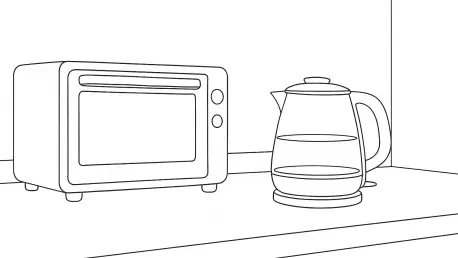
For maintenance and culinary needs, the transition toward compact, high-performance appliances has allowed apartment dwellers to enjoy professional-grade results without the need for a full-sized kitchen or laundry room. Mini folding desktop mops provide immediate intervention for spills near sensitive electronics, while portable compact dryers utilize UV light and targeted heat to sanitize garments in a footprint small enough for a closet. Similarly, smart countertop ovens have become the preferred choice for urbanites, as they preheat faster and offer more precision than traditional units, often controllable via a mobile app. These innovations were adopted by a generation that valued speed and specialized functionality over the sheer volume of an appliance. Residents found that by selecting tools designed for specific, high-frequency problems, they were able to create a cohesive living environment that felt both expansive and efficient. In conclusion, the strategic deployment of these gadgets transformed the urban living experience into one where the quality of technology successfully compensated for the limitations of physical space.