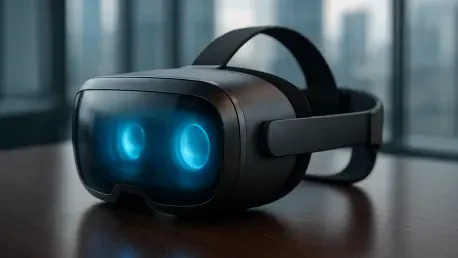

The steep price point and bulky hardware design of the Vision Pro have led to a smaller active user base than initially anticipated by company executives. This reality has forced a significant pivot in corporate strategy, manifesting in the recent decision to eliminate roughly 200 positions across the specialized teams responsible for Siri and spatial computing. The move indicates a shift away from pure hardware expansion toward a more software-centric model that prioritizes the seamless integration of large language models into the wearable ecosystem. Many of the affected roles were within experimental design and specialized hardware testing, areas that saw growth over the last two years but have now reached a stage of diminishing returns. Executives believe that the existing hardware foundation is sufficient for the next iteration of growth, provided the software can bridge the gap in utility. By streamlining these specific departments, the organization aims to reduce the friction between its input methods and the core operating system for users.
Refining the Spatial Experience: Integrating Voice and Vision
The internal reorganization highlights the increasing importance of voice as the primary interface for headsets that lack traditional tactile peripherals. Integrating the Siri development team directly into the Vision Products Group suggests that future iterations of the operating system will rely heavily on predictive AI and context-aware voice commands. This structural change is designed to eliminate the latency between user intent and device action, a critical hurdle for widespread adoption of mixed-reality tools in professional settings. Engineers are now being tasked with creating a more proactive digital assistant that can interpret spatial cues and eye movements in real time. The focus has moved from simple command-and-response mechanisms to a sophisticated conversational interface that understands the physical environment of the wearer. This strategic consolidation ensures that resources are not duplicated across disconnected divisions, allowing for a more cohesive development cycle that brings smarter features to the consumer more efficiently.
Beyond the immediate workforce reduction, the shift signifies a broader trend where major technology firms are moving away from the experimental philosophy that characterized early spatial computing research. The current emphasis is on fiscal responsibility and the delivery of high-value software services that justify the premium cost of high-end headsets. For developers within the ecosystem, this means a greater reliance on standardized APIs and a more unified approach to cross-platform compatibility between mobile devices and head-mounted displays. The reorganization also reflects the necessity of competing in an increasingly crowded artificial intelligence landscape where functional utility outweighs novelty. By focusing on the refinement of the existing Siri framework within the spatial environment, the company is positioning itself to capture the enterprise market which demands reliability over aesthetic experimentation. This transition is essential for maintaining a competitive edge as rival firms begin to introduce their own versions of AI spectacles.
Adapting to the New Reality: Strategic Shifts in the Tech Sector
As the industry navigates the middle of the decade, the consolidation of specialized hardware teams into broader AI divisions is becoming a standard practice among top-tier manufacturers. This trend is driven by the realization that hardware specifications have plateaued, making software intelligence the primary differentiator for consumers. The 200 jobs cut in this recent move represent a small fraction of the total workforce but indicate a sharp focus on removing layers of management that previously hindered rapid deployment of AI features. Other technology leaders are observing this shift closely, as it sets a precedent for how to handle the transition from experimental platforms to mainstream consumer electronics. The move also suggests that the next phase of growth will come from software subscriptions and ecosystem lock-in rather than purely from high-margin device sales. Consequently, the labor market for tech professionals is shifting toward those with expertise in machine learning while traditional hardware engineering roles face increased scrutiny.
The organizational changes implemented by the leadership team established a new baseline for how emerging technologies were integrated into the broader product lifecycle. By prioritizing a lean, software-first approach, the firm successfully reallocated its most talented engineers to projects with the highest potential for immediate consumer impact. This strategy addressed the critical feedback regarding the complexity of the initial Vision Pro launch and the perceived limitations of voice assistance in multi-modal environments. Analysts recognized that the reduction in force was not a sign of failure but a calculated move to ensure long-term sustainability in a volatile economic climate. Investors responded positively to the renewed focus on profit margins and the clear roadmap for AI-driven software updates. Ultimately, the decision to streamline the Siri and Vision Pro teams provided the necessary momentum to refine the spatial experience for a wider audience. The company demonstrated that a smaller, more focused group of experts could deliver more significant advancements.