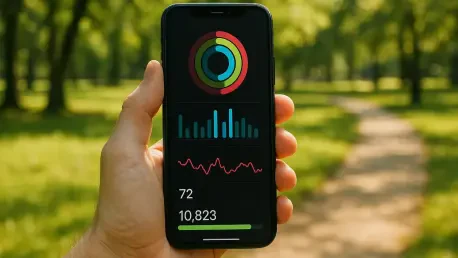

The landscape of personal wellness tracking underwent a startling shift this week as software testers discovered a major reversal in the latest operating system update. The sudden removal of the Health app redesign effectively disables the new Insights tab, which relied on Apple Intelligence to synthesize complex heart and sleep metrics. This transition marks a departure from the experimental phase that began during the initial developer sessions earlier this year, signaling a pivot toward system stability. For several weeks, users had been acclimating to a centralized hub that promised to transform raw biometric data into a narrative of physical longevity. However, the fourth beta of iOS 27.2 has unexpectedly stripped away these visual and functional enhancements, reverting the interface to its classic layout. This move underscores the immense difficulty of merging generative artificial intelligence with sensitive medical information as the company seeks to polish its most ambitious health initiative before a global rollout.
Strategic Reversion: Stability Over Feature Parity
The decision to roll back such a highly anticipated feature is not merely a cosmetic choice but a calculated move to safeguard the integrity of user information. Unlike a bug in a photo filter or a glitch in a home screen animation, inaccuracies in health reporting carry profound ethical and legal weight. If an AI-driven metric were to provide faulty data or if a clinical lab integration failed during a critical booking process, the consequences for the brand’s reputation and user safety could be severe. By reverting to the tried-and-tested legacy interface, the development team effectively creates a “safe harbor” for the core operating system as it approaches its final public release. This ensures that the foundational pillars of the Health ecosystem remain robust and reliable, preventing any experimental code from causing systemic crashes or data corruption for millions of non-beta users who will soon download the update during the upcoming autumn launch.
Prioritizing Integrity: The Ethics of Health Data
Furthermore, the sophisticated nature of the now-removed Insights and Longevity tabs required a level of computational precision that is rarely seen in consumer-grade software. These features were designed to analyze heart rate variability, VO2 max, and resting heart rate to provide a holistic view of biological aging. When these metrics are processed through Apple Intelligence, the margin for error is razor-thin, as any deviation can lead to unnecessary user anxiety or a false sense of security regarding one’s fitness levels. The removal of these tools in Beta 4 suggests that the underlying algorithms may still be undergoing rigorous internal validation to meet clinical-grade standards. This prioritization of data accuracy over the pressure to release new features demonstrates a commitment to the long-term viability of health tracking. Instead of pushing out a half-baked product, the focus has shifted toward ensuring every data point is verified against medical benchmarks before use.
This reversion also serves as a textbook example of the “housekeeping” phase that typically defines the final stretch of a software development cycle. As a platform nears its Release Candidate build, engineers often strip away features that are not yet ready for prime time to ensure the final package is as lean and stable as possible. The company had previously hinted that the major Health app overhaul might follow a different timeline than the standard iOS 27.2 features, making this week’s removal a logical progression in the software’s roadmap. By narrowing the scope of the current update, the developers can concentrate on fixing minor UI bugs and optimizing battery life, which are critical for a successful public debut. This strategic narrowing of focus prevents the “feature creep” that often plagues large-scale operating system updates, allowing the team to deliver a refined experience that meets the high expectations of the global user base while postponing complex features.
Future Roadmap: Anticipating the Return
While the redesign is absent for now, it is widely expected to return in the iOS 27.3 beta cycle, likely starting in late October or early November. This adjusted timeline allows the development teams more time to refine the complex algorithms behind “Health Age” and the clinical integration with Quest Diagnostics. If this schedule holds, the public could see the official launch of these features by December, fulfilling the promise to deliver advanced health tools before the end of the year. The stakes for this specific update are particularly high as the tech giant moves to directly challenge specialized wearable manufacturers that have long dominated the “biological age” and “readiness” scoring market. By integrating similar capabilities directly into the default Health app, the goal is to democratize high-level fitness coaching for the hundreds of millions of people who own a watch, provided the data is as accurate as the subscription-based services currently leading the industry.
The strategic removal of the Health app redesign served as a reminder that the path to integrating artificial intelligence into personal wellness was rarely linear. Moving forward, developers and users alike needed to expect a more modular approach to software releases, where high-risk features were decoupled from standard system updates to ensure overall stability. Organizations looking to implement similar AI-driven health solutions did well to prioritize localized data privacy and rigorous algorithmic validation, as these factors proved to be the primary hurdles in this latest cycle. In the coming months, the focus shifted toward the successful integration of clinical laboratory data and the expansion of biological age tracking to a global audience. The lessons learned from this beta period suggested that a slower, more deliberate rollout was preferable to a rushed launch that risked compromising user trust. As the ecosystem matured, the emphasis moved toward providing proactive, life-extending recommendations.