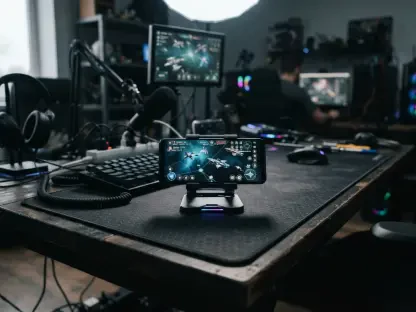

The moment an iPhone touches a MagSafe stand, it no longer merely charges; it morphs into a sophisticated command center that bridges the gap between a mobile handset and a dedicated smart home hub. This shift is most evident in the latest iOS 27.3 beta, which fundamentally reworks StandBy mode to bring advanced interface features once exclusive to the foldable iPhone Duo to the entire product lineup. By moving away from the rigid, three-pane limitation of previous software versions, Apple has transitioned to a more fluid gallery system that feels significantly more interactive and purposeful. This update democratizes high-end display technology, ensuring that a standard iPhone can serve as a primary information node on a desk or nightstand. Instead of being a secondary feature, this enhanced state of operation suggests a future where hardware is just as valuable during its downtime as it is when actively in use. This transformation reflects a strategy to integrate the iPhone deeper into the domestic environment.
Architectural Shift: From Static Panes to Infinite Customization
The transition toward what is being described as “infinite customization” marks a departure from the restricted layouts of the past, allowing for a much more expressive user experience. In this new beta, users are granted the ability to create and curate upwards of twenty-five unique display faces, which can be navigated with simple horizontal swipes while the phone remains in its horizontal charging state. This modularity is designed to suit various environments throughout the day, such as a focused productivity screen for the office and a relaxed, photo-centric display for the living room. By organizing these faces into seven distinct categories, including Digital, Analog, and Weather, the system provides a structured yet flexible way to manage information density. This shift ensures that the device no longer shows a static set of data, but rather a revolving door of relevant insights that adapt to the user’s immediate surroundings. This granular control turns the iPhone into a personalized chameleon.
Within this expanded gallery, the “Modular” category represents perhaps the most significant functional evolution, drawing heavy inspiration from the advanced complications found on the Apple Watch. These tiny, data-rich widgets provide real-time updates and quick shortcuts to frequently used applications, allowing for a glanceable summary of the day without needing to unlock the screen. Users can now adjust aesthetic elements with unprecedented depth, selecting custom color themes and specific data points that align with their personal workflows or home decor. This focus on information density addresses a common critique of earlier versions, where large amounts of screen real estate were often underutilized. By integrating these intricate complications, the software makes it possible to monitor stock prices, home security feeds, and calendar appointments simultaneously in a sleek, unified view. This approach highlights a commitment to maximizing the utility of displays even when the user is not holding the device.
Cinematic Memory and Comprehensive Device Integration
Beyond purely functional data, the iOS 27.3 update places a renewed emphasis on emotional connection through the refinement of the Photos and Memories categories. A standout feature in this release is native support for Shared Albums, which allows the iPhone to act as a collaborative digital photo frame that updates in real time as family members add new images. This feature transforms the device into a living window of shared experiences, blending the boundaries between a communication tool and a piece of smart furniture. The sophisticated algorithms behind the Memories face have also been tuned to curate higher-quality selections, ensuring that the visual rotation remains fresh and engaging throughout the day. This shift toward visual storytelling demonstrates an understanding that a smart display should be both helpful and aesthetically pleasing in a home setting. Customizing these visual sets ensures the photographic experience feels intentional rather than just a randomized screensaver.
While the iPhone Duo remains the flagship vessel for these advanced faces due to its unique foldable form factor, the accessibility of these features across the broader iPhone ecosystem is a major milestone. Support for this transformative smart display experience extends back to the iPhone 11 and all subsequent models, provided they are placed in a horizontal orientation on a compatible charger. This inclusivity ensures that older hardware remains relevant and continues to provide value in a smart home context long after it has been replaced as a primary mobile device. However, the requirement for horizontal charging remains a key technical boundary, as it prevents accidental triggers while the device is in a pocket or being used vertically. This careful balance between hardware requirements and software innovation allows the ecosystem to remain cohesive while still pushing the limits of what a traditional smartphone can do. It essentially creates a secondary life for the iPhone.
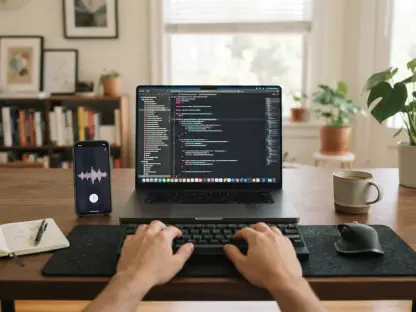
Taking the time to curate these faces now ensures that the transition to a more data-centric lifestyle remains seamless and highly productive for all participants. It has been observed that those who prioritize “Modular” layouts gain the most significant productivity boosts, as they can monitor critical metrics without breaking their focus from primary tasks. Furthermore, the technical requirements for horizontal charging serve as a subtle nudge toward adopting more ergonomic desk setups, encouraging the use of dedicated stands that elevate the device to eye level. This evolution in usage patterns highlights a growing trend where mobile devices are no longer viewed as isolated tools but as integral components of a wider digital architecture. As the ecosystem continues to evolve, the emphasis remains on providing high-density information that is both accessible and unobtrusive. Ultimately, the update proves that software changes can redefine the daily relationship between humans and their most personal technology.