
The functionality of Malaysia’s new disaster warning system depends on three specific factors: the device must be powered on, compatible, and connected to a supported 4G or 5G network. In a climate where natural disasters like flash floods and landslides appear with increasing frequency, the margin for error in public safety communication has shrunk to nearly zero. The Malaysian government recognizes that traditional warning methods, such as television broadcasts or manual sirens, often fail to reach individuals who are not actively monitoring the media or are located in remote areas. This reality necessitated a hardware-integrated solution that could penetrate the daily digital noise of a modern, smartphone-reliant society. By shifting the focus to mobile-first alerts, the MySiren initiative establishes a critical digital safety net for 2026, aiming to provide every citizen with the precise information needed to protect lives and property. This analysis explores the technical architecture, regulatory framework, and end-user requirements of this national project, ensuring that every resident understands how to verify their device’s readiness before an actual crisis unfolds.
1. Management: Implementation of the MySiren Initiative
MySiren serves as the official backbone of Malaysia’s modern early warning infrastructure, operating under the direct oversight of the Malaysian Communications and Multimedia Commission (MCMC). As the primary regulator of the nation’s telecommunications sector, MCMC is uniquely positioned to bridge the gap between emergency management agencies and the mobile network operators that provide cellular coverage to millions. The management of this system involves the complex coordination of technical standards and carrier compliance, ensuring that when an alert is triggered, it propagates across the country’s digital landscape without delay. By centralizing management under MCMC, the government has created a unified protocol that avoids the fragmentation typically seen in regional or app-based warning systems. This centralized authority is vital for maintaining the integrity of the data being transmitted, as it ensures that only verified, high-priority emergency information reaches the public, thereby minimizing the risk of misinformation or “alert fatigue” caused by non-essential notifications.
Beyond simple message delivery, the MCMC’s role includes the ongoing monitoring of participating 4G and 5G networks to ensure that the broadcast infrastructure remains resilient during localized power outages or physical damage to cell towers. Because the system is built into the national telecom framework, it relies on deep integration with private and state-linked carriers that have opted into the MySiren program. These participating networks are the invisible delivery agents of the system, receiving instructions from the central hub and pushing them out to the towers in designated danger zones. While the service will be available once it reaches full operational status, the current focus remains on ensuring that the 2026 infrastructure is robust enough to handle the sheer volume of simultaneous broadcasts required during a large-scale event. This strategic partnership between the regulator and the carriers ensures that the service remains free of charge for the end user, removing any economic barriers to receiving life-saving information when every second counts.
2. Connectivity: How Cell Broadcast Delivers Alerts
The technological foundation of MySiren is the Cell Broadcast System (CBS), a mobile communication method that operates very differently from standard point-to-point connections used for calls or internet browsing. Instead of sending an individual message to a specific phone number, CBS allows a cell tower to broadcast a single message to every compatible device within its signal radius simultaneously. This “one-to-many” approach is remarkably efficient because it does not require the network to know a recipient’s identity or phone number, nor does it consume the massive bandwidth needed to send millions of individual text messages. In an emergency, mobile networks often become congested as people rush to call loved ones or check news sites; however, CBS bypasses this congestion entirely because it operates on a dedicated channel within the cellular spectrum. This design ensures that even during peak traffic or network strain, emergency alerts can cut through the noise and reach devices in less than one minute.
Because CBS technology is proximity-based, it allows authorities to target warnings with incredible geographic precision—a feature that is essential for localized disasters like landslides or industrial chemical leaks. If a specific hillside in a rural area is at risk of collapse, only the cell towers serving that immediate vicinity will be activated to send the MySiren alert. This prevents widespread panic in areas that are not in danger while ensuring that those in the “red zone” receive an immediate and unmistakable warning. Furthermore, because CBS does not require a subscription or data plan to function, it serves as a universal communication tool that works even if a user’s prepaid balance is zero or if they are roaming on a different participating network. The system effectively turns the nation’s cellular towers into a coordinated grid of digital sirens capable of broadcasting warnings that are both highly targeted and nearly instantaneous, representing a significant leap forward from the limitations of older communication technologies.
3. Integration: Why MySiren Is Not Standard SMS
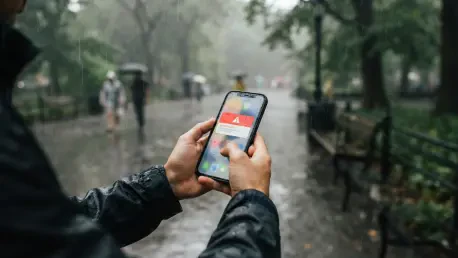
It is a common misconception that MySiren alerts are simply another form of Short Message Service (SMS), but the technical reality is far more sophisticated. Standard SMS messages are delivered via a store-and-forward mechanism that can lead to significant delays, sometimes taking minutes or even hours to arrive if the network is congested or the recipient has a poor signal. In contrast, MySiren alerts are hardware-level notifications that use a phone’s integrated emergency-alert framework, which is designed to take priority over all other background processes. When a CBS-based alert arrives, it does not sit quietly in an inbox waiting to be opened; instead, it triggers a distinct, high-volume audio alarm and an immediate on-screen pop-up that demands the user’s attention. This behavior is intentional, as it ensures the warning is seen even if the user is sleeping, driving, or has their device set to silent or Do Not Disturb mode.
The hardware-centric nature of these alerts means they offer a level of reliability that third-party mobile applications cannot match. An app-based warning system depends on the user having the app installed, keeping it updated, and allowing it to run in the background with full notification permissions—variables that often fail in real-world scenarios due to battery-saving settings or user error. MySiren bypasses these software hurdles entirely by residing within the phone’s operating system itself. Because it is a native feature, it cannot be accidentally uninstalled or silenced by standard volume controls the way a weather app or social media notification can. This deep integration makes the system a permanent part of the device’s safety profile, ensuring that as long as the device is powered on and connected to a 4G or 5G signal, it remains a reliable receiver for government-authorized emergency transmissions without the need for manual maintenance.
4. Specifications: Which Phones and Networks Qualify
To receive a MySiren notification successfully, a mobile device must meet specific hardware and network parameters to ensure it can interpret the broadcast signal. The most basic requirement is that the device must be powered on and active; a phone that is turned off or has a dead battery cannot receive a wireless signal. In addition to power, the device’s internal modem must be compatible with the specific broadcast protocols used by Malaysian carriers. While most modern smartphones manufactured in recent years support Wireless Emergency Alerts (WEA) as a global standard, older 2G or 3G legacy devices may lack the firmware necessary to process these high-priority digital broadcasts. As the nation transitions toward a more advanced digital economy, reliance on 4G and 5G networks ensures that the system can use the high-speed data architecture necessary for rapid, reliable message delivery.
The requirement for a 4G or 5G connection is a critical distinction, as these networks provide the necessary infrastructure for modern Cell Broadcast System standards. If a user is in an area with extremely poor coverage or is using a device that only supports older network generations, they may find themselves outside the reach of the MySiren platform. Official reports have avoided publishing a specific “whitelist” of compatible phone models, largely because compatibility often depends on the specific software version installed on the device rather than the brand name alone. This places a responsibility on the user to ensure their hardware is not only modern but also kept in good working order. Owners of budget or imported devices should be particularly diligent, as some devices intended for foreign markets may have different emergency alert configurations that need to be adjusted to align with Malaysian network standards. This focus on connectivity emphasizes that the effectiveness of the national warning system is a shared responsibility between the government’s broadcasts and the citizen’s hardware readiness.
5. Protocols: The Setup Check Recommended by MCMC
The MCMC has outlined a specific three-step protocol that every mobile user should follow to ensure their device is correctly configured for the MySiren system. The first and most vital step is to update the device’s software by downloading and installing the latest system updates provided by the manufacturer. These updates often contain critical patches for the phone’s modem and notification engine, ensuring that the device can recognize the unique identifiers used in Malaysia’s emergency broadcast signal. Without the latest firmware, a phone might receive the broadcast but fail to display the alert or trigger the necessary alarm sound. Manufacturers frequently release these updates to keep pace with evolving network standards, making this the primary line of defense against technical failure during a disaster.
Following the software update, the MCMC recommends that users perform a full system reboot of their phones. While modern smartphones are designed to run for weeks without being turned off, a restart is often necessary to correctly apply new network configurations and clear out background processes that might interfere with high-priority notifications. This simple action ensures that the device reestablishes a clean connection with the nearest 4G or 5G cell tower, reregistering its presence on the network and refreshing its readiness to receive broadcast signals. The final step in the preparation protocol is the manual activation of emergency triggers within the phone’s settings menu. Users must verify that the toggles for “Government Alerts” or “Wireless Emergency Alerts” are switched to the “on” position. By completing this update-restart-toggle sequence, citizens can move from a state of passive hope to active digital readiness, ensuring that their primary communication tool is optimized for the upcoming 2026 nationwide system test and any real-world emergencies that may follow.
6. Navigation: Locating Emergency Settings on Devices
Finding specific controls for emergency alerts can sometimes be a challenge due to the varying menu layouts used by different smartphone manufacturers. On most Android devices, these settings are typically located within the “Notifications” or “Safety and Emergency” section of the main Settings app. For iOS users, the options are generally found at the very bottom of the “Notifications” menu, beneath the list of individual apps. Because manufacturers often move these settings during major software updates, the most efficient way to locate them in 2026 is to use the built-in search bar at the top of the Settings menu. By simply typing the keywords “emergency” or “alert,” users can instantly jump to the correct submenu without having to navigate through multiple layers of system options.
Once the correct menu is located, it is important for users to understand the different levels of alerts available and ensure they are all active. Most phones offer separate toggles for “Extreme Threats,” “Severe Threats,” and “Public Safety Messages.” To ensure full coverage under the MySiren framework, it is recommended to enable all available tiers, as different types of disasters may be categorized under different severity levels depending on the immediate risk to life. Some devices also include a “test alerts” toggle, which is particularly relevant for the scheduled 29 November exercise. Enabling this specific setting allows users to confirm that their device is working correctly without the stress of an actual emergency. This proactive navigation of the phone’s settings is a small but necessary investment of time that ensures the sophisticated CBS technology behind MySiren can successfully complete the “last mile” of delivery to the user’s screen.
7. Strategy: What the First Phase Covers
The initial rollout of MySiren in 2026 is strategically focused on high-impact natural disasters that pose an immediate and recurring threat to the Malaysian population. By prioritizing floods, landslides, and severe weather, the government is addressing the most common triggers for displacement and property damage in the region. The first phase of the system is designed to act as a primary warning mechanism for monsoon seasons, where sudden changes in rainfall can lead to catastrophic flash flooding in urban basins or dangerous slope failures in hilly areas. This focus allows authorities to refine the system’s geographic targeting and message delivery protocols using data from well-understood disaster patterns, ensuring that the most vulnerable communities are the first to benefit from the new digital infrastructure.
In addition to weather-related events, the first phase includes coverage for tsunamis and industrial or environmental hazards. This inclusion recognizes that coastal regions and industrial zones require specialized, high-speed notification systems that can outpace the physical arrival of a threat. For example, in the event of a hazardous material leak at a chemical plant, a MySiren alert can be sent instantly to every phone in the downwind path, providing residents with the critical minutes needed to shelter in place or evacuate. While the framework allows for a much broader range of emergency types, the decision to launch with a concentrated list of high-priority risks ensures that the system remains reliable and focused. This phased approach allows the MCMC to build public trust in the system, demonstrating its value through the successful management of common disasters before expanding its reach into more complex public security or local municipal issues.
8. Classification: The Six Alert Categories Explained
The MySiren framework utilizes a hierarchy of six distinct alert categories to help citizens quickly understand the nature and urgency of the information they receive. At the top of this hierarchy is the “National Alert,” reserved for events of extreme significance that impact the entire country or require a coordinated nationwide response. Below this are the “Extreme” and “Severe” alerts, which are used for localized threats to life and property, such as imminent flooding or destructive weather. These three tiers are the primary focus of the disaster warning system and will always be accompanied by the loudest alarms and most prominent screen overrides. By categorizing alerts in this way, the system helps prevent a “one-size-fits-all” approach to communication, ensuring that a localized landslide warning does not cause unnecessary alarm for someone living hundreds of miles away in a different state.
The remaining three categories—Missing Person Alerts, Test Alerts, and Exercise Alerts—serve vital support functions within the national safety ecosystem. “Missing Person Alerts” represent an expansion of the system’s utility into public welfare, allowing authorities to broadcast descriptions and photos to specific areas where a missing individual was last seen. “Test Alerts” and “Exercise Alerts” are critical for system maintenance and public education, allowing the MCMC to verify the technical integrity of the network and enabling emergency services to conduct realistic disaster drills. These categories are clearly labeled as non-emergencies on the user’s screen, preventing panic while providing an opportunity to confirm that devices are correctly configured. This classification system ensures that MySiren is not just a tool for disasters, but a comprehensive public safety platform that can adapt to a wide variety of urgent information needs while maintaining a clear sense of priority.
9. Evolution: Future Policy and Strategic Expansion
The vision for MySiren extends far beyond the initial 2026 rollout of natural disaster warnings, as outlined by Communications Minister Datuk Seri Fahmi Fadzil. The strategic roadmap for the system involves a gradual expansion into broader public safety domains, including notifications for major fires and public security threats. This evolution is designed to integrate MySiren more deeply into the daily operations of local authorities and emergency responders, creating a versatile communication tool that can be used for everything from urban crisis management to community-level safety announcements. By starting with a narrow focus on natural disasters, the government is establishing a reliable foundation upon which more complex use cases can be built, ensuring that the expansion does not compromise the system’s core mission of saving lives during catastrophic events.
One of the most anticipated future features is the integration of alerts for missing children, which will leverage the speed and reach of cell broadcast technology to mobilize the public during the critical first hours of a disappearance. Unlike social media posts that can be missed or buried by algorithms, a MySiren alert for a missing child would reach every active phone within a specific radius, effectively turning thousands of citizens into eyes and ears for law enforcement. Furthermore, the plan to involve local authorities in the alert process suggests a shift toward a more decentralized and responsive warning system, where city councils or regional disaster committees can trigger alerts for hyper-local issues like water contamination or localized road collapses. This planned expansion reflects a sophisticated understanding of how technology can be used to foster a more resilient and informed society, where the national early warning system becomes an indispensable part of Malaysia’s social and digital infrastructure.
10. Validation: Preparedness for the Nationwide System Test
The nationwide system test scheduled for November 29, 2026, served as the ultimate validation of Malaysia’s readiness to deploy the MySiren platform. This exercise was not merely a technical demonstration but a live audit of the country’s entire mobile ecosystem, testing the coordination between the MCMC, wireless carriers, and the millions of mobile devices currently in use. For the public, the test represented the final opportunity to verify that their devices were correctly updated and that their emergency settings were functional before the system became fully operational. Those who received the test message with its characteristic alarm sound were able to confirm their status as participants in the national safety net, while those who did not receive the alert were given a clear signal that their hardware or settings required further attention.
Following the completion of this nationwide exercise, focus shifted toward analyzing the results to identify any persistent gaps in coverage or device compatibility. The data gathered during the test allowed the MCMC to refine its geographic targeting and provided carriers with the insights needed to optimize signal propagation in challenging terrain. For individual users, the takeaway was the realization that digital safety is an ongoing maintenance process; keeping software updated and staying informed about network changes became recognized as essential habits for 2026 and beyond. The successful execution of the test proved that the MySiren system was more than just a theoretical concept, transforming it into a tangible, high-speed reality that significantly bolstered Malaysia’s national resilience against the unpredictable forces of nature. Citizens were encouraged to view their mobile devices not just as communication tools, but as vital life-saving instruments that required regular verification to ensure they remained ready for the next real-world emergency.