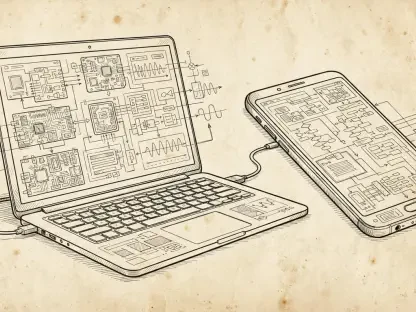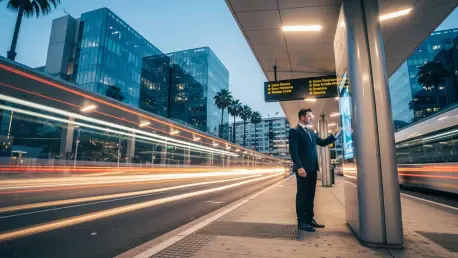

Navigating the complex network of South Florida roadways has long presented a significant logistical challenge for commuters who frequently find themselves juggling multiple disparate schedules and payment methods across different county lines. To address these persistent frustrations, Broward County Transit officially introduced RideBCT, a comprehensive digital ecosystem that effectively consolidates every aspect of the transit journey into a singular user-friendly interface. This strategic evolution from the previous BCT Mobile Ticketing framework demonstrates a proactive response to community feedback regarding the inherent inconvenience of managing fragmented applications for daily travel. By synthesizing trip planning, real-time bus tracking, and secure fare processing, the platform eliminated the friction points that historically discouraged residents from choosing public transportation over personal vehicles. The transition signaled a shift toward technological modernization that prioritized the rider experience by providing transparency and reliability in a previously unpredictable environment.
Streamlining Regional Mobility Through Unified Data
Central to this technological overhaul is the implementation of Google-powered mapping technology, which provides riders with high-precision route calculations and exact arrival predictions based on live traffic conditions. This integration allowed for a contactless, cash-free environment by incorporating Apple Pay and Google Pay, catering to a demographic that increasingly relies on mobile wallets for everyday transactions. Beyond the borders of the county, the system synchronized its real-time data with the SoFloGO application, facilitating a seamless transition for passengers moving between Miami-Dade Transit, Palm Tran, and the Tri-Rail network. This regional interoperability addressed the “last mile” problem by ensuring that long-distance commuters had access to accurate transfers without the need to consult separate databases. Such connectivity reflected a broader industry trend toward creating “all-in-one” transit hubs that accommodate the diverse needs of an aging population alongside tech-savvy younger generations.
Balancing Digital Innovation with Personalized Service
While the digital-first approach dominated the recent system updates, the agency wisely maintained a hybrid model to ensure equitable access for all residents. Specifically, individuals seeking reduced-fare registrations, such as students, seniors, and persons with disabilities, completed initial in-person verifications at designated hubs like the Broward Central Terminal or Government Center West. Once a customer service representative authenticated these credentials, the accounts moved seamlessly into the digital app for ongoing management. This process ensured that the security of public funds remained intact while still offering the convenience of modern mobile ticketing. For the future, riders should actively monitor their notification settings within the application to receive instant alerts regarding route deviations or service expansions. Optimizing the use of this technology involved regular updates to the software to maintain compatibility with new operating systems. This modernization effort successfully bridged the gap between legacy infrastructure and the demands of a high-speed urban environment.