
The transition from traditional mercury-switch thermostats to modern, internet-connected systems represents one of the most significant shifts in residential energy management since the widespread adoption of central heating. As global energy prices continue to fluctuate and environmental awareness reaches new heights, the humble wall-mounted controller has transformed into a sophisticated data engine capable of making complex decisions in real time. For many homeowners, the primary motivation for this upgrade is no longer just the convenience of adjusting the temperature from a smartphone but the tangible potential for long-term financial recovery through reduced utility bills. These devices act as a central nervous system for the modern home, bridging the gap between basic comfort and the rigorous demands of domestic fiscal responsibility by ensuring that every kilowatt of energy is used with maximum precision.
The economic argument for these devices is bolstered by the fact that heating and cooling typically account for nearly half of the average household’s energy consumption, making it the most logical area for cost-cutting measures. Historically, manual thermostats relied on human memory to lower the heat at night or turn off the air conditioning before leaving for work, a process that was inherently flawed and often forgotten. Modern smart units remove this human error by utilizing predictive modeling and occupancy detection to create a thermal schedule that aligns perfectly with the inhabitants’ lifestyle. By analyzing the current market, it is clear that the upfront investment in a high-quality thermostat is increasingly viewed as a capital improvement rather than a mere gadget purchase, offering a clear path to amortization through lower monthly overhead costs.
The Architecture of Smart Climate Control
Connectivity: Building a Unified Household Ecosystem
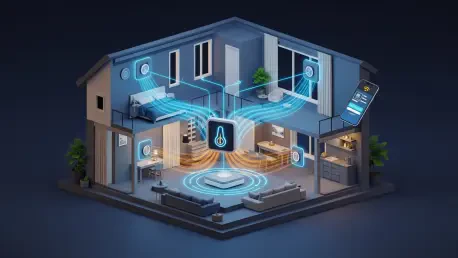
The foundational value of a smart thermostat lies in its ability to function as an integrated component of a broader automated household, rather than operating in a technological vacuum. Modern units from industry leaders are designed to offer seamless interoperability with major smart home ecosystems, including Amazon Alexa, Google Home, and Apple HomeKit, which allows for sophisticated automation routines. For example, a thermostat can be programmed to lower the temperature automatically when a smart lock is engaged or when a security system is set to “Away” mode. This level of synchronization ensures that the heating and cooling system is never running unnecessarily, a problem that plagued older manual systems for decades and led to significant financial waste over the life of an HVAC installation.
Moreover, manufacturers have significantly lowered the barrier to entry by streamlining the hardware installation process to accommodate various home wiring configurations. The historical requirement for a “C-wire” or common wire, which provides a dedicated return path for continuous power, once deterred many from upgrading their older homes. Today, many premium thermostat kits include power extender kits or adapters that allow these devices to operate reliably on four-wire systems without requiring an expensive professional electrician. This democratization of technology means that the energy-saving benefits are now accessible to a much wider demographic, allowing even those in older housing stock to modernize their climate control infrastructure and begin seeing a return on their investment almost immediately after a simple DIY setup.
Future-Proofing: The Role of Matter and Diagnostic Protocols
One of the most critical developments in the current technological landscape is the industry-wide adoption of the Matter standard, which serves as a universal language for smart home devices. By purchasing a thermostat that supports this protocol, homeowners are effectively future-proofing their investment against the risk of platform obsolescence or brand-specific ecosystem lock-in. This ensures that the device will continue to communicate with new appliances and hubs purchased from 2026 to 2030 and beyond, maintaining its value even as other components of the home’s technology stack are replaced. This longevity is essential for calculating the true return on investment, as a device that remains functional for a decade provides far more cumulative savings than one that requires replacement due to software incompatibility.
Beyond simple communication, modern thermostats have moved into the realm of proactive HVAC health monitoring by utilizing advanced diagnostic algorithms. These systems can track the run times of a furnace or air conditioner and compare them against outdoor weather conditions to determine if the equipment is operating at peak efficiency. If the system detects that it is taking longer than usual to reach a target temperature, it can send a notification to the user’s smartphone suggesting that the air filter needs to be replaced or that a technician should inspect a potentially failing blower motor. This early warning system prevents minor inefficiencies from snowballing into catastrophic mechanical failures, potentially saving homeowners thousands of dollars in emergency repair costs while simultaneously keeping energy consumption at its lowest possible level.
Maximizing Performance Through Technology
Precision Monitoring: Sensors and Geofencing
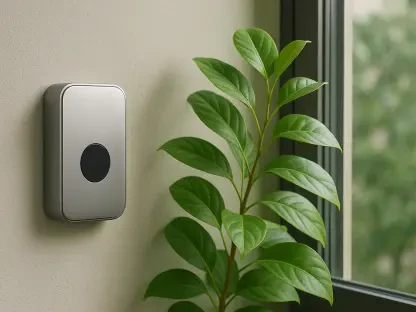
The traditional method of temperature control often resulted in uneven heating, as a single thermostat located in a central hallway could not accurately reflect the temperature in a finished basement or a second-story bedroom. Modern high-tier models have solved this problem by utilizing remote room sensors that communicate wirelessly with the main unit to provide a comprehensive view of the home’s thermal profile. These sensors can detect both temperature and occupancy, allowing the thermostat to prioritize the climate in the specific rooms where people are actually spending time. By ignoring empty guest rooms or hallways and focusing energy on occupied zones, the system can achieve a higher level of comfort with a lower total energy expenditure, effectively eliminating the “average temperature” problem that once led to significant over-heating or over-cooling.
Complementing these physical sensors is the widespread implementation of geofencing technology, which uses the GPS and Wi-Fi data from the residents’ smartphones to create a virtual boundary around the property. When the last person leaves the designated radius, the thermostat receives a signal to enter an eco-mode, regardless of the established schedule. Conversely, as a family member crosses the geofence on their way home, the system begins pre-conditioning the house to ensure it is comfortable upon their arrival. This dynamic adjustment is far more efficient than a rigid time-based schedule, as it accounts for the unpredictable nature of modern life, such as staying late at the office or coming home early on a weekend. This intelligence ensures that the HVAC system is only active when necessary, directly translating to lower utility bills.
Intelligent Optimization: Brand Innovations and Learning
Leading brands have introduced proprietary learning algorithms that go beyond simple user programming by studying the thermodynamic properties of the building itself. For instance, some units can calculate how long it takes for a specific home to lose heat during a winter night and adjust the start time of the morning heating cycle accordingly. This means the furnace does not have to run at full blast for an hour to reach a target temperature; instead, it can use more efficient, gradual heating cycles. This level of granular control is particularly beneficial for homes with heat pumps, where the thermostat can manage the “balance point” to avoid using expensive auxiliary electric heat strips unless absolutely necessary, which is a major source of high energy bills in colder climates.
Furthermore, many manufacturers are now expanding the utility of the thermostat by integrating it with other household safety and environmental health monitors. Some current models feature built-in air quality sensors that can detect volatile organic compounds or high levels of carbon dioxide and automatically trigger the HVAC fan or an air purifier to cycle the air. Others integrate with home security systems, using their motion sensors to supplement the house’s burglar alarm when the family is away. This multi-functional approach increases the perceived value of the initial purchase, as the thermostat essentially replaces several standalone devices. By consolidating these features into a single interface, homeowners gain a more holistic view of their domestic environment while benefiting from the primary energy-saving capabilities of the core hardware.
The Financial Reality of Upgrading
Economic Incentives: Utility Rebates and ROI
The financial burden of purchasing a premium smart thermostat was significantly mitigated by a wide array of utility-sponsored rebate programs and seasonal market fluctuations. Many major energy providers offered instant rebates or bill credits for customers who installed certified energy-efficient models, sometimes covering more than half of the device’s retail price. These programs were designed to reduce the overall load on the electrical grid during peak periods, making it a win-win scenario for both the consumer and the utility company. When combined with the estimated fifteen to twenty percent savings on annual heating and cooling costs, most users found that their initial investment was completely recouped within the first twelve to eighteen months of operation, marking one of the fastest payback periods for any home improvement.
Additionally, many homeowners discovered that participating in “demand response” programs further accelerated their savings by allowing the utility company to make minor, temporary adjustments to the temperature during extreme weather events. In exchange for this flexibility, participants received annual checks or recurring credits on their monthly statements, which served as a passive income stream that offset the cost of the hardware even further. This shift toward a more interactive relationship with the energy grid transformed the thermostat from a static controller into an active financial tool. By leveraging these incentives, households managed to insulate themselves against rising energy costs while contributing to a more stable and resilient regional power infrastructure through collective efficiency.
Strategic Implementation: Final Considerations for Efficiency
Homeowners who achieved the highest level of success with smart thermostats recognized that the hardware was only one part of a comprehensive energy strategy. They utilized the detailed monthly energy reports provided by their devices to identify patterns in their consumption and made informed decisions about weatherstripping, insulation, and window treatments. By seeing exactly how many hours their system ran compared to the previous month, they were able to quantify the impact of their behavioral changes. These data-driven insights allowed families to set realistic goals for reduction, turning energy management into a transparent and manageable part of the household budget. Experts noted that the most successful users were those who allowed the device’s artificial intelligence to handle the daily fluctuations while they focused on the broader structural efficiency of their homes.
Ultimately, the shift toward smart climate control proved to be a foundational step for anyone looking to modernize their living space and reduce domestic overhead. The technology moved past the era of being a luxury item and established itself as an essential tool for fiscal and environmental stewardship in the modern age. Those who adopted these systems found that the combination of automation, remote access, and precision sensing provided a level of comfort that manual systems could never match. As the market matured, the evidence became overwhelming that the smart thermostat was a rare example of a technology that truly paid for itself. By making the HVAC system smarter rather than just stronger, homeowners successfully took control of their utility expenses and prepared their properties for a more efficient and sustainable future.