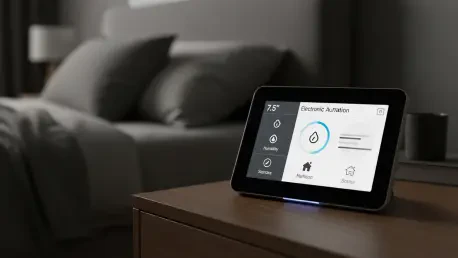

Many households are currently reaching a breaking point with smart displays that have transformed from helpful assistants into intrusive digital billboards constantly flashing unwanted advertisements across their living spaces. This frustration is palpable as industry leaders have increasingly prioritized ad revenue over the user experience, leading to a landscape where home screens are cluttered with sponsored content. SwitchBot has identified this gap, introducing its E-Ink Weather Station as a direct countermeasure to the loud displays that dominate modern kitchens and bedrooms. Unlike traditional hubs that rely on power-hungry LCD or OLED panels, this device utilizes a 7.5-inch electronic ink screen to provide essential information in a calm, non-intrusive manner. It represents a pivot toward quiet technology, where functionality is delivered without the constant demand for visual attention or the intrusion of software-driven marketing. This approach prioritizes long-term utility and aesthetic harmony for those seeking a balanced home.
Countering the Intrusion of Digital Advertisements
The primary motivation behind the adoption of electronic ink technology is the widespread fatigue caused by the aggressive expansion of digital advertising into private spaces. Devices like the Echo Show and Nest Hub have recently faced backlash for pushing full-screen promotional material and sponsored suggestions onto users’ lock screens, often without a clear way to disable them. SwitchBot addresses this specific pain point by offering a paper-like display that is physically incapable of showing high-resolution video ads or flashing animations. This limitation is actually its greatest strength, as it ensures the device remains a static source of information rather than a dynamic marketing tool. By stripping away the ability to play media or browse the web, the station refocuses the user’s relationship with technology on utility. It creates a serene environment where the display blends into the background decor, appearing more like a framed photograph or a printed chart than a high-tech computer monitor.
Beyond the removal of advertisements, the move to E-Ink technology significantly improves the physical comfort of the home environment by eliminating the emission of harsh blue light. Standard smart displays act as constant light sources, which can disrupt sleep patterns and create eye strain when placed in bedrooms or dimly lit areas. In contrast, this station mimics the reflective properties of real paper, relying on ambient light during the day and a subtle, built-in front light for visibility at night. This choice ensures that the device does not glow or flicker, maintaining a low-profile presence that is much easier on the eyes over long periods. Furthermore, the aesthetic versatility of the E-Ink panel allows it to be viewed from almost any angle without the color distortion or glare typical of glass screens. This design philosophy recognizes that the home is a place for relaxation, where technology should supplement daily life rather than dominate the visual landscape with vibrant, artificial illumination.
Technical Efficiency and Hardware Integration
The technical architecture of the station is built around the inherent power-saving capabilities of electronic ink, which only consumes energy when the image on the screen changes. This allows the device to operate with a massive 5000mAh rechargeable battery, providing enough power to last up to a full year on a single charge under standard conditions. To achieve this level of longevity, the system utilizes a highly optimized Wi-Fi management protocol that limits connectivity to essential intervals. Instead of maintaining a constant, power-draining link to the internet, the station wakes up every three hours to refresh weather forecasts, calendar data, and time synchronization. This deliberate delay in data retrieval is a necessary trade-off that ensures users are not constantly tethered to charging cables or worried about battery depletion. It reflects a shift toward low-maintenance hardware that serves its purpose reliably without requiring the frequent attention that modern smartphones and tablets demand.
Hardware utility is further extended through a suite of integrated sensors and physical controls that offer a tangible way to manage the smart home environment. The station includes high-precision internal sensors for monitoring temperature and humidity, but it can also be expanded by pairing with up to three external sensors located in different rooms. This allows for a comprehensive overview of the home’s climate from a single central point. Additionally, the inclusion of two programmable physical buttons on the side of the unit provides a quick method for triggering complex automation scenes. These buttons bypass the need for voice commands or navigating through touchscreen menus, allowing users to close curtains, dim lights, or adjust thermostats with a simple press. By moving away from purely digital interfaces, the design brings a sense of tactile reliability to home control. It empowers users to interact with their environment in a more direct and intentional way, reinforcing the station’s role as a tool.
Connectivity and Future Home Management
Integration into the modern smart home is achieved through support for the Matter protocol, which ensures interoperability across various platforms like Apple Home and Google Home. While the station requires a dedicated SwitchBot Hub to act as a bridge for these connections, the resulting functionality allows it to serve as a vital trigger for other automated systems. For instance, when the station’s sensors detect that the indoor humidity has risen above a specific threshold, it can automatically signal a Matter-compatible dehumidifier to begin operation. This creates a responsive environment where the weather station acts as the brain for climate-related routines. The ability to sync with major calendar services like Google, iCloud, and Outlook further enhances its role as an organizational hub. It can display daily schedules for up to five family members, ensuring that everyone remains coordinated without having to check their phones or personal computers constantly for upcoming tasks.
The implementation of the E-Ink Weather Station provided a significant alternative for users who were exhausted by the aggressive marketing tactics of larger tech conglomerates. It was noted that the transition to a dedicated, low-power device allowed families to regain control over their digital environments without sacrificing the convenience of automation. By prioritizing local data and physical interaction over cloud-based advertising, this device set a precedent for hardware development in the smart home sector. Experts recommended that individuals looking to reduce screen time while maintaining a connected home should adopt this specialized equipment. The station effectively bridged the gap between complex tablets and simple sensors, proving that minimalist design could coexist with advanced functionality. Ultimately, the success of this product demonstrated that consumers valued peace and privacy over the flashy but distracting features of standard displays. This shift in market demand encouraged a broader move toward sustainable, user-centric technology.