
The landscape of portable gaming has undergone a massive transformation as hardware manufacturers attempt to balance the heavy power requirements of modern graphics with the increasing demand for mobile form factors. Consumers looking for a high-end experience often gravitate toward premium sub-brands, expecting that a higher price point naturally equates to superior longevity and engineering. However, recent evaluations of the Alienware x14 R2 have sent shockwaves through the tech community, as one of the most respected consumer advocacy organizations has officially advised against its purchase. Despite possessing an impressive spec sheet that includes a 13th-generation Intel processor and dedicated Nvidia graphics, the device fails to deliver a cohesive experience that justifies its existence in a crowded market. This warning serves as a critical reminder that internal components are only one part of the equation, and that poor thermal design or physical compromises can render even the most powerful hardware nearly unusable for the average enthusiast.
Architectural Flaws and Ergonomic Challenges
Compromised Input Methods and Thermal Throttling
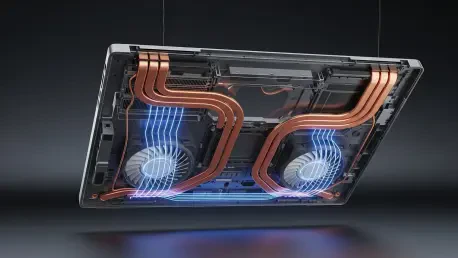
A primary concern raised during technical assessments involves the physical interaction between the user and the machine, specifically regarding the keyboard and heat management. The x14 R2 utilizes a remarkably thin chassis, which, while visually striking, necessitates a keyboard with extremely shallow key travel that many long-term users find fatiguing during extended typing or gaming sessions. This cramped layout is further exacerbated by the significant heat generated by the Intel Core i7 13620H processor during sustained workloads. Unlike larger desktop replacements that have ample space for heat dissipation, this compact frame struggles to move air efficiently, leading to surface temperatures that can become uncomfortable to the touch. When the system detects these rising temperatures, it automatically reduces clock speeds to prevent hardware damage, a process known as thermal throttling. This results in a frustrating paradox where the high-end components promised on the box cannot actually perform at their maximum potential for more than a few minutes.
Portability Paradox and Structural Weight
The marketing surrounding the Alienware x14 R2 heavily emphasizes its thin profile, yet this design choice leads to a series of practical contradictions regarding its actual portability. Weighing in at a level that exceeds many of its direct 14-inch competitors, the device feels surprisingly dense and heavy in a backpack, negating the advantages of its slim dimensions. This weight is largely due to the cooling solution and the premium materials used in the chassis, which fail to translate into a better user experience when the battery life is factored into the equation. In mobile scenarios, the laptop rarely lasts through a full afternoon of moderate productivity, let alone a gaming session, forcing users to carry a bulky power adapter that adds even more weight to their daily load. These factors contribute to a growing sentiment that the device is caught in an identity crisis, being too heavy to be a true ultraportable and too thermally constrained to be a top-tier gaming powerhouse for the modern era.
Reliability Concerns and Brand Reputation
Historical Hardware Stability and Failure Rates
Beyond the immediate physical shortcomings of the x14 R2, a more systemic issue involves the long-term reliability associated with the Alienware brand under the Dell umbrella. Data collected from various consumer feedback loops indicates that these machines suffer from a higher frequency of hardware malfunctions compared to industry leaders like MSI or Lenovo. Common reports include flickering displays, motherboard failures, and a rapid degradation of the cooling fans, which often start to rattle or seize within the first year of operation. These mechanical issues are frequently tied to the aggressive power profiles used to maintain the brand’s “high performance” image, which puts undue stress on internal soldering and delicate electronic traces. While any individual unit might function perfectly, the statistical probability of encountering a significant defect is high enough to warrant caution. This pattern of instability suggests that the engineering focus has prioritized aesthetics and peak benchmarks over the durable, consistent performance that professional users require from their primary computing hardware.
Customer Support Limitations and Repair Hurdles
The frustration of hardware failure is often compounded by the difficulties encountered when attempting to utilize warranty services or technical support. Many owners have documented a lack of urgency from the manufacturer’s support channels, citing long wait times for replacement parts and a repetitive troubleshooting process that often fails to address the root cause of the problem. In some instances, units sent in for repair are returned with secondary issues or cosmetic damage, leading to a cycle of shipping the device back and forth without a permanent resolution. This disconnect between the premium pricing of the product and the quality of the after-sales service is a significant factor in the low scores assigned by independent reviewers. For a consumer investing several thousand dollars in a machine, the expectation of a seamless support experience is paramount, yet the current infrastructure seems ill-equipped to handle the specific complexities of the x14 R2’s compact and difficult-to-service internal layout.
Strategic Alternatives and Market Direction
Identifying More Reliable Gaming Solutions
For those currently in the market for a high-performance portable computer from 2026 to 2028, the focus should shift toward manufacturers that prioritize a balanced thermal envelope and proven chassis designs. The MSI Crosshair series, for example, has emerged as a formidable alternative that offers comparable internal specifications while maintaining a more robust cooling system and a more comfortable keyboard. While these alternatives might not always share the same futuristic “sci-fi” aesthetic as the Alienware line, they consistently provide more stable frame rates and a lower likelihood of hardware-related downtime. Choosing a device with a slightly thicker profile often yields significant benefits in terms of port selection and ease of maintenance, allowing users to upgrade RAM or storage without navigating a labyrinth of proprietary ribbons and fragile clips. By moving away from the “thinness at all costs” philosophy, consumers can find machines that actually fulfill the promise of high-end gaming on the go without the constant fear of overheating.
Actionable Steps for Prospective Buyers
Navigating the high-end laptop market requires a move away from brand loyalty toward a more data-driven approach that prioritizes long-term utility over initial impressions. Before finalizing a purchase, it is essential to consult real-world thermal benchmarks and user forums that track failure rates over the first six months of ownership, rather than relying solely on day-one reviews. Prospective buyers should also investigate the specific regional reputation of a brand’s service centers, as support quality can vary wildly depending on the local infrastructure. If a compact 14-inch form factor is a non-negotiable requirement, looking toward professional-grade workstations that moonlight as gaming machines may offer a more stable build quality. Ultimately, the decision to avoid the x14 R2 is a proactive choice to protect one’s investment and ensure that the hardware remains functional and efficient for years to come. Prioritizing reliability and thermal efficiency today will prevent the inevitable frustration of dealing with a high-priced machine that spends more time in a repair center than on a desk.