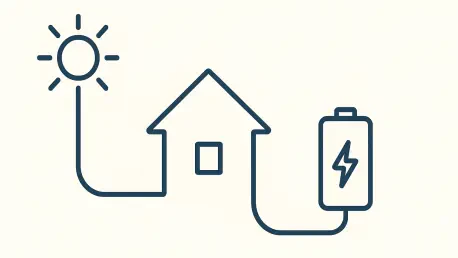

A home energy management system serves as a central brain, making real-time decisions based on solar production, battery state, and fluctuating electricity pricing. This shift marks a dramatic departure from the era of passive consumption, where homeowners simply paid monthly bills without knowing which appliances drained the most power. Today, residents are evolving into “prosumers” who actively generate and manage their own electricity through a coordinated ecosystem. Originally conceived as basic monitoring tools, these platforms have matured into sophisticated orchestration layers that oversee solar arrays, battery storage units, and increasingly, electric vehicle chargers and heat pumps. By utilizing integrated web portals and mobile applications, households can now visualize their energy flows with precision. This transition addresses the global push for electrification, ensuring that residential properties support the broader grid while minimizing costs for residents.
Regional Adoption: Trends and Market Maturity
Europe currently stands as the global leader in the home energy management sector, showcasing a maturity level that other regions are still striving to achieve. By the end of 2025, the continent surpassed 5 million installations, with Germany acting as the primary engine of growth. German households alone account for nearly half of the annual shipments, driven by a cultural and economic commitment to sustainable infrastructure. This regional success stems from a dual-track approach: many homeowners are installing new, integrated solar-plus-storage systems, while others are retrofitting existing photovoltaic arrays with modern battery units and control software. Despite these impressive figures, the market is arguably in its early stages, with a penetration rate of just over 4 percent. However, industry forecasts suggest a steady climb toward 10 percent penetration by 2030. This growth indicates that energy management is transitioning from a niche interest into a standard requirement for European residences.
In stark contrast to the European experience, the North American market is currently navigating an earlier stage of development, characterized by significantly lower household penetration. With roughly 850,000 systems installed as of the beginning of 2026, the regional penetration rate sits at a modest 0.7 percent for single-family and multi-dwelling units. The activity is heavily concentrated within the United States, which represents 95 percent of the regional market share. Specific territories such as California, Texas, Hawaii, and Puerto Rico serve as the primary hubs for adoption, where high utility rates and concerns over grid reliability provide a compelling incentive for residential storage and management solutions. While the growth trajectory remains healthy, North America is expected to reach approximately 1.7 million systems by 2030, trailing behind its overseas counterparts. This disparity highlights a massive opportunity for expansion as local energy policies evolve and consumer awareness regarding energy independence strengthens.
Industry Evolution: Software Orchestration and Market Integration
The home energy management industry is undergoing a fundamental transformation that shifts the focus from hardware capacity to software-driven orchestration. In the previous decade, the primary objective for early adopters was simply to install the largest battery or the most expansive solar array possible. However, the rapid electrification of domestic life has turned energy management into a complex Internet of Things challenge that requires a more nuanced approach. Households are no longer just storing power; they are managing a diverse portfolio of flexible assets including electric vehicle chargers and sophisticated heat pumps. To extract maximum value from these investments, the software layer must act with intelligence, coordinating every device as a unified system rather than a collection of isolated hardware units. This evolution ensures that energy is not just collected but is deployed strategically to maintain household comfort while reducing the overall carbon footprint and operational costs for the modern prosumer.
As the market matures, a distinct divide has emerged within the vendor landscape, pitting integrated energy giants against specialized software platforms. On one side, established hardware providers like Tesla, Enphase Energy, and SolarEdge offer comprehensive, end-to-end ecosystems where the inverter, battery, and software are designed to work together seamlessly. These companies emphasize the reliability and simplicity of a single-manufacturer solution, providing a streamlined experience for both installers and homeowners. On the other side, a growing group of software specialists, including firms like GridX and Tibber, are developing manufacturer-agnostic platforms. These orchestration layers are designed to integrate third-party hardware from various brands, allowing consumers to pair a specific brand of electric vehicle charger with a different brand of battery or heat pump. This competitive tension is driving an industry-wide push for greater interoperability and standardized communication protocols to ensure homeowners are not locked into proprietary systems for years.
The future of residential energy depended on the successful integration of these localized systems into the wider utility infrastructure. Moving forward, the most significant opportunity resided in the development of Virtual Power Plants, where thousands of individual homes coordinated their energy exports to stabilize the national grid during peak demand events. For manufacturers and service providers, the immediate priority became the refinement of user interfaces and the adoption of open-source standards to simplify the consumer experience. Homeowners were encouraged to view energy management not as a static purchase, but as an ongoing service that required regular software updates and periodic hardware expansions. By embracing these technologies, communities successfully built a more resilient energy ecosystem that reduced reliance on centralized fossil fuel plants. This shift fundamentally altered the relationship between utilities and customers, turning every household into a contributor.