
Optimism surrounds the HakuX project as it demonstrates that high-fidelity console gaming is becoming increasingly feasible on modern mobile processors. For years, the dream of running original Xbox titles on a smartphone remained elusive, hampered by the complex architecture of the sixth-generation hardware. Early attempts often relied on inefficient ports that struggled to maintain playable frame rates even on flagship silicon. However, the emergence of HakuX marks a definitive turning point in this landscape. Instead of simply modifying existing codebases, the developer known as r-fandango initiated a comprehensive overhaul designed specifically for the ARM architecture and Android’s unique driver environment. This shift represents a broader trend in the emulation community where specialized mobile-first development is replacing general-purpose ports. As users seek more robust ways to preserve gaming history on portable devices, this software provides a bridge to a library once thought to be out of reach for mobile power users.
Engineering Standards: Reconstructing the Native Mobile Pipeline
The technical foundation of this project is built upon a complete reconstruction of the emulation pipeline, distinguishing it from the legacy xemu-based forks that previously dominated the scene. By focusing on direct hardware abstraction and optimizing memory management for mobile SOCs, the developer managed to bypass the significant overhead that plagued earlier software iterations. This specialized approach allows for better utilization of multi-core processors, which are now standard in high-end mobile devices. The architectural choice to move away from translation layers and toward native optimization ensures that the emulator can handle the original console’s complex GPU commands with far greater efficiency. Consequently, the software achieves a level of stability that was previously considered unattainable on the Android platform. This evolution reflects a sophisticated understanding of modern mobile graphics APIs and suggests that the era of hit or miss emulation for this specific console generation is finally ending.
User accessibility serves as another cornerstone of the platform, offering a streamlined experience that contrasts sharply with the cumbersome setup routines of the past. To begin, enthusiasts simply download the application package directly from the development repository and direct the software to their local library of game images. Support for standard formats such as .iso and .xiso files is baked in from the start, ensuring compatibility with existing digital backups without the need for tedious conversion processes. The interface is designed to be intuitive, featuring pre-mapped control schemes that work seamlessly with modern Bluetooth controllers and dedicated gaming handhelds alike. This plug-and-play philosophy removes many of the barriers that typically deter casual gamers from exploring the world of console emulation. By prioritizing a clean user interface and automated configuration, the project makes sophisticated technology accessible to a wider audience, further cementing its position as a leading solution for mobile retrogaming.
Performance Analysis: Benchmarking Hardware Synergy and Optimization
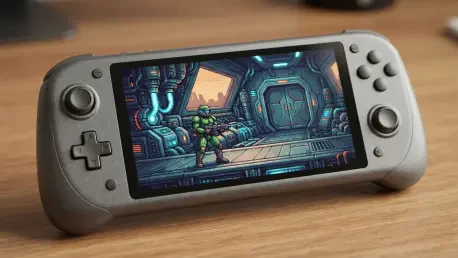
Performance metrics on current-generation hardware such as the Retroid Pocket Duo and the Pocket Nova have proven to be remarkably consistent during initial testing cycles. Demanding titles that once stuttered or failed to boot, including the iconic Halo: Combat Evolved and the stylistically complex Jet Set Radio Future, now maintain stable frame rates exceeding thirty frames per second. These results are particularly impressive given the resolution scaling currently possible within the application. For many players, the ability to revisit these classics on a handheld screen with enhanced clarity represents the ultimate realization of portable gaming potential. While the raw power of contemporary mobile chips plays a role, it is the software’s ability to intelligently distribute workloads that truly drives these gains. This synergy between hardware capabilities and software refinement allows the emulator to punch well above its weight class, delivering a smooth experience even on mid-range devices that were previously overlooked by high-end emulation developers.
Despite these significant strides in performance, the software remains in an active state of development where certain technical hurdles still require user intervention. The recent 1.2.0 update brought substantial improvements for Adreno-based systems, yet graphically intensive titles like Fable or Halo 2 frequently display minor visual artifacts or lighting glitches. To mitigate these issues, many users have turned to custom Turnip drivers, which provide more direct access to GPU features than standard system drivers. This requirement highlights the ongoing tension between cutting-edge emulation and the limitations of closed-source mobile graphics stacks. While the emulator is remarkably stable for a vast majority of the library, achieving perfection in every title still demands a level of technical familiarity that might challenge less experienced users. Developers continue to work on internal workarounds that may eventually eliminate the need for third-party driver installations, potentially streamlining the experience even further for the general public.
Future Potential: Expanding Connectivity and System Integration
Beyond raw gameplay, the application includes a suite of advanced features that modernize the sixth-generation console experience for a contemporary audience. Support for upscaling up to 1080p resolution allows older textures to appear crisp on high-density mobile displays, while flexible aspect ratio adjustments cater to various screen configurations. Perhaps most impressive is the inclusion of local area network multiplayer functionality, allowing users on the same Wi-Fi network to participate in system-link sessions just as they would on original hardware. This feature revitalizes the social aspect of classic gaming, enabling competitive matches and cooperative play without the need for complex server setups. The integration of such robust networking capabilities demonstrates a commitment to preserving the full scope of the original gaming experience. Furthermore, the inclusion of quick-save states and customizable touch overlays ensures that the software remains versatile enough for short gaming bursts or long, immersive sessions, adapting to the mobile lifestyle of its user base.
Strategic investments in mobile driver compatibility and refined resource allocation proved to be the decisive factors in the successful deployment of this emulation project. As developers moved forward, they prioritized the implementation of more robust shader compilation techniques to eliminate the micro-stuttering that once plagued high-speed action games. Users who sought to maximize their experience eventually adopted standardized driver profiles, which significantly reduced the frequency of graphical anomalies across the board. The project demonstrated that a dedicated focus on ARM-native optimization could overcome the inherent difficulties of simulating specialized console hardware. Moving into the next phase of mobile gaming, stakeholders encouraged further collaboration between open-source developers and hardware manufacturers to ensure better API support. This collective effort provided a clear blueprint for future projects aiming to bring even more advanced console generations to the palm of a hand. Looking ahead, the community focused on expanding the compatibility list and refining the network code for even broader accessibility.