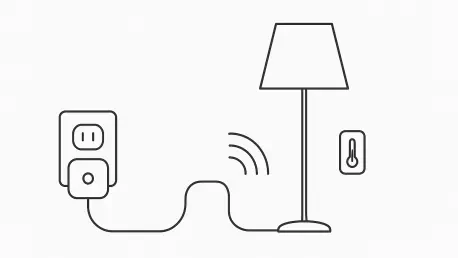

Occupancy-aware cooling prevents energy waste by ensuring air conditioners only run when sensors detect a human presence within a specific room. This specific application highlights the broader potential of smart plugs to transform aging household hardware into responsive components of a modern dwelling. Integrating these compact devices offers a practical and financially savvy method for bridging the gap between traditional appliances and the sophisticated smart home ecosystems of today. By serving as an internet-connected relay, a smart plug allows for remote accessibility, detailed scheduling, and even complex automation for devices that were never manufactured with networking capabilities. However, the success of this modernization effort depends heavily on the physical design of the legacy appliance. Because the smart plug merely interrupts or restores the flow of electricity, it is most effective when paired with hardware featuring mechanical toggle switches or integrated power-loss memory. A simple diagnostic check—unplugging the appliance while it is active and reconnecting it to see if it resumes its state—remains the gold standard for determining compatibility. This foundational step ensures that the transition to a connected home remains seamless, allowing functional but older devices to avoid the landfill while gaining the features of the newest smart tech models.
Managing Electrical Loads and Safety
When attempting to modernize heavy-duty machinery, one must navigate the critical distinction between resistive loads and inductive or motor loads. Devices like lamps, traditional toasters, and space heaters are generally categorized as resistive loads, which pull a consistent amount of current once activated. In contrast, motor-driven appliances such as window air conditioners, large fans, and refrigerators present a unique challenge known as a startup surge. This momentary spike in electrical demand occurs when the motor or compressor first kicks into gear, often drawing several times the current required for steady-state operation. If a standard consumer-grade smart plug is not rated for these high-amperage surges, the internal relay can weld shut or fail catastrophically, creating a significant fire hazard. Consequently, it is imperative for users to scrutinize the nameplate specifications of their appliances against the maximum amperage and horsepower ratings of the smart plug. Utilizing a plug that is overrated for the specific task provides a necessary buffer of safety, ensuring that the convenience of remote control does not come at the expense of home security or electrical integrity. This technical alignment is the first line of defense in a successful retrofitting project.
Beyond the raw electrical capacity, maintaining the integrity of the appliance’s own safety mechanisms is a non-negotiable aspect of any smart home upgrade. A smart plug is an external controller and cannot replicate or replace the sophisticated internal safeguards designed by the original manufacturer, such as thermal cutoffs or low-water sensors. For instance, if an older space heater lacks an automatic tip-over switch, adding a smart plug does nothing to mitigate the risk of a fire if the unit is knocked over. Similarly, using a smart plug to bypass a faulty internal power switch is an inherently dangerous practice that circumvents the device’s intended operational logic. Automation should always be viewed as a layer of convenience that sits on top of a perfectly functioning mechanical system, rather than a patch for hardware that has reached the end of its safe lifecycle. Homeowners should regularly inspect the physical condition of their legacy devices, checking for frayed cords or signs of overheating at the outlet. By respecting the original engineering of the appliance and using the smart plug only to manage the power supply, users can enjoy a modernized experience while upholding the highest standards of household safety and equipment longevity.
Optimizing Climate and Air Quality
Air conditioning units represent perhaps the most rewarding opportunity for modernization through smart plug integration, particularly when they are synchronized with external environmental sensors. By detaching the thermostat function from the often inaccurate sensors built into older window units, homeowners can create a much more responsive and efficient cooling strategy. When a smart plug is paired with a standalone temperature and humidity sensor via a central hub, it allows for the implementation of occupancy-aware logic that transcends simple time-based schedules. For example, the system can be configured to activate the cooling only when the room temperature exceeds a specific threshold and motion is detected, ensuring that energy is never wasted on an empty space. This level of granular control mimics the features found in the most expensive modern HVAC systems but at a fraction of the cost. Moreover, this setup allows for remote pre-cooling, where the air conditioner can be triggered twenty minutes before a resident arrives home, providing immediate comfort without the need to run the unit all day. This targeted approach to climate control not only enhances the daily living experience but also contributes to a significant reduction in monthly utility expenses, proving that older hardware can still perform with contemporary efficiency.
Similar benefits are found when applying smart technology to air quality devices like humidifiers and purifiers, where environmental responsiveness is key to maintaining a healthy indoor atmosphere. For humidifiers, the introduction of a dead band strategy is essential for protecting the longevity of the appliance’s motor. This logic involves setting a specific range for operation—such as turning the device on when humidity drops below 32% and off once it reaches 45%—which prevents the constant, rapid power cycling that occurs when a device is set to a single, static trigger point. This approach mimics the sophisticated hysteresis found in high-end industrial controls, providing a stable environment without unnecessary mechanical stress. Air purifiers, on the other hand, can be supercharged by making them reactive to real-time pollutants rather than relying on a preset timer. By integrating an independent particulate matter sensor, the smart plug can energize the purifier immediately when it detects spikes in smoke, dust, or pollen, and then shut it down once the air is clean. This ensures that the device is working hardest during high-demand periods, such as while cooking or during peak allergy seasons, while remaining dormant when the air quality is within safe parameters. This synergy between basic hardware and intelligent external data creates a purification cycle that is often more effective than many integrated smart units.
Enhancing Daily Routines and Maintenance
Everyday mechanical devices like circulation fans and drip coffee makers serve as the perfect entry point for those beginning their journey into smart home modernization. For a classic coffee maker with a physical On toggle, a smart plug enables a seamless morning routine where the brewing process initiates just minutes before a wake-up alarm sounds. This allows the homeowner to prepare the water and grounds the night before and wake up to a fresh pot without any manual intervention at dawn. However, this convenience requires a disciplined approach to safety, specifically the implementation of automatic shutoff rules within the management application. By configuring the smart plug to de-energize automatically after thirty or sixty minutes, the user eliminates the risk of a warming plate staying active indefinitely, which is a common cause of kitchen fires in older hardware. Fans also benefit immensely from simple power cycling, allowing them to be integrated into sleep schedules or triggered by temperature changes throughout the night. These routine automations transform mundane tasks into background processes that save time and mental energy, ensuring that the household functions in alignment with the specific needs and habits of its inhabitants without requiring a complete overhaul of existing equipment.
Beyond the immediate benefits of automation, smart plugs equipped with energy-monitoring capabilities offer a hidden layer of value as diagnostic tools for aging hardware. By tracking the real-time wattage consumed by an appliance, users can gain insights into its mechanical health and identify potential issues before they lead to a complete failure. For instance, a sudden and persistent increase in the power draw of a circulation fan often indicates that the motor is struggling due to friction or that the blades have become heavily clogged with dust. Similarly, an air conditioner that begins to cycle more frequently or shows an unusual spike in energy consumption during its startup phase may be signaling a refrigerant leak or a failing compressor. This data-driven approach introduces the concept of predictive maintenance to the home environment, allowing residents to address mechanical problems early or plan for a replacement before an appliance breaks down unexpectedly. By shifting from a reactive mindset to one based on actual performance metrics, homeowners can extend the lifespan of their legacy equipment and ensure it operates at peak efficiency. This transformation turns a simple power switch into a sophisticated monitoring station, providing a level of transparency into appliance health that was previously reserved for industrial settings.
Transitioning toward Intelligent Home Ecosystems
The true potential of modernizing legacy hardware is realized when the user moves beyond simple schedules and transitions toward a truly intelligent, centralized ecosystem. While a timer-based plug is useful, its utility is limited because it cannot account for the dynamic variables of a busy household. By integrating smart plugs into platforms like Home Assistant or other comprehensive smart home hubs, the plug becomes a responsive participant in a larger network of information. This centralization allows data from temperature, humidity, light, and occupancy sensors to work in concert, creating complex if-this-then-that scenarios that were once the stuff of science fiction. For example, a home could be programmed to turn off a humidifier if a window sensor detects that the house is being aired out, or to boost the air purifier if outdoor air quality sensors report a local drop in air quality. This level of integration ensures that legacy appliances are not just remote-controlled, but are actually working intelligently based on the real-world conditions of the home. This shift from manual triggers to autonomous responses represents the pinnacle of home automation, where the technology serves the user’s needs without requiring constant oversight or adjustment.
Modernizing legacy appliances through smart plug integration proved to be one of the most sustainable and cost-effective strategies for building a connected home. By focusing on the compatibility of mechanical controls and being diligent about electrical load requirements, users successfully extended the utility of their existing investments while embracing the benefits of modern technology. This approach demonstrated that a sophisticated living environment did not require the high environmental and financial cost of replacing perfectly functional machines. As residents looked toward the development of their homes, the emphasis shifted from purchasing the latest gadgets to refining the logic that governed their current systems. The implementation of sensor-driven triggers and energy monitoring provided a clear roadmap for anyone looking to increase efficiency and comfort. Ultimately, the intelligence of a smart home was found to reside not in the individual price tags of the appliances, but in the thoughtful configuration of the network that united them. Taking the next step toward a modernized home involved auditing existing hardware for compatibility and selecting a central hub that could grow alongside the user’s needs. This proactive strategy ensured that the reliability of the past was perfectly preserved within the innovative framework of the present.