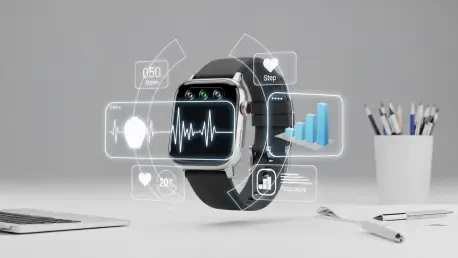

The trajectory of the global wearable electronics sector suggests that smartwatches are no longer peripheral gadgets but central pillars of the modern digital lifestyle. With the market valuation projected to climb toward the hundred-billion-dollar milestone by 2035, the industry is witnessing a transformation from simple smartphone extensions to autonomous health-monitoring hubs. This steady annual growth, maintaining a rate of over 12%, is underpinned by a fundamental shift in consumer behavior where proactive wellness data has become a primary purchase driver. As the current landscape evolves, these devices are increasingly recognized as essential medical-grade tools that democratize access to personal biometrics. The integration of sophisticated sensors capable of tracking cardiovascular health, respiratory patterns, and even neurological stress markers has elevated the smartwatch to a position of necessity. Consequently, the transition toward 2035 will likely see the hardware become so ingrained in daily life that the distinction between health and digital connectivity vanishes.
Regional Forces: Sustaining Global Market Momentum
North America and Europe established a formidable lead in the wearable space, collectively accounting for a massive portion of global revenue through a combination of high disposable income and rapid technological adoption. In these regions, consumers displayed a consistent preference for premium devices that offered advanced features such as satellite connectivity and comprehensive cellular independence. This demand encouraged manufacturers to push the envelope of engineering, ensuring that every new iteration provided tangible improvements in both durability and interface responsiveness. Furthermore, the robust healthcare infrastructure in these territories facilitated a unique ecosystem where wearable data began to find utility in clinical settings. Patients and physicians alike started utilizing the continuous stream of information to monitor chronic conditions, thereby solidifying the market’s value proposition. As the decade progresses toward 2035, this established user base remains a critical testing ground for the high-end innovations that eventually trickle down to all consumers.
While established markets provided stability, the Asia-Pacific region emerged as the primary engine for exponential growth, fueled by a burgeoning middle class and an insatiable appetite for mobile technology. In countries like India, China, and Indonesia, the rapid proliferation of high-speed mobile networks and the availability of diverse price points allowed millions of first-time buyers to enter the ecosystem. This regional shift necessitated a more flexible approach from global manufacturers, who had to balance high-end brand prestige with the practical demands of a value-conscious yet tech-savvy population. Local competitors also played a vital role, introducing localized features and aesthetic designs that resonated deeply with cultural preferences. This competitive pressure accelerated the pace of innovation, leading to a vibrant marketplace where the boundaries between entry-level trackers and high-performance smartwatches became increasingly blurred. By maintaining this momentum, the Asia-Pacific market is set to become the most influential geographic segment, dictating global design trends.
Technical Evolution: The Rise of the Intelligent Assistant
The hardware innovations currently reshaping the industry focus on overcoming the traditional limitations of battery life and display clarity, which were once major hurdles for widespread adoption. Advanced power management systems and the integration of solid-state battery technology have significantly extended the operational time between charges, allowing for truly continuous twenty-four-hour monitoring. Meanwhile, the transition to MicroLED and flexible OLED displays provided users with vibrant, high-contrast interfaces that remained legible even under the harsh sunlight of outdoor athletic activities. These physical improvements were accompanied by a miniaturization of sensor arrays, enabling the inclusion of sophisticated medical-grade components without increasing the bulk of the wristwear. This architectural refinement allowed the devices to transition from rugged sport-centric designs to sleek, everyday accessories that complemented any professional or social setting. As these hardware foundations became standardized, the focus shifted toward the watch as a remote.
Software developments played an equally crucial role in the market’s ascent, as artificial intelligence began to transform raw biometric data into actionable health insights rather than just static charts. Modern operating systems now utilize on-device processing to analyze sleep cycles, heart rate variability, and stress levels in real-time, offering predictive advice to the user before potential issues become critical. This move toward predictive analytics represented a significant departure from the reactive nature of early wearables, positioning the smartwatch as a digital coach and personalized assistant. Moreover, the integration of generative AI allowed for more natural voice interactions, enabling users to manage their schedules, respond to messages, and control smart environments through intuitive conversation. This shift toward a voice-first, hands-free interface reduced the reliance on smartphone screens, further establishing the smartwatch as a standalone device. By prioritizing the user experience through intelligent software, developers ensured that the technology remained indispensable.
Strategic Pathways: Securing Long-Term Viability
The diversification of the consumer base proved to be a pivotal factor in the market’s expansion, particularly as manufacturers began to address the specific needs and preferences of the female demographic. Historically, the wearable market skewed heavily toward male users, but the fastest-growing segment now consists of women seeking a balance between high-level health tracking and sophisticated aesthetic design. This led to a surge in specialized health features, such as advanced menstrual cycle tracking and pregnancy monitoring, which integrated seamlessly into general wellness platforms. Designers also moved away from the ‘one size fits all’ approach, offering a wider array of case sizes, materials, and strap options that catered to personal style as much as functionality. This focus on inclusivity not only broadened the market’s appeal but also increased brand loyalty among a demographic that had previously been underserved by the tech industry. As these devices became fashion statements, the stigma of wearing a gadget in formal settings vanished entirely.
The journey toward the hundred-billion-dollar valuation was defined by a relentless focus on interoperability and the ethical management of user privacy, which remained the two most significant challenges for the industry. Successful manufacturers prioritized the development of open ecosystems that allowed for the seamless exchange of data between different platforms and healthcare providers. They also implemented robust encryption and transparent data-use policies to maintain the trust of a public that was increasingly wary of digital surveillance. As the market matured, it became clear that the true value of the technology lay not just in the hardware itself, but in the long-term utility of the insights it generated for the user. Stakeholders who invested in cross-platform compatibility and rigorous security standards found themselves best positioned to thrive in this high-stakes environment. Looking ahead, the focus shifted toward global health data standardization to ensure that these devices could function as universal medical records, prioritizing human health above all else.