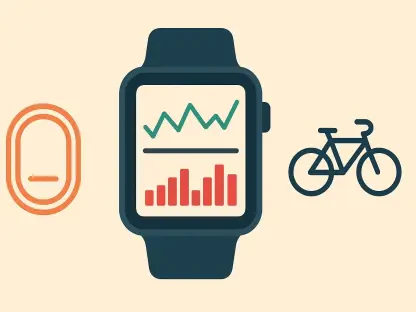

The ubiquity of the glowing wrist-worn display may finally be reaching its saturation point as consumers begin to favor discreet wellness insights over the relentless barrage of notifications and visual noise. Apple, a company that pioneered the high-resolution Retina display on the wrist, is now reportedly investigating a screenless wearable that strips away the glass interface in favor of pure, uninterrupted biometric tracking. This potential pivot signals a fundamental transformation in how technology integrates into daily life, moving from active interaction to passive observation. Instead of competing for visual attention, such a device would focus on the high-fidelity collection of heart rate, sleep cycles, and metabolic markers, operating entirely in the background. The shift reflects a growing realization that the most valuable data often requires the least amount of immediate distraction. By removing the screen, the technology fades into the user’s lifestyle rather than dictating the rhythm of their day through pings and vibrations. This evolution toward “invisible” hardware represents a departure from the traditional smartwatch paradigm, prioritizing long-term health trends over short-term digital engagement. The elimination of the screen is not merely a design choice but a strategic response to a culture increasingly wary of constant digital tethers.
Minimalist Hardware: The Resurgence of Screenless Design
The current technological climate is witnessing a high-tech revival of early industry trends that prioritized simplicity, mirroring the foundational ideas of early pioneers. In the recent year, the market has seen a massive resurgence of minimalist designs, with major players like Google and Garmin launching dedicated health straps that lack a visual interface entirely. This shift suggests that the rapid sell-out of minimalist devices like the newest Fitbit iterations demonstrates a significant appetite for lightweight, sensor-focused hardware that eschews the bulk and fragility of a traditional glass screen. For many users, the novelty of having a tiny computer on their arm has worn off, replaced by a desire for a specialized tool that does one thing exceptionally well. This trend is not about regressing to simpler times but about refining the user experience to its most potent elements, ensuring that the technology serves the person rather than the other way around. As 2026 progresses, the demand for hardware that disappears into the background continues to grow, forcing manufacturers to reconsider the necessity of the display.
Many modern consumers are increasingly prioritizing battery longevity and specialized tracking over the ability to read text messages or browse apps from their wrists. These screenless bands have found a second life by appealing to people who want 24/7 monitoring without the logistical burden of daily charging cycles. By eliminating the most power-hungry component—the OLED display—engineers can extend the operational life of these devices to weeks rather than hours. This durability also makes screenless wearables ideal for extreme environments or high-intensity sports where a glass screen would be a liability rather than an asset. The absence of a screen also allows for a more rugged construction, using materials like aerospace-grade titanium or recycled polymers that can withstand significant impact. This movement indicates that the display is no longer viewed as an essential component for every wearable but rather as one of many options in an increasingly diverse ecosystem. Users are now making a conscious choice to trade visual feedback for a device that remains operational through multi-day adventures and consistent sleep monitoring sessions.
Digital Interpreters: Artificial Intelligence as a Virtual Interface
The primary reason screenless devices are becoming viable again in the current market landscape is the rapid advancement of Artificial Intelligence. In the past, early screenless bands suffered from a “data dump” problem where users were overwhelmed by raw numbers and charts in a mobile app that offered little actionable meaning. Today, sophisticated AI models act as proactive health coaches, translating complex biometrics into natural language explanations that tell a user exactly why they feel exhausted or how they should adjust their daily routine. This shift from data collection to data interpretation removes the need for the user to constantly glance at their wrist for updates. Instead, the heavy lifting is done in the cloud or on a paired smartphone, with the wearable acting as a high-fidelity sensor hub. This sophisticated synthesis of information allows for a more intuitive understanding of personal health, making the physical interface on the device itself largely redundant. As these AI models become more personalized, they learn the unique baseline of the wearer, providing insights that feel less like a clinical report and more like a conversation.
AI also allows for a deeper level of contextual awareness, integrating external variables such as local weather patterns and professional work schedules with internal data like heart rate variability and blood oxygen levels. By identifying subtle shifts in a user’s personal baseline, these systems can flag potential illness or overtraining long before physical symptoms even appear. This offloads the need for a physical screen on the wrist, as the true value of the technology lies in the “understanding” of the data rather than the immediate display of a heart rate number. For example, a user might receive a notification on their phone suggesting a rest day because the wearable detected a slight elevation in resting heart rate combined with a poor sleep score the night before. This level of proactive guidance is far more valuable to a health-conscious consumer than a simple step counter. The intelligence of the backend software essentially replaces the utility of the screen, creating a seamless feedback loop that requires minimal active engagement from the wearer while providing maximum health benefits throughout the day.
The Wrist Advantage: Strategic Benefits Over Smart Rings
While the success of screenless bands is closely linked to the recent explosion of interest in the smart ring market, wrist-based bands offer several distinct physical advantages that rings cannot match. Because a wristband has a much larger surface area than a ring, it can house more sophisticated sensors, better antennas for connectivity, and significantly larger batteries. This additional space allows manufacturers to include advanced technology like multi-wavelength optical sensors and bioimpedance arrays that provide a more comprehensive view of metabolic health. Rings are often limited by their circular form factor, which restricts the placement and size of internal components, frequently leading to compromises in data accuracy or battery life. Furthermore, the wrist is a more stable platform for certain types of monitoring, such as continuous blood pressure estimation or advanced ECG readings. By leveraging the superior real estate of the wrist, a screenless band can provide a level of medical-grade data that remains out of reach for even the most advanced smart rings currently available on the market.
Beyond the technical capabilities, screenless bands are often far more forgiving in terms of fit and comfort, avoiding the logistical hurdles that often complicate the smart ring purchasing process. Buying a smart ring usually requires a multi-step process involving sizing kits and precise measurements, as even a slight change in finger size due to temperature or hydration can affect data accuracy. In contrast, an adjustable wristband can accommodate various wrist sizes and shapes with ease, making it a more accessible option for the average consumer. This flexibility also means that a single device can be easily swapped between different bands to match a user’s style or activity level without needing a whole new piece of hardware. The comfort factor is particularly important for 24/7 wear, as many users find that a flexible strap is less intrusive than a rigid metal ring during sleep or manual labor. These ergonomic benefits, combined with the superior sensor capabilities, position the screenless wristband as a more practical and versatile choice for those seeking a dedicated health monitoring solution without the distractions of a screen.
Business Evolution: Market Positioning and Subscription Models
For a major tech player like Apple, a screenless wearable would likely serve as a strategic addition to its existing hardware lineup rather than a direct replacement for the current flagship watches. This device would perfectly suit sleep-focused users who find the standard watch too bulky for overnight wear, as well as luxury analog watch enthusiasts who want health data without sacrificing their traditional horological style. It allows the company to capture a segment of the market that values aesthetics and physical comfort over a digital wrist interface, effectively broadening the reach of the ecosystem. By offering a “stealth” option, the manufacturer can appeal to professionals who find a glowing screen inappropriate in formal settings or athletes who prefer to use dedicated bike computers or running pods for their primary metrics. This diversification strategy ensures that the brand remains relevant to a wider variety of lifestyles, catering to those who want the benefits of a connected health platform without the aesthetic baggage of a typical smartwatch.
Moving toward a screenless design also supports a significant shift toward a hardware-as-a-service business model that prioritizes long-term engagement over one-time hardware sales. By lowering the cost of entry through the removal of the expensive OLED display and the associated glass-to-metal bonding processes, the company can bring more users into its lucrative health and fitness subscription services. This creates a stable, recurring revenue stream that is less dependent on the high-pressure cycles and hardware innovations required for annual flagship releases. The device essentially becomes a gateway to a broader digital health suite, where the true value lies in the data analysis and personalized coaching provided through a monthly membership. This approach also allows for more sustainable manufacturing, as the absence of a screen simplifies the supply chain and reduces the environmental impact of producing complex display components. Ultimately, the screenless wearable acts as a persistent link between the user’s physical body and the company’s digital services, fostering a deeper level of brand loyalty through consistent, low-friction health monitoring.
Psychological Relief: Reclaiming Focus from the Attention Economy
Perhaps the most compelling argument for a screenless future is the psychological relief it offers from the pervasive “attention economy” that dominates modern life. In an age characterized by a constant barrage of digital noise and the pressure to respond to every ping, a screenless device provides a “quiet” alternative that collects data silently in the background without demanding attention. Interaction occurs only when the user intentionally chooses to engage with their data on a phone, helping to combat digital fatigue and returning a sense of focus to the user’s daily life. This design philosophy recognizes that not every piece of information needs to be consumed immediately; some data is best viewed in aggregate at the end of the day or week. By removing the temptation to check notifications or browse apps on the wrist, the screenless wearable encourages a more mindful relationship with technology. It allows the wearer to stay connected to their health metrics without being tethered to the infinite scroll of the digital world, preserving mental bandwidth for real-world interactions.
The industry recognized that the next logical step for wearable technology involved a transition from notification hubs to invisible health companions. Manufacturers explored how to decouple the sensor suite from the visual interface, which allowed users to reclaim their focus while maintaining a comprehensive digital health record. Strategists looked toward a future where the wristband functioned as a silent sentinel, gathering high-resolution data that artificial intelligence then synthesized into actionable life adjustments. Consumers who adopted this minimalist approach found that they were more present in their daily activities and less prone to the anxiety caused by persistent digital interruptions. Future developments indicated that the most successful devices were those that provided the most value with the least amount of friction, suggesting that the screenless model would eventually become a standard option in any comprehensive technology portfolio. Companies that invested in this direction successfully balanced the need for robust data with the growing demand for mental clarity, setting a new benchmark for how personal technology should serve humanity.