
A significant nationwide simulation of the new emergency alert infrastructure is scheduled to occur between 10:10 am and 10:30 am on Sunday, November 29, 2026. This monumental exercise follows the official unveiling of MySiren by Communications Minister Datuk Seri Fahmi Fadzil, marking a pivotal transition in how the Malaysian government communicates critical safety information to its citizens during life-threatening events. Unlike previous methods that relied on fragmented communication channels, this integrated Early Warning System serves as a unified digital sentinel, capable of reaching millions of residents simultaneously in the event of floods, tsunamis, or hazardous material incidents. The simulation at the Malaysian Parliament demonstrated the speed and efficacy of the platform, highlighting its role as a cornerstone of national resilience. By leveraging modern mobile networks, authorities aim to minimize response times and maximize public safety, ensuring every compatible device acts as a personal alarm.
1. Advanced Infrastructure: The Power of Cell Broadcast
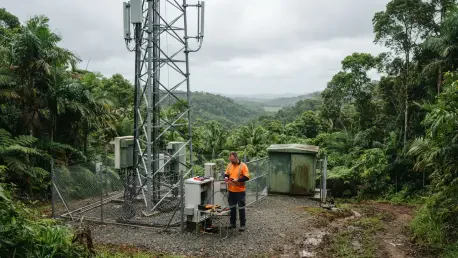
The technological foundation of MySiren rests upon the Cell Broadcast System (CBS), a sophisticated method of data transmission that fundamentally differs from the traditional Short Message Service (SMS) protocols used in the past. While SMS requires a point-to-point connection where a central server must send messages to individual phone numbers one by one, CBS functions as a one-to-many broadcast mechanism. This allows disaster management agencies to push critical notifications to every compatible mobile device connected to specific cell towers within a pinpointed geographical area. The efficiency of this approach cannot be overstated, as it enables the delivery of life-saving information in less than sixty seconds. In contrast, bulk SMS campaigns can take over an hour to reach a similar population size, which is far too slow during rapidly evolving disasters like flash floods. This speed ensures that the public receives the maximum possible lead time for evacuation or taking cover.
Moreover, the MySiren system is engineered to remain operational even when cellular networks experience extreme congestion, which is a common occurrence during mass emergencies when everyone attempts to make calls or access social media simultaneously. Because Cell Broadcast utilizes a dedicated signaling channel that is separate from standard voice and data traffic, the alerts are not hindered by network saturation. Furthermore, the system does not require an active internet connection, meaning users do not need mobile data or Wi-Fi to receive these notifications. This inclusivity is vital for ensuring that residents who have exhausted their data quotas or are traveling in areas with limited internet coverage are not left uninformed. There is also no requirement for citizens to download a separate application or subscribe to a registry; the functionality is integrated directly into the infrastructure, providing a seamless and automated layer of protection that operates independently of user status.
2. Technical Compliance: Ensuring Device Readiness
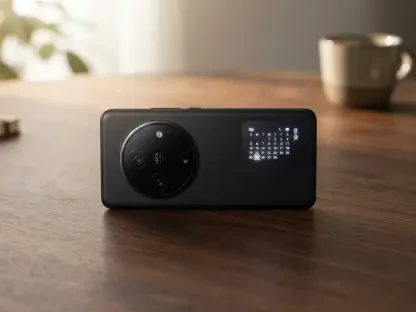
To ensure the widespread effectiveness of the MySiren framework, the Malaysian Communications and Multimedia Commission (MCMC) has outlined specific technical requirements for mobile hardware and software. Compatibility is primarily determined by a device’s support for Wireless Emergency Alerts (WEA) and the presence of Malaysia-specific configuration files within the operating system. For Apple users, the system requires an iPhone 11 or a newer model running at least iOS 27.2. Android users must have devices running Android 12 or a more recent version, while Huawei users need EMUI 16 or later to guarantee full functionality. However, the authorities have clarified that meeting the minimum software version is merely the first step; users must also ensure their phones are updated to the latest available firmware provided by their manufacturers. These updates contain the localized settings that allow the phone to recognize and correctly display the emergency broadcasts for all local networks.
The successful implementation of the nationwide simulation provided essential insights into the operational readiness of Malaysia’s disaster response strategy. Citizens were encouraged to take proactive steps by verifying their notification settings under the Safety and Emergency or Government Alerts menus on their respective platforms. Security experts emphasized that genuine MySiren alerts function exclusively through built-in OS features and never request sensitive information like passwords, banking details, or one-time passwords. By maintaining updated software and familiarizing themselves with the distinct audio cues of the system, residents ensured they remained prepared for future contingencies. The initiative demonstrated that a well-informed public, supported by robust technological infrastructure, remains the most effective defense against natural catastrophes. Moving forward, the government analyzed the test data to refine localized broadcasting precision, ensuring the platform continues to evolve.