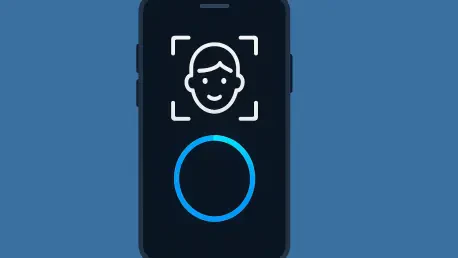

A persistent bug within iOS 27 causes certain iPhone 18 Pro handsets to freeze and restart immediately after the infrared camera fails to recognize a face. This issue has been affecting early adopters since the launch of the new hardware in late 2026. While many users initially feared a hardware defect in the new under-display sensor array, investigations suggest the flaw lies entirely within the software logic of the operating system. Apple has acknowledged the reports and confirmed that a software update is currently in the final stages of testing. Specifically, traces of iOS 27.0.1 have appeared in server logs, indicating that a public release is imminent for early next week. The bug manifests when the system attempts to handle a rejected authentication attempt, causing a kernel panic rather than a simple error message. This particular glitch is frustrating because it disrupts the user experience during common tasks like checking notifications or unlocking secure apps like banking or password managers.
1. Understanding the Under-Display Face ID Glitch
The root of this behavior stems from the structural changes introduced with the iPhone 18 Pro series, where the biometric sensors were migrated beneath the active display pixels. This design allowed the Dynamic Island to be reduced in size by roughly 25 percent, but it introduced new complexities in how the infrared camera receives data. Because the camera must now see through the display layers, the signal processing requires more intensive computational work than previous generations. When environmental conditions such as extreme low light or awkward angles cause a scan to fail, the software fails to properly close the authentication session. Instead of returning the user to the passcode entry screen as intended, the process hangs, leading to a complete system lock-up. Technical analysis reveals that this is not a sign of a failing camera, but rather a code-level oversight in how iOS 27 manages sensor feedback during high-latency recognition events.
Social media platforms and support forums have been flooded with reports from users who experienced the crash while wearing sunglasses or attempting to unlock their phones in bed. These scenarios frequently lead to failed scans, which are the primary triggers for the reboot cycle. It is important for owners to realize that exchanging the device for a new unit at a retail store will not solve the problem, as the replacement hardware will still be running the same version of iOS 27. Since the bug is localized to the operating system’s interaction with the new sensor hardware, every iPhone 18 Pro currently on the shelf remains susceptible to the issue until the patch is applied. Apple’s confirmation of the fix has brought some relief to the community, as it clarifies that the sophisticated under-display technology is fundamentally sound. The forthcoming update is expected to refine the error-handling protocols, ensuring that a failed match results in a manual prompt rather than a crash.
2. Verification Steps and Interim Workarounds
Users who have experienced sudden reboots can verify if their device is suffering from this specific software bug by checking the internal diagnostic logs provided by the system. To do this, one must launch the Settings app, navigate to the Privacy & Security section, and select Analytics & Improvements. From there, tapping on Analytics Data will reveal a list of system events recorded on the device. By searching for a “panic” log with a timestamp that matches the moment of the restart, owners can confirm the presence of the glitch. If the log indicates a kernel panic related to the biometric subsystem, it serves as definitive proof that the issue is the documented iOS 27 bug. This diagnostic step is crucial for peace of mind, as it helps distinguish between a known software flaw and a potential hardware failure that might require professional repair. Once the panic log is identified, users can be certain that their hardware is functional and simply awaiting a scheduled software refinement.
The community of early adopters looked toward the release of the next major revision as a turning point for the stability of under-display sensor technology. Engineers prioritized the optimization of sensor-to-pixel interference patterns to prevent similar kernel panics in future hardware iterations. The experience taught users the importance of maintaining local backups before applying major architectural updates to their primary devices. It was also noted that the interaction between third-party security apps and the system-level authentication had to be re-evaluated to ensure consistent performance across all use cases. These developments ensured that the initial hurdles of the new display design did not overshadow the significant biometric advancements achieved in late 2026. The proactive approach taken by the software teams facilitated a smoother transition for millions of users who eventually benefited from the refined authentication logic. This period of rapid adjustment ultimately strengthened the relationship between the manufacturer and its most dedicated user base.