
Silent tills no longer existed; every mobile money receipt now pinged tax systems that stitched buyer and seller into one auditable story, turning once-anonymous paybills into bright signals on a national compliance radar. That shift mattered because mobile money had become the backbone of trade, and Kenya’s e-invoicing plus data-matching regime reframed compliance for MSMEs that relied on speed, volume, and fragmented cash flows. This article tracked the crackdown mechanics, the data and trends behind it, field enforcement, practitioner perspectives, and next steps for both businesses and regulators.
The Data-Driven Compliance Shift in Kenya’s Mobile Money Economy
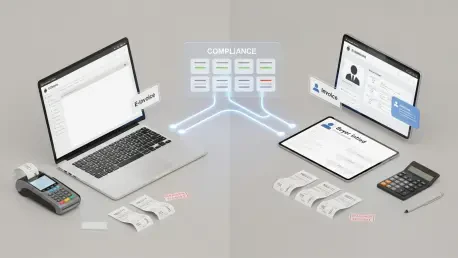
Kenya’s tax architecture moved from trust to verification, anchoring oversight in eTIMS for sellers above the Sh5 million threshold and in buyer-initiated invoices on eCitizen for purchases from sub-threshold traders. Two-way invoicing created dual records, aligning transaction trails across counterparties and making underreporting harder.
As eTIMS onboarding accelerated, digital receipts multiplied and tighter rails formed between tax systems and mobile money. Signals followed: more electronically verifiable invoices, fewer gaps where counterparty data matched, and a rise in automated compliance notices. KRA circulars, CBK mobile money statistics, and budget policy notes reinforced the scale and direction of travel.
Adoption, Growth, and the Rising Tide of Digital Oversight
Penetration and transaction volumes kept climbing, and paybills or tills dominated everyday retail and B2B settlements. With each hop, timestamps, transaction IDs, and customer identifiers anchored trades to specific entities.
Moreover, buyers logging invoices for sub-threshold suppliers ensured at least one side filed. That single act reliably exposed mismatches, nudging small traders into formal records even when they had not issued invoices.
Enforcement in Practice: How KRA Finds Hidden Sales Despite Rotating Paybills
The core tactic remained simple: cross-match the counterparty. If the buyer filed and the seller stayed silent, the system flagged the inconsistency and queued a notice. Rotation across tills failed because metadata still bound the sale to the trader’s footprint.
Retailers and restaurants who split tills across outlets saw dots reconnected; wholesalers’ bulk orders logged by buyers surfaced missing supplier sales; professional retainers paid via mobile money triggered discrepancies when no invoice followed. The sequence—flagging, targeted notices, requests to regularize, then penalties—drew on eTIMS logs, eCitizen entries, and bank or mobile statements.
Perspectives from the Front Lines of Compliance
KRA’s leadership, voiced by Acting Commissioner-General Lilian Nyawanda, underscored that every transaction had two sides and that linkages revealed true sales. That framing set expectations for persistent, data-led audits.
Tax practitioners largely backed standardized invoicing but warned about MSME onboarding gaps and documentation quality. MSME groups raised cost and literacy concerns, while mobile money providers and fintechs adapted platforms for invoice identifiers and cleaner APIs; policy analysts pressed for guardrails on privacy and practical dispute channels.
The Road Ahead: Scenarios, Impacts, and Strategic Responses
Deeper API integrations, wider buyer-initiated invoicing, and real-time risk scoring appeared likely. Those moves promised broader bases, fairer competition, and cleaner audit trails that could unlock credit and supply-chain trust.
Yet frictions lingered: micro-trader onboarding, data protection, false positives, and the risk of migration to cash if trust slipped. Retail and food service faced daily reconciliations, FMCG distributors drove compliance cascades, and services or gig work shifted toward standardized e-invoices. Smart operators mapped all tills to tax IDs, enforced eTIMS issuance, archived buyer-initiated invoices, and automated reconciliations.
Conclusion and Call to Action
Two-way invoicing and counterparty cross-matching had made rotating paybills ineffective, and data-driven audits tightened the net across mobile money commerce. The practical path forward hinged on aligning identifiers, embracing eTIMS discipline, and preparing teams for targeted notices while regulators paired enforcement with training and clear dispute routes. Platforms that improved invoice tagging and data quality set the tone for trust, and businesses that aligned early gained resilience, smoother access to credit, and stronger standing in formal supply chains.