
The release of KDE Plasma 6.7.4 marks a significant milestone in the ongoing pursuit of providing users with a high-performance and incredibly reliable Linux desktop environment for daily use. As the development community shifts its focus toward long-term stability following the major architectural transition seen in earlier versions of the six series, this latest point release emphasizes the elimination of persistent regressions and the optimization of core system components. Users who have integrated this environment into their professional workflows often prioritize consistency over new features, making these maintenance updates essential for maintaining productivity. By addressing a wide range of reported issues from the global community, the contributors have ensured that the desktop shell remains responsive even under heavy computational loads. This commitment to refinement demonstrates the maturity of the current framework, allowing for a more seamless transition between diverse hardware configurations for everyone. Throughout 2026, the focus remained on polishing these foundational elements to support a broader range of professional applications.
Technical Refinement: Core Architectural Improvements
Stabilizing the Window Manager and Display Protocols
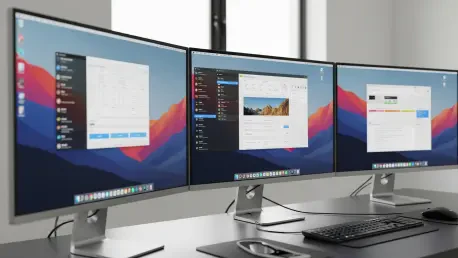
One of the primary areas of focus in this update involves the substantial stabilization of KWin, the window manager and compositor that serves as the backbone of the entire visual experience. Significant adjustments were made to the Wayland session handling to prevent unexpected shell crashes when disconnecting external displays or waking the system from a prolonged sleep state. These fixes are particularly important for users utilizing multi-monitor setups with varying refresh rates, where synchronization issues previously led to minor visual artifacts or input lag. Furthermore, the handling of graphics buffers has been optimized to ensure that memory is released correctly after applications are closed, preventing the gradual resource leakage that could degrade performance over time. By refining the interaction between the compositor and the underlying hardware drivers, the development team has managed to provide a smoother frame rate during high-intensity tasks across multiple gpu architectures. This layer of reliability ensures that the desktop remains a steady platform for demanding creative applications and complex multitasking.
Refining Interface Logic and Application Integration
Beyond the low-level system improvements, the update introduces critical fixes to the user interface logic that govern how daily tasks are performed within the Plasma Shell. For instance, the Task Manager and Icon-only Task Manager received patches to address incorrect icon scaling and window grouping behaviors that occurred during specific workspace transitions. These small but frequent interactions are the touchpoints of the user experience, and resolving their inconsistencies significantly reduces cognitive friction during navigation. Additionally, the System Settings modules were scrutinized to fix broken links and non-responsive toggles that occasionally appeared in localized versions of the software. Discover, the integrated software management center, also benefited from improved backend communication, ensuring that update notifications and package installations are more reliable across different Linux distributions without requiring manual user intervention. These corrections collectively contribute to a sense of polish that characterizes the modern desktop, ensuring that the visual elements behave exactly as expected.
Strategic Maintenance: Actionable System Recommendations
The deployment of KDE Plasma 6.7.4 successfully resolved numerous legacy issues while setting a new standard for the reliability of the desktop environment. Users who updated their systems noticed an immediate improvement in the handling of session persistence and the overall responsiveness of the plasma widgets. Looking ahead, the focus moved toward a more modular update cycle that allowed for even faster resolution of hardware-specific edge cases. For those seeking the most stable experience, ensuring that all dependent libraries are updated alongside the main desktop components remained a critical step. Administrators and developers began leveraging these refinements to build more resilient workstations that benefited from the robust architectural foundation established in this release. The transition to this version encouraged a wider adoption of Wayland as the default protocol, as the stability gaps between legacy and modern display technologies were effectively closed. This iterative approach to development ensured that the platform evolved without sacrificing the dependability required by users.