
Nia Christair is a powerhouse in the mobile industry, bringing a wealth of experience from the front lines of app development and enterprise hardware design. Having spent years navigating the complexities of mobile gaming and productivity solutions, Nia has a unique perspective on how small adjustments in device management can lead to massive gains in daily efficiency. This conversation dives deep into the art of contact management on Android, exploring how to break free from manufacturer-specific silos, the strategic use of labels to categorize professional and personal circles, and the advanced automation features that turn a simple list of names into a powerful communication hub.
Many users find themselves locked into manufacturer-specific apps, like Samsung’s proprietary contacts service, which can limit data access across different devices. From your perspective in app development, why is making the switch to a platform-agnostic tool like Google Contacts such a critical move for a professional?
The reality is that manufacturers like Samsung often prioritize keeping you within their own universe over providing a truly flexible user experience. Their default contacts app, which usually features a glaringly bright red icon, lacks the smart features and the cross-platform agility that a modern professional needs to stay productive. When you rely on a proprietary service, you are essentially tethering your data to a single brand of hardware, making it much more difficult to access your information from a computer or a different type of device. By switching to Google Contacts, you’re choosing a service that is smarter, more pleasant to use, and completely agnostic, ensuring that your data moves with you whether you’re on a laptop or a new phone from a different maker. It’s about breaking free from a self-serving ecosystem so that your most vital information is always available exactly where you need it.
You’ve described the average contact list as a “sprawling goulash” of people from every era of our lives, from clients to college friends. How do you recommend using labels to transform this chaos into a functional productivity tool?
Think of labels not as rigid folders, but as flexible stickers that you can apply to any number of people in your life. You might create a broad “Work” label for everyone at your company, but then refine it with a “Team” label for those you interact with every single day. This allows you to break down that massive lump of contacts into meaningful groups, such as specific subsets of clients or even a fun list for every person you know named Josh. Once you’ve applied these labels—which you can do by tapping the pencil-shaped editing icon and scrolling to the labels section—you gain the ability to filter your view instantly. It’s a sensory relief to open the app and see an orderly list of only the 5 or 10 people relevant to your current task rather than scrolling through hundreds of entries.
Maintaining a clean contact list is often the hardest part of digital hygiene, yet the “Merge & Fix” feature seems to simplify this significantly. Can you walk us through how this feature changes the way we manage duplicates and outdated information?
The “Merge & Fix” feature, found under the “Organize” tab at the bottom of the screen, is like having an intelligent assistant who constantly audits your data for you. It identifies instances where you might have 2 separate contact entries for the same person and offers to combine them in one fell swoop, which is incredibly satisfying for anyone who hates clutter. The app also flags when it has found more up-to-date info for your existing contacts or suggests adding people you email frequently but haven’t saved yet. Following these suggestions one by one makes the process “easy peasy,” transforming a task that used to take an hour of manual cross-referencing into something that takes seconds. It’s about more than just tidiness; it’s about ensuring that when you hit “call,” you’re using the most current number available.
For someone looking to shave minutes off their daily communication, what hidden features or shortcuts within the contact profiles provide the biggest “productivity upgrade”?
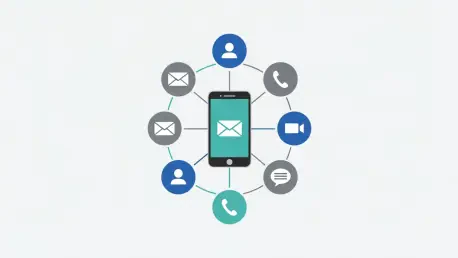
One of the most overlooked efficiency boosts is the ability to initiate group communications directly from a label; if you have a group of people tagged, you can simply tap the three-dot menu and select “Send email” or “Send message” to start a thread instantly. Inside a person’s profile, you’ll also find one-tap icons for calling, texting, emailing, or even starting a Google Meet video call, which saves you from jumping between different apps. I’m also a huge fan of the recently added custom calling cards, which let you set a background image and control exactly what appears on your screen when a specific person calls. For your highest-priority people, you can even add square-shaped widgets to your home screen that feature their photo, providing a literal one-tap link to reach them. These shortcuts turn your home screen into a personalized dashboard for your most important relationships.
Managing unwanted interruptions is just as important as staying connected. How can the advanced settings in a contact profile help a user regain control over their focus and time?
The Google Contacts app provides several granular ways to handle different types of callers, such as the “Send to voicemail” option for that overly eager recruiter or a relative who calls at the most inconvenient times. If a caller is truly persistent and unwanted, the “Block numbers” feature ensures you never have to deal with them again. On the flip side, for the people who matter most, you can tap the hollow star in the upper-right corner of their profile to mark them as a favorite. This not only puts them at the top of your list and in a prominent area of your Phone app but also grants them special privileges to bypass Do Not Disturb mode. It’s a powerful way to filter the noise of the world while ensuring that the 2 or 3 people who might actually have an emergency can always get through.
What is your forecast for the future of mobile contact management?
I believe we are moving toward a future where contact management is less about a static list and more about an AI-driven “relationship intelligence” hub that anticipates our needs. We are already seeing the beginnings of this with profiles that show “Recent activity” and live weather updates for the person’s location, and I expect these insights to become even deeper. In the next few years, I anticipate your contacts app will proactively suggest the best time to reach someone based on their time zone and your previous interaction patterns. We will likely see a shift where your phone doesn’t just store a name and a number, but actively helps you maintain and strengthen your professional and personal networks through automated reminders and context-aware suggestions. Management will become less of a chore and more of a strategic advantage for mobile productivity.