
While standard Chromebooks will continue to serve the education sector, the more powerful Chromebook Plus models are expected to eventually merge into the new Googlebook OS. This transition signifies a profound departure from the budget-oriented roots of the Chrome ecosystem, steering the platform toward a sophisticated future where premium performance is the standard. By 2026, the hardware landscape has shifted as Google seeks to compete directly with established industry leaders in the high-end ultraportable segment. The goal is no longer just to provide a simple gateway to the web, but to offer a comprehensive, integrated computing experience that rivals the most powerful devices. This strategy involves a deep synthesis of mobile versatility and desktop productivity, leveraging the Android app library to create a unified ecosystem. Professionals now demand machines that are as capable of intense creative work as they are of daily document editing tasks for their business.
High-Performance Hardware and Premium Builds
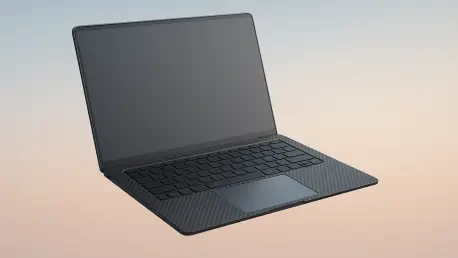
The commitment to premium quality is most evident in the choice of materials and internal components that define the new Googlebook category. Manufacturers have abandoned the plastic builds of previous generations in favor of sophisticated magnesium-alloy, carbon fiber, and CNC-machined aluminum chassis. Under the hood, these machines are powered by cutting-edge silicon, including Intel’s Panther Lake Core Ultra Series 3 and Qualcomm’s Snapdragon X Elite processors. These chips provide the necessary computational headroom to execute complex generative AI tasks locally while maintaining energy efficiency. This hardware shift ensures that the devices can handle professional-grade software and multitasking without the thermal throttling or lag often associated with entry-level laptops. By establishing these high-performance benchmarks, Google is effectively signaling to the market that its operating system is ready for the rigors of modern enterprise and creative workflows in any setting.
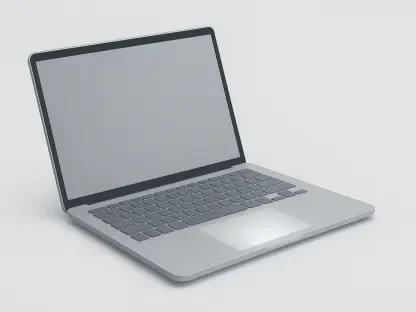
Beyond raw processing power, the sensory experience of using a Googlebook has been meticulously refined to meet the expectations of discerning professionals. Standard specifications now include high-resolution OLED touchscreens with peak brightness levels exceeding 600 nits and vibrant 2.8K resolutions. These panels offer color accuracy that was previously unavailable in the Chrome ecosystem, making them viable tools for photo editing and media consumption. Tactile feedback has seen a similar upgrade, with the integration of glass haptic touchpads that provide precise clicks and backlit keyboards designed for long-term comfort. Security features have also evolved, with biometric authentication via facial recognition and fingerprint sensors becoming a universal standard across the lineup. These advancements transform the laptop from a utilitarian tool into a refined piece of technology that balances aesthetic elegance with functional durability for all modern power users.
Strategic Model Lineups and Specialized Features
The market introduction of Googlebooks is supported by a diverse array of flagship models from industry heavyweights such as Dell, Lenovo, and Acer. The Dell XPS Googlebook, for instance, translates the renowned design language of the XPS series into this environment, offering a nearly bezel-less display and a robust aluminum frame starting at a competitive entry point. Lenovo has taken a different approach with its Googlebook 15, which utilizes carbon fiber to keep a large-screen device under three pounds, catering to professionals who require screen real estate without the burden of extra weight. Meanwhile, the Acer Googlebook 14 targets the creative demographic with its versatile two-in-one hinge and support for advanced USI 2.0 styluses. This variety ensures that the new platform can appeal to a broad spectrum of users, from corporate executives to digital artists, each finding a device that fits their specific ergonomic and performance requirements during the workday.
The introduction of the Googlebook successfully shifted the public perception of Google’s hardware from budget-friendly tools to high-performance professional workstations. This transition proved that an AI-first operating system could thrive when paired with elite hardware and a robust ecosystem of services. Looking forward, professionals should have evaluated their current hardware lifecycles and considered how the deep integration of Gemini AI could have streamlined their daily operations. The decision to invest in this platform was driven by a need for a secure, long-lasting device that unified mobile and desktop workflows into a single stream. For many, the strategic move was to embrace these hybrid environments early, ensuring they remained competitive in an increasingly automated landscape. The successful rollout of these devices established a new benchmark for what a premium laptop could achieve, providing clear evidence that the luxury market was ready for a serious contender.