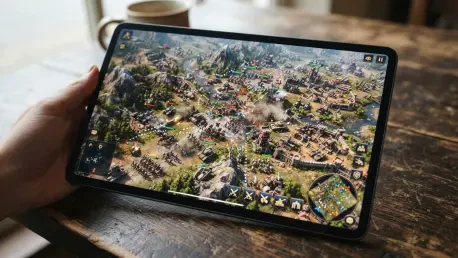

Indie developers are increasingly utilizing the mobile space to experiment with radical genre hybrids, such as blending traditional street cricket with three-versus-three shooter mechanics involving explosives. This bold approach to game design served as a cornerstone of the inaugural Mobile Premiere event, which took place on October 28, 2026, in Bangkok, Thailand. Organized by GamingonPhone, the showcase represented a decisive moment for the handheld industry, providing a dedicated platform for exclusive reveals and significant technical updates that are usually reserved for console-centric conferences. By coinciding with the 6th edition of the GamingonPhone Awards, the event established a centralized hub that celebrated the rapid maturation of the mobile ecosystem. The shift in focus toward high-production values and mechanical complexity signals that the industry has successfully moved beyond its reputation for casual distractions, positioning mobile devices as a primary destination for serious gaming innovation and global community engagement.
Elevating Gameplay Through Genre Innovation and Ports
Expanding the Reach: Hardcore and Narrative Gaming
One of the most significant takeaways from the showcase was the increasing viability of hardcore experiences on handheld devices. The announcement of the Darkest Dungeon II port by Playdigious and Red Hook Studios highlights a clear trend toward bringing complex, high-stakes gameplay to mobile formats. This title is known for its brutal turn-based combat and oppressive atmosphere, and its transition to mobile indicates that developers are now willing to commit to the extensive optimization required for high-end handheld hardware. Similarly, Outfit7 Neo introduced Vampirio: Defend & Survive, which offers a sophisticated take on the survival genre by incorporating day-night cycles and intricate resource management. These reveals demonstrate that the mobile audience has evolved, with players now seeking titles that provide substantial strategic depth and punishing consequences for failure. This shift suggests that the platform is no longer just a space for simplified versions of bigger games but a robust ecosystem where intellectual stimulation is a primary driver of success.
The event also emphasized a move toward cinematic storytelling and atmospheric puzzles, effectively moving the platform further away from basic gameplay loops. Planet of Lana II: Children of the Leaf stands as a prime example, promising an emotionally resonant adventure that utilizes environmental narrative to engage the player’s imagination. This sequel continues to explore the lush world of the planet Novo, proving that narrative-driven experiences can find a permanent and profitable home on small screens. In tandem with this, mystery titles like Cages: Hidden Worlds and The Roottrees Are Dead showcase the intellectual diversity of the platform. These games require players to solve complex mechanical riddles and piece together fragments of lore within highly detailed 3D environments. By prioritizing atmosphere and player agency, these developers are redefining the handheld experience as a medium for serious artistic expression. The success of these titles indicates a growing consumer appetite for games that prioritize mental engagement and narrative integrity over repetitive mechanics.
The Technical Bridge: Fidelity and Tactical Sophistication
Technological parity between mobile devices and traditional gaming machines is reaching a peak, as evidenced by the high-fidelity titles presented during the Bangkok showcase. StarVaders represents this leap in technical sophistication, seamlessly integrating deck-building mechanics with mech combat and a unique time-rewinding system. This level of mechanical depth requires not only powerful internal hardware but also a deep understanding of touch-interface optimization to ensure that complex strategies remain intuitive for the user. Developers are increasingly leveraging advanced game engines to provide lighting effects, physics simulations, and texture resolutions that were once the exclusive domain of high-end PCs. This technical bridge allows for a more fluid exchange of creative ideas between platforms, as mobile-first innovations start to influence larger industry standards. The resulting landscape is one where the choice of device is dictated by user convenience rather than a trade-off in visual quality or mechanical complexity.
The sports and tactical shooter sectors are also experiencing a massive leap in simulation quality and realism. Football League 27 demonstrated this by focusing on deep career mode enhancements and competitive league structures that offer a level of detail previously unseen in the handheld space. Meanwhile, Blackout Force provides a cover-based tactical shooting experience that is optimized for high-intensity sessions without sacrificing realistic movement or ballistic logic. These games are no longer just mobile versions of existing franchises; they are comprehensive simulations built from the ground up to utilize the unique strengths of persistent connectivity and portable hardware. By offering deep career paths and persistent online rankings, these titles foster long-term commitment from their player bases, proving that the mobile platform can sustain professional-level competitive play. The maturation of these specific genres indicates that the mobile ecosystem is fully capable of hosting complex simulation logic, further solidifying its status as a primary destination for serious gamers.
Technological Integration and Evolving Services
Future Foundations: Social and AI-Driven Experiences
Innovative technology took center stage with titles like Bobium Brawlers, which utilizes generative concepts to turn player descriptions into unique, playable characters. This integration of creative artificial intelligence tools suggests a future where player input directly shapes game assets and combat mechanics, moving well beyond the static content of previous development cycles. In this new paradigm, players act as co-creators, describing their ideal fighters and watching as the engine renders them with unique stats and visual flair. This level of personalization creates a deeper emotional connection between the user and the software, as every experience becomes tailor-made. Moreover, it highlights a broader industry movement toward utilizing advanced algorithms to handle procedurally generated content, allowing smaller teams to produce massive amounts of variety. This shift not only democratizes certain aspects of game development but also ensures that gameplay remains fresh and unpredictable over hundreds of hours of interaction.
Beyond individual creativity, the showcase underscored a massive industry shift toward social connectivity and collaborative interaction. Even established franchises that began as solo arcade experiences are adapting to the modern demand for multiplayer functionality. The introduction of competitive modes in Swamp Attack 2 reflects a broader consensus that social interaction is essential for maintaining player retention in a saturated market. By allowing players to compete or collaborate in real-time, developers are creating digital communities that exist far beyond the confines of the game’s initial launch period. Similarly, titles like Top Guilds emphasize cooperative play, forcing players to work together to achieve common goals and share rewards. This move toward social integration is about building sustainable ecosystems where the community drives the narrative and the long-term viability of the product. As mobile networks continue to provide lower latency, the technical barriers to high-stakes competitive play are vanishing, paving the way for a more connected gaming culture.
Persistent Worlds: The Maturation of Service Models
The Mobile Premiere served as a critical platform for the games-as-a-service model, demonstrating how persistent worlds are being maintained through consistent, high-quality updates. Titles such as Aniimo introduced massive expansions that did more than just add new regions; they incorporated community-created creatures into the official game world. This collaborative approach between developers and players ensures that the game evolves in a direction that the audience actually desires, fostering a sense of ownership among the user base. Meanwhile, the expansion of Where Winds Meet into the vast Qingzhou region showcases the sheer scale of modern mobile open-world titles, featuring coastline-oriented environments that rival console maps in both size and detail. These updates emphasize that a modern game launch is merely the beginning of its life cycle, with studios committing to years of support and content delivery. This model provides stable revenue for developers while offering players an evolving experience that rewards long-term dedication.
Furthermore, the Live 2.0 update for Sword of Justice introduced a creative fusion of steampunk clockwork and traditional martial arts, illustrating the current trend of genre-bending aesthetics. This willingness to experiment with established lore and mechanics demonstrates a high level of confidence in the mobile audience’s willingness to embrace unconventional ideas. By blending disparate cultural and technological themes, these games offer unique visual and mechanical experiences that differentiate them in an increasingly crowded marketplace. Moreover, these updates often include significant overhauls to the underlying game engines, improving performance and visual fidelity for the latest devices while maintaining compatibility for a wider range of hardware. This balancing act is crucial for global success, as it allows developers to target diverse markets without sacrificing the artistic vision of their most advanced content. As the industry moves forward, the ability to successfully manage these live services will be the primary factor in determining which titles achieve lasting cultural relevance.
The Global Development Landscape
Sustainable Growth: Indie Creativity and Production Cycles
The dedicated indie spotlight provided a glimpse into the experimental side of the industry, where niche innovation thrives away from the pressure of major corporate mandates. From the tactical grit of Metal Haven to the eccentric, explosive mechanics of Bihari Cricket, independent developers are pushing boundaries through aggressive genre hybridization and unconventional themes. These smaller studios serve as essential testing grounds for new ideas, ensuring that the mobile market remains diverse and creatively vibrant amidst the rise of major global franchises. The trends observed at the showcase also point toward a maturing industry defined by significantly extended development cycles. For years, mobile games were often rushed to market to capitalize on fleeting trends, but the titles slated for release through 2027 indicate a move toward a multi-year production cadence. This shift allows for more rigorous testing and deeper storytelling, creating products that have a much higher chance of achieving long-term impact and player loyalty.
The choice of Bangkok as the host city for this inaugural event is a testament to the globalized nature of modern game development. Southeast Asia has rapidly emerged as a primary hub for mobile gaming culture, acting as both a massive consumer market and a center for high-level technical talent. The decentralized nature of modern production is further highlighted by the inclusion of studios from Finland, Japan, Slovenia, and the United States, all contributing to a single, unified narrative of innovation. This cross-pollination of ideas and styles is leading to a more diverse range of titles that appeal to a truly global audience, moving the industry away from region-locked trends. Furthermore, the establishment of such a high-profile event in a region that has historically been underserved by traditional gaming conferences marks a significant shift in industry power dynamics. As local developers gain more visibility on the international stage, the types of stories and mechanics found in mobile games are becoming more varied and representative of a broader range of global cultures.
Strategic Outcomes: Lessons From the 2026 Showcase
The first edition of The Mobile Premiere successfully demonstrated that the handheld platform had moved beyond its initial role as a secondary market. By consolidating twenty-two distinct updates and world premieres into a single event, the showcase established a vital new tradition that celebrated mechanical depth and artistic ambition. Developers proved that they were capable of managing complex development timelines and delivering high-fidelity content that challenged the long-standing status quo of the broader gaming industry. The event functioned as a catalyst for a shift in perception, forcing global stakeholders to recognize mobile devices as a primary engine for technical and creative innovation. The success of the showcase underscored the importance of creating dedicated spaces for mobile-first titles, ensuring that they were not overshadowed by multi-platform giants. This period was characterized by a newfound sense of professionalism and a commitment to quality that defined the trajectory of the industry as it moved into the next year of growth.
Moving forward, the primary takeaway for the industry was the necessity of integrating community-driven content and creative AI tools to maintain long-term engagement. The success of titles that utilized generative concepts suggested that the next wave of market leaders would be those who empowered players to influence the game world directly. For publishers, the actionable insight from this cycle was the requirement for sustained investment; the market signaled that high-quality, multi-year projects generated far more engagement than low-effort clones. Ensuring that social connectivity and competitive balance were baked into the core architecture of new projects became essential for surviving in an environment where player retention was the most valuable metric. As development cycles continued to lengthen, the focus remained on mechanical depth and narrative integrity to solidify the gains made during this transformative showcase. By embracing these strategic directions, the mobile gaming ecosystem expanded its influence and continued to redefine the boundaries of interactive entertainment on a global scale.