
The software's current limitation to 3DoF means users can experience rotation-based VR content but lack the positional tracking found in 6DoF systems. Portable gaming consoles like the Steam Deck have fundamentally changed how users interact with their digital libraries, yet the dream of a
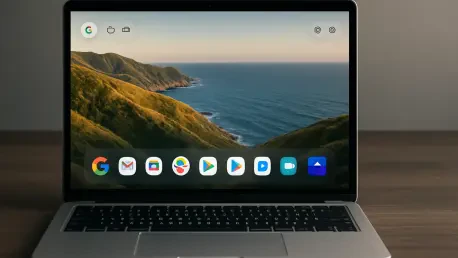
The inclusion of advanced Gemini AI features may offer novelty, but these tools struggle to compensate for the fundamental lack of a robust, native desktop software library. As the hardware market evolves in 2026, the transition from the legacy ChromeOS framework to the more robust Googlebook OS

Transforming a 12-inch AMOLED tablet into a dedicated hiking GPS provides a visual clarity and topographical detail that standard five-inch smartphone screens simply cannot match. This revitalization of legacy hardware, such as the Samsung Galaxy TabPro S, serves as a compelling case study for

Motorola’s decision to bypass two chip classes in a single generation with the Elite Extreme processor focuses heavily on the demands of on-device artificial intelligence. This strategic pivot comes at a time when the North American smartphone landscape has grown increasingly narrow, leaving
A premium support tier for Linux Mint would offer direct access to expert technicians, providing the safety net that enterprise users and novices often require. In 2026, the open-source landscape has matured significantly, yet the persistent challenge of mainstream accessibility remains a central

The Googlebook’s specialized Files app leverages artificial intelligence to allow users to search for images based on visual content rather than just relying on standard filenames. This breakthrough serves as a cornerstone for a device that seeks to dismantle the long-standing wall between mobile