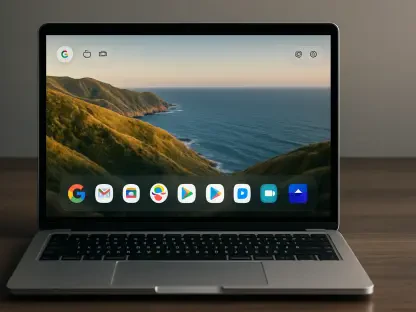
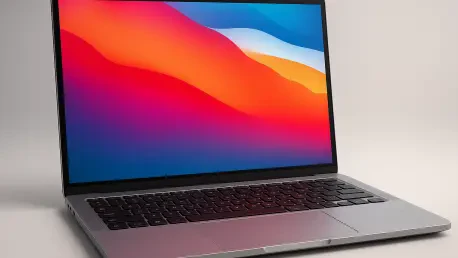
Hardware standards for the Googlebook mandate high-resolution touchscreens and sleek metal chassis to ensure these devices compete directly with flagship laptops like the MacBook Neo and Dell XPS 13. This emergence represents a calculated departure from the budget-centric identity long associated

Resource allocation for modern virtual machines has become highly granular, allowing users to dedicate specific physical cores and memory blocks for optimized guest performance. For years, the computing community struggled with the limitations of dual-booting, a method that required a single hard

The superior pixel density and color accuracy of a 1440p OLED laptop screen provide a visual fidelity that the Steam Deck’s 800p resolution simply cannot replicate. This stark contrast highlights the primary tension in the current hardware market, where consumers must decide between specialized

Qualcomm’s Snapdragon X chips will power three of the initial Googlebook releases, highlighting a commitment to efficiency and high-speed mobile performance. This strategic pivot signals a departure from the traditional perception of Google-branded laptops as strictly entry-level educational tools.

Redox OS avoids the common tech debt found in 1970s-era Unix designs by implementing a modular architecture where the core kernel remains as small as possible. While the computing world has spent decades building layers of security patches over the aging foundations of monolithic C-based kernels,

If the StepX Neo delivers on its promises, the user experience will shift from being app-centric to being entirely intent-centric. The current smartphone market is witnessing a fundamental transformation where raw hardware power and camera megapixels no longer serve as the primary differentiators