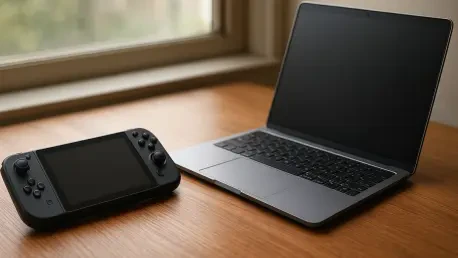

The superior pixel density and color accuracy of a 1440p OLED laptop screen provide a visual fidelity that the Steam Deck’s 800p resolution simply cannot replicate. This stark contrast highlights the primary tension in the current hardware market, where consumers must decide between specialized immersion and raw technical capability. As the industry moves through 2026, the distinction between these two categories has become more than just a matter of screen size; it is a fundamental choice about how a person integrates digital entertainment into their daily existence. The landscape of portable gaming underwent a massive transformation when Valve first disrupted the status quo, yet the traditional gaming laptop has fought back with significant advancements in thermal efficiency and integrated graphics. With the rising costs of semiconductors driven by the global demand for artificial intelligence components, both devices now occupy a similar financial tier, making the decision-making process more rigorous than ever before for buyers seeking the best value for their money.
The Case for the Steam Deck: Ultimate Portability and Efficiency
The specialized design of the Steam Deck serves a philosophy of accessibility that a clamshell device cannot hope to match in highly restrictive environments. Because the controls are built directly into the chassis of the handheld, there is no requirement for a flat surface, a dedicated desk, or even a stable lap to maintain a session. This ergonomic freedom proves to be a decisive factor for individuals who find themselves frequently navigating the cramped quarters of airplane tray tables, public transit, or tight commuter spaces. The ability to engage in snackable gaming sessions—brief periods of play that can be started and stopped instantly—remains the primary draw for the handheld enthusiast. While a laptop requires several seconds to unfold and often needs a perimeter for a mouse or external controller to be truly effective, the Steam Deck is ready for action the moment it is retrieved from a bag, providing a seamless transition from the real world into a digital landscape.
Beyond the physical form factor, the Steam Deck excels through a sophisticated synergy of efficient silicon and highly tuned software optimization. Operating on the Linux-based SteamOS, the device manages its power envelope with a level of precision that many high-performance laptops struggle to replicate when disconnected from a wall outlet. Under specific configurations, such as implementing a 30 frames-per-second cap on less demanding titles, the hardware can sustain operations for up to 12 hours on a single charge. This level of endurance is specifically engineered for the traveler who may not always have access to a power source during long-haul flights or remote excursions. Although the transition to a Linux desktop environment presents a steeper learning curve for users accustomed to traditional operating systems, the console-like interface simplifies the gaming experience, stripping away the background processes and distractions that often plague Windows-based machines.
The Case for the Gaming Laptop: Raw Power and Productivity
For the user who requires a single machine to handle every facet of their professional and personal life, the gaming laptop remains the unchallenged gold standard of versatility. Unlike a specialized handheld, a modern laptop functions as a comprehensive productivity powerhouse, offering a familiar Windows or macOS environment that supports a vast library of professional software. Users are not required to navigate complex terminal commands or learn the nuances of a new file system just to install basic office applications or manage professional creative suites. This makes the laptop an essential tool for those who follow the “work hard, play hard” lifestyle, where the transition from an intensive spreadsheet session to a high-fidelity boss fight must be instantaneous and reliable. The presence of a full physical keyboard and a precise trackpad ensures that the machine is as effective for drafting emails or coding as it is for navigating a complex role-playing game menu.
The disparity in visual performance and raw computational overhead becomes particularly apparent when comparing high-end gaming titles on both platforms. Laptops equipped with discrete graphics units, such as modern Nvidia or AMD mobile GPUs, easily achieve stable performance at 1080p or 1440p resolutions, far outstripping the 800p ceiling of the Steam Deck. Through the implementation of advanced features like frame generation and AI-driven upscaling, these laptops are significantly better positioned to handle the demanding requirements of future game releases. This future-proofing ensures that the hardware remains relevant for several years, providing a level of graphical fidelity that aging handheld architectures simply cannot sustain as software becomes more resource-intensive. Furthermore, the larger screen real estate offered by 14 to 17-inch displays creates a far more immersive experience for cinematic gaming and media consumption, making the laptop the logical choice for enthusiasts.
Making the Final Choice Based on Your Lifestyle
The financial reality of 2026 suggests that the most effective way to navigate this choice is to analyze the value found in the pre-owned market versus retail pricing. As the price for a new 1TB Steam Deck OLED hovers near the $950 mark, it enters a space where high-performance laptops are frequently discounted during seasonal sales. However, the handheld becomes a dominant value proposition when sourced through secondary markets, where prices for well-maintained units can drop significantly. At these lower price points, the competition from the laptop sector often consists of machines with compromised build quality or outdated internal components that may not provide a satisfactory long-term experience. Potential buyers must weigh the premium of a brand-new device against the potential savings of used hardware, while also considering that a laptop offers a much wider range of utility for the same initial investment, effectively serving as both a workstation and an entertainment hub.
Prospective owners successfully navigated the complex hardware market by prioritizing their specific environmental needs over generic performance benchmarks. Those who valued mobility above all else chose the specialized handheld for its ergonomic superiority and impressive battery longevity during transit. Conversely, individuals requiring a robust platform for both academic and professional endeavors found that the laptop provided a more comprehensive solution that justified its larger footprint. The historical data indicated that the most satisfied users were those who accurately assessed their daily routines before committing to a purchase. Moving forward, the industry will likely see even more convergence as integrated graphics continue to improve, yet the fundamental choice between a focused console experience and a versatile computing environment remained the primary deciding factor. The decision ultimately rested on whether a user sought to escape into a game or needed a device that could effectively manage the complexities of modern digital life.