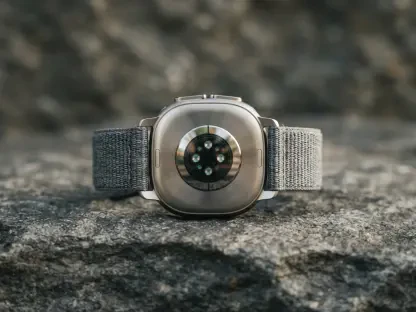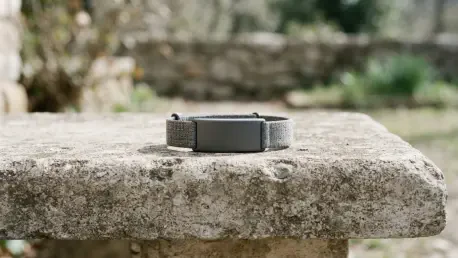

The Fitbit Edge integrates an ECG app and skin-temperature sensing to provide users with a holistic view of their health while maintaining its identity as a dedicated fitness tracker. This mid-tier device represents a strategic pivot in the wearable landscape, signaling a direct challenge to the dominance of more expensive smartwatches with a specific focus on high-performance athletic utility. Priced at AUD $269, the Edge serves as a vital bridge between entry-level trackers and premium models, aiming to capture a demographic that is increasingly tired of the daily charging cycles required by power-hungry alternatives. Google’s marketing leans heavily on the physical profile of the hardware, claiming the case is 45 percent lighter than the Apple Watch Series 12. At just 17.7 grams, the Edge prioritizes long-term comfort for intense physical training and sleep tracking. However, the design reveals a complex engineering trade-off; while lighter, the device is 11.5 mm thick, making it slightly more prominent than its rivals.
Technical Innovations: Performance and Display Enhancement
The device introduces a 1.34-inch AMOLED touchscreen, which offers a significant 46 percent increase in total viewing area compared to previous-generation Fitbit trackers. This expanded real estate allows for much better readability of real-time metrics, such as heart rate zones and specific pace data, which is essential for athletes who need to check stats mid-stride. A major addition to the user interface is the physical side button, which effectively solves a persistent complaint among fitness enthusiasts regarding touchscreen unresponsiveness during heavy perspiration or rain. This tactile input ensures that navigation remains reliable even during high-intensity interval training or long-distance outdoor runs. By combining high-definition visual feedback with dependable mechanical controls, Google has managed to bridge the gap between aesthetic modernity and functional necessity. This design philosophy suggests a focus on the core community of users who value practical performance over purely decorative features.
Under the hood, the internal hardware has received a massive overhaul, most notably in its upgraded built-in GPS system. Google claims that this new iteration offers a 40 percent improvement in tracking accuracy over earlier models, which is a critical development for outdoor athletes navigating complex urban environments or dense, wooded trails. Accurate distance tracking is no longer just a luxury but a fundamental requirement for users training for competitive events like a HYROX session. Furthermore, the housing is crafted from recycled aluminum, reflecting an industry-wide shift toward more sustainable manufacturing practices in consumer electronics. This choice of material does not just appeal to the environmentally conscious consumer but also contributes to the device’s durability and lightweight feel. The integration of high-performance sensors within a rugged, eco-friendly chassis demonstrates a sophisticated approach to modern engineering, ensuring that the device can withstand the rigors of daily use while maintaining its form.
Strategic Market Positioning: Sustainability and Data Utility
A groundbreaking aspect of this release is the commitment to longevity through a repairable, modular design. In a significant departure from the traditional disposable nature of fitness trackers, the Edge is the first Fitbit to feature serviceable internal components and a replaceable battery. This move is a direct response to the growing global demand for Right to Repair standards, which seek to extend the lifecycle of electronics. By allowing users to replace a dying battery or a damaged screen rather than forcing them to purchase an entirely new unit, Google is positioning the product as a more sustainable long-term investment. This stands in sharp contrast to several premium competitors that often receive low repairability scores due to the use of heavy adhesives and proprietary assembly methods. The modular approach not only saves the consumer money over several years but also significantly reduces the amount of electronic waste generated by the rapid upgrade cycles common in the technology market.
The launch of this modular fitness tracker provided a blueprint for how manufacturers could successfully balance high-performance health monitoring with environmental responsibility. By choosing to prioritize repairability and battery longevity over redundant lifestyle features, the design team addressed the core frustrations of long-term wearable users. Moving forward, consumers should evaluate their fitness needs by looking beyond the initial purchase price and considering the total cost of ownership, especially regarding repairability and subscription requirements. Athletes seeking a dedicated tool for data accuracy and durability found that this device filled a significant void in the mid-range market. The industry has now moved toward a standard where hardware longevity is as important as the sensors themselves. This shift encouraged a more sustainable approach to tech consumption, proving that high-tech health tracking does not have to come at the expense of the planet. Future buyers should focus on modular benefits.