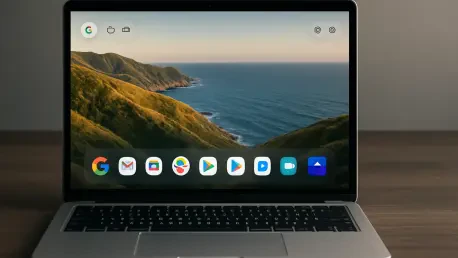

The inclusion of advanced Gemini AI features may offer novelty, but these tools struggle to compensate for the fundamental lack of a robust, native desktop software library. As the hardware market evolves in 2026, the transition from the legacy ChromeOS framework to the more robust Googlebook OS signals a pivotal moment for mobile-to-desktop convergence. By setting the entry price at $899, Google is asking consumers to evaluate whether a polished, Android-based experience can truly replace the established workflows of macOS and Windows. This pricing strategy places the device in direct competition with high-performance machines like the MacBook Neo, which currently starts at a more accessible $699. While the aesthetics of the hardware are undeniable, the underlying financial paradox remains: paying a premium for a mobile-centric system that often forces users into restricted, “lite” versions of professional tools. For many, this investment feels like a gamble on the future of an ecosystem that is still finding its feet.
The Technical Realities: A Mobile-First Architecture
The shift toward an Android-first philosophy on a laptop form factor introduces a series of technical challenges that often compromise the professional user experience. For over a decade, the promise of a web-only computing future dominated the corporate narrative, yet the arrival of the Googlebook OS acknowledges that native applications remain the gold standard for productivity. However, most existing applications within the Play Store were built for the vertical, touch-based orientation of smartphones rather than the horizontal, mouse-driven environment of a high-end laptop. This creates a disconnect where windows often scale awkwardly, and interface elements feel oversized or poorly placed on a high-resolution display. Without a massive overhaul of how these apps interact with traditional desktop inputs, the operating system risks feeling like a collection of stretched mobile interfaces. This lack of refinement can be a significant deterrent for users who require precision and efficiency in their daily professional tasks.
Nowhere is the discrepancy between hardware price and software utility more apparent than in the creative software sector. While marketing materials frequently showcase the device running industry-standard names like Adobe Photoshop, it is the mobile iteration of these programs that is actually being utilized. These versions typically lack the comprehensive plugin support, advanced layer management, and heavy-duty processing capabilities found in their full desktop counterparts on competing platforms. To address these concerns, Google introduced new labeling systems in the Play Store, such as “Optimized for Desktop,” but these tags often achieve the opposite of their intended effect. Instead of instilling confidence, they serve as a warning to the user that the ecosystem is fragmented and that many essential tools may not function with the expected level of sophistication. For a professional or a student, this uncertainty makes it difficult to justify a nearly nine-hundred-dollar investment over a device with full desktop capabilities.
The Economic Logic: Ecosystem Stagnation Factors
A recurring concern for the Googlebook OS is the potential for a self-perpetuating cycle of low adoption and limited development resources. Historically, new operating systems face a “death spiral” where high hardware costs prevent a broad user base from forming, which in turn discourages third-party developers from investing the time necessary to optimize their applications. If the consumer base remains small due to the premium pricing, developers have little incentive to move beyond basic smartphone ports toward truly desktop-class software experiences. This lack of high-quality software then makes the hardware even less attractive to the average shopper, further suppressing sales figures. While niche additions like a Linux terminal environment are included to attract power users and developers, these features are rarely enough to drive the mass-market volume required for long-term sustainability. Without a compelling library of optimized apps, the platform struggles to provide a unique value proposition that justifies its cost over existing, more established ecosystems.
Consumer trust is another significant factor that complicates the market positioning of the Googlebook OS. Google has a well-documented history of launching ambitious projects only to discontinue them a few years later if they fail to meet specific growth metrics. For someone looking to purchase a primary laptop in 2026, the prospect of spending $899 on a hardware platform that might lose manufacturer support within a few hardware cycles is a daunting consideration. This reputation for volatility creates a “wait and see” attitude among early adopters, which can be fatal for a platform that needs immediate momentum to survive. Even with the integration of advanced Gemini AI features intended to modernize the user experience, the underlying fear of planned obsolescence or sudden service termination remains a heavy weight on the platform’s potential. Unlike the stability offered by the long-standing Windows or macOS environments, the Googlebook OS must prove its longevity in an industry that has become increasingly wary of experimental hardware from major tech giants.
The Competitive Landscape: Gaming and Market Standing
The gaming capabilities of the Googlebook OS also face significant scrutiny, particularly when measured against the standards set by native desktop environments. In 2026, the gaming market relies heavily on massive libraries available through platforms like Steam or the Epic Games Store, yet Google’s strategy remains tethered to mobile titles and cloud-based streaming. While services like Nvidia’s GeForce Now provide a pathway to high-end gaming, they are not exclusive to the Googlebook and can be accessed on much cheaper hardware, including basic tablets or budget-friendly laptops. This redundancy makes it difficult for the device to stand out as a primary entertainment hub for enthusiasts. Windows continues to dominate this space with native hardware acceleration and driver support, while macOS has expanded its gaming footprint significantly. Without the ability to run high-fidelity games locally, the Googlebook OS is largely viewed as a secondary device for casual mobile gaming, which does not align with the premium price point being demanded from prospective buyers.
The historical context of Google’s past gaming initiatives continues to influence current market perceptions and developer interest. The abrupt closure of the Stadia cloud gaming service and the cancellation of the Steam for Chromebooks beta project have left a lasting impact on the gaming community’s trust. Gamers and developers are often hesitant to invest time and money into a platform where the fundamental services could vanish without much warning. This legacy of inconsistency makes the gaming proposition of the Googlebook OS feel more like a temporary patch than a permanent solution. When consumers compare the $899 price tag to a dedicated gaming laptop or a well-equipped console, the value of a device that primarily offers mobile-grade entertainment becomes increasingly questionable. To overcome this skepticism, the platform would need to secure long-term partnerships and provide a native gaming experience that matches the performance and stability found in competing ecosystems, a feat that currently seems out of reach for the Android-based framework.
Strategic Considerations: Future Viability and Success
The evaluation of the Googlebook OS as a premium computing solution revealed significant gaps between its high-end price and its practical functionality. The analysis showed that while the hardware design was impressive, the reliance on a mobile-first architecture hindered the device’s ability to compete with traditional desktop operating systems. Decision-makers and consumers were forced to weigh the benefits of Gemini AI integration against the limitations of a software ecosystem that lacked full-featured professional applications. For those seeking a primary productivity machine, the MacBook Neo and high-performance Windows alternatives remained more viable options due to their robust native software support. Moving forward, potential buyers should have prioritized their specific workflow requirements over the novelty of a new operating system. Successful adoption of this platform required a clear commitment from developers to move beyond mobile ports and toward true desktop optimization. Ultimately, the market landscape suggested that a more cautious approach to premium mobile-integrated laptops was the most prudent path.
The strategic landscape of 2026 demanded that users looked beyond the initial allure of artificial intelligence and focused on the long-term reliability of their hardware investments. It became clear that the successful integration of a mobile-centric OS into a professional environment required more than just premium materials; it required a fundamental shift in how applications were developed and deployed. Investors and early adopters were encouraged to seek out platforms that offered the highest degree of interoperability and native performance to ensure their digital tools remained effective over several years. The decision to invest in the Googlebook OS was ultimately viewed as a choice between a streamlined, AI-driven future and the proven versatility of established desktop standards. Those who prioritized native software compatibility and robust gaming performance found that existing alternatives provided a better return on investment. Consequently, the industry moved toward a more critical assessment of how premium pricing should have reflected the actual utility of the underlying operating system.