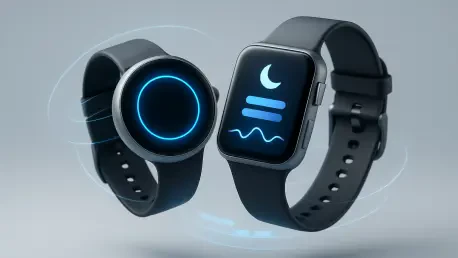
Google’s Super AMOLED Actua screen on the Pixel Watch 5 wraps around the curved edges of the device to create a striking minimalist look that closely mimics high-end traditional timepieces. This design choice highlights a significant shift in the wearable market as we move through 2026, where the

Competitive mobile players often prioritize stability and routing efficiency, which specialized VPN protocols provide by optimizing the path between the device and game servers. Modern mobile gaming has undergone a massive evolution, shifting from basic casual puzzles to complex, high-fidelity

The GSMA specifications for the RCS Universal Profile ensure interoperability, yet the technical complexity of deployment has created an accidental gatekeeper in Google. This transition was originally pitched as a collaborative effort among carriers and manufacturers to harmonize the disjointed
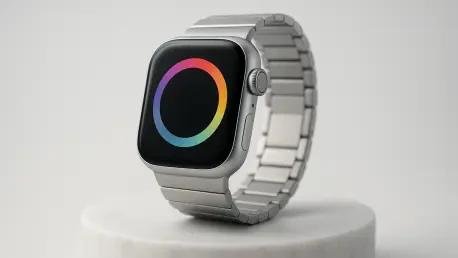
The Google Pixel Watch 5 distinguishes itself by integrating the Gemini AI framework directly into the hardware to process voice commands without an internet connection. This milestone reflects a broader industry shift toward edge computing, where privacy and latency are prioritized over
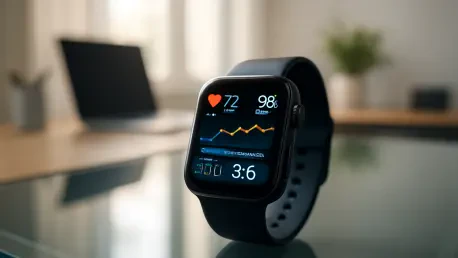
The release of the Google Pixel Watch 5 marks a major turning point for the wearable industry, shifting the focus from basic activity tracking to deep metabolic health management. By moving beyond simple step counts and heart rate monitoring, Google is attempting to provide users with a proactive

The traditional landscape of mobile videography has long been shackled by the physical limitations of handheld stability, forcing creators to choose between bulky external accessories or the resolution-destroying nature of digital cropping. This fundamental shift in design philosophy sees the Honor