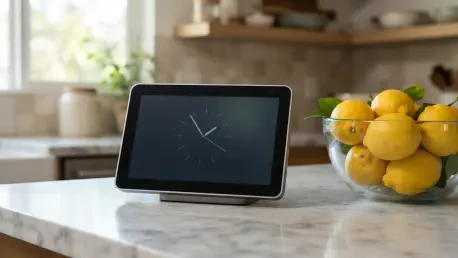

The seven-inch Liquid Retina display was specifically chosen to provide glanceable information like security feeds and recipes without competing with the primary television. On October 13, 2026, Apple fundamentally shifted the trajectory of its residential hardware strategy by unveiling the Apple HomeView, a device that aims to serve as the unified central nervous system for the modern household. Historically, the company’s presence in the domestic sphere remained somewhat fragmented, with users bouncing between the mobile utility of the iPhone, the audio-centric focus of the HomePod, and the entertainment-heavy Apple TV. This new smart display bridges these gaps by offering a permanent, shared interface that transitions from a passive informational screen to an active, context-aware command center. By establishing a dedicated hardware presence that sits on a kitchen counter or mounts to a hallway wall, the company is attempting to claim the hearth of the home. This move represents more than just a new gadget; it is a strategic maneuver to ensure that the Apple ecosystem is not just something people carry in their pockets, but something they inhabit. While the initial reveal focused on the sleek industrial design and intuitive user interface, the underlying significance lies in how the device intends to solve the long-standing friction points of smart home management through superior hardware integration and local processing.
Physical Architecture: Designing for the Modern Home
The aesthetic and physical footprint of the HomeView highlights a deliberate departure from the utilitarian plastic designs often found in the budget-friendly smart display market. Apple has developed two primary configurations to address the diverse layout of modern residences: a versatile tabletop model and a specialized wall-mounted version. The tabletop build is characterized by a high-grade aluminum chassis and a distinctive domed speaker base that provides both significant acoustic resonance and structural stability. This base serves as the anchor for a polished stainless-steel hinge, which is a key mechanical differentiator in this product category. Unlike many competitors that force users into a fixed viewing angle, this hinge allows for fluid tilt adjustments, ensuring the screen remains legible whether the user is standing over a kitchen cutting board or sitting at a dining table. The materials chosen reflect a commitment to durability and a premium tactile feel, positioning the device as a piece of high-end furniture rather than a disposable piece of consumer electronics that would eventually be hidden away in a drawer.
Furthermore, the wall-mounted variant of the HomeView targets a different segment of the residential market, focusing on professional-grade home automation and space optimization. By removing the speaker base and offering a flush-mount solution, the company provides an eye-level control panel that mirrors the sophisticated setups found in custom-integrated luxury homes. This version emphasizes the device’s role as a monitoring station for the entire household, allowing for quick checks of security perimeters or climate control settings without cluttering horizontal surfaces. The integration of Liquid Retina technology across both models ensures that color accuracy and brightness remain consistent regardless of the ambient lighting conditions in different rooms. This technical consistency is vital for maintaining the brand’s visual standards, especially when displaying high-resolution security footage or vibrant family photo albums through the redesigned digital frame mode. The transition between these two physical forms demonstrates a nuanced understanding of domestic architecture, where the needs of a cluttered kitchen differ significantly from the requirements of a streamlined entryway.
Computational Foundations: The Power of Silicon
Internal reports and technical summaries indicate that the HomeView is powered by the A18 chip, marking a radical shift in the computational capabilities of the smart display category. Most current devices in this space rely on low-power microcontrollers or aging mobile processors to minimize costs, often resulting in sluggish interface transitions and delayed responses to voice commands. By utilizing the same high-performance silicon found in flagship smartphones, Apple provides the HomeView with the necessary overhead to handle complex local processing tasks without relying on cloud-based servers for every interaction. This localized power is the foundation for what the company calls Proactive Intelligence, a system designed to anticipate user needs based on environmental cues and historical patterns. The presence of such a robust processor ensures that the user interface remains fluid and responsive, maintaining a high frame rate that matches the expectations set by modern tablets and high-end laptops, effectively eliminating the lag that often frustrates smart home users.
This significant investment in silicon also enables the HomeView to process intensive machine learning algorithms entirely on-device, which is critical for real-time facial recognition and gesture control. When a user approaches the display, the A18 chip rapidly analyzes biometric data to identify the individual and adjust the interface accordingly, a task that would typically require significant latency if handled through remote servers. Beyond just biometric identification, the processor manages complex audio processing for the domed speaker system, utilizing computational audio techniques to map the room and optimize sound delivery. This ensures that whether the device is playing a podcast or facilitating a FaceTime call, the audio clarity remains exceptional. By avoiding the common trap of under-powering household hubs, the company ensures that the HomeView can evolve through software updates for several years, effectively future-proofing the hardware against the increasing demands of more sophisticated artificial intelligence models that are expected to emerge throughout the late 2020s.
Biometric Innovation: Personalized User Experiences
The introduction of advanced camera-based biometrics represents the most significant innovation within the HomeView ecosystem, effectively solving the account bleed problem that has long plagued shared household devices. In many smart home environments, a single device must cater to multiple residents, often leading to privacy concerns or a muddled user experience where one person’s notifications and preferences interfere with another’s. The HomeView addresses this by using its integrated camera system to recognize specific family members as they enter its field of view. Once identified, the 7-inch display dynamically updates to present a customized dashboard featuring that specific user’s calendar events, private message threads, and curated media recommendations. This transformation allows the device to function as a truly personal assistant for every member of the household, shifting the paradigm from a static shared screen to a fluid, multi-user interface that feels intuitive and responsive to individual needs.
Privacy remains at the forefront of this biometric implementation, with the company asserting that facial data is never transmitted to external servers or stored in a way that could be accessed by third parties. The localized nature of this recognition system is intended to build consumer trust, particularly as users become more cautious about placing cameras in private living spaces. Beyond just displaying personal data, the recognition system allows for customized scenes and automations that trigger automatically based on who is present. For instance, if a parent enters the kitchen in the morning, the device might highlight their work commute and daily schedule, whereas it might show educational apps or age-appropriate media if a child approaches. This level of granular personalization ensures that the technology recedes into the background, providing relevant information only when necessary and maintaining a clean, unobtrusive presence for those who are not currently interacting with it, thus fulfilling the promise of a truly intelligent home environment.
Ecosystem Integration: Managing the Smart Home
The HomeView serves as the definitive visual dashboard for the modern smart home, leveraging its position as a primary hub for Matter-compatible devices to streamline the management of complex household ecosystems. For years, the smart home market has struggled with fragmentation, requiring users to navigate a maze of disparate apps to control lighting, climate, and security. By integrating these controls into a single, intuitive interface, the HomeView allows users to manipulate their environment through a combination of touch, voice, and automated triggers. The visual layout provides a bird’s-eye view of the home’s status, making it easy to see at a glance which doors are locked, which lights are active, and what the current temperature is in various zones. This centralized approach reduces the cognitive load on the user, transforming the smart home from a series of disconnected gadgets into a cohesive and manageable system that enhances the overall quality of daily life within the residence.
Furthermore, the device acts as a dedicated monitoring station for security, providing high-resolution feeds from doorbells and perimeter cameras directly on the Liquid Retina display. The Center Stage technology, previously seen on the iPad, is utilized during video calls to keep the user in the frame as they move around the room, making it an ideal communication tool for busy households. Beyond security and communication, the HomeView integrates deeply with media services, functioning as a high-fidelity speaker that can synchronize with other audio devices throughout the home. The domed base is engineered to deliver a rich soundstage, ensuring that the device is as much an entertainment center as it is a utility hub. By combining these diverse functions—home control, security monitoring, video communication, and high-quality audio—into a single physical unit, the company has created a multi-purpose tool that justifies its permanent placement in the home’s most frequented areas, effectively becoming an essential utility for modern living.
Strategic Market Impact: Beyond the Hardware
The launch of the HomeView marks a critical evolution in the company’s broader service-revenue strategy, creating a new surface for user engagement within the residential environment. Every minute a user spends checking a recipe, controlling their lights, or making a FaceTime call on the HomeView is a minute spent within a controlled ecosystem, which naturally reduces the likelihood of platform churn. By offering a fixed device that is always on and always accessible, the company increases the visibility of its subscription services, including Apple Music, Apple TV+, and iCloud+. This strategic placement ensures that the household’s digital life remains centered around a specific hardware brand, reinforcing the value of maintaining an all-inclusive suite of devices and services. The HomeView acts as the glue that binds together the personal utility of the iPhone and the shared experience of the living room, creating a seamless transition between mobile and stationary digital interactions.
In addition to boosting internal service usage, the HomeView is expected to trigger a significant halo effect for third-party accessory manufacturers. The presence of a premium, dedicated control surface encourages consumers to invest in more high-end smart home peripherals, such as smart locks, advanced thermostats, and sophisticated lighting systems that carry the Works with Apple Home certification. This creates a lucrative sub-market for accessories designed specifically to complement the HomeView’s aesthetic and functional capabilities, such as custom wall mounts or designer tabletop stands. By establishing the hardware standard for the luxury smart home, the company not only secures its own market share but also dictates the direction of the entire industry. This move signals a transition from being a provider of individual tools to becoming the architect of the home’s underlying digital infrastructure, a role that offers long-term stability and continued growth in an increasingly competitive technological landscape.
Security Paradigms: Privacy in the Living Room
In the current technological climate, the introduction of a camera-equipped hub into the most private areas of the home necessitates a rigorous commitment to security and transparency. The HomeView enters a market where consumers are increasingly wary of data harvesting and the potential for unauthorized surveillance. To combat this skepticism, the company has prioritized privacy by design, ensuring that the device features physical indicators for camera and microphone activity that cannot be bypassed by software. Furthermore, the reliance on localized processing for facial recognition and voice interpretation serves as a powerful argument against the always-listening stigma associated with early smart speakers. By keeping sensitive data confined to the device’s internal storage and utilizing end-to-end encryption for any cloud-based backups, the manufacturer seeks to set a new industry benchmark for residential privacy standards that competitors will likely be forced to follow.
However, the inclusion of biometric sensors also places the HomeView under the intense scrutiny of global privacy regulators, particularly in regions with strict data protection laws like the European Union. The company must navigate a complex legal landscape regarding how biometric data is handled, even if it remains on-device. There is a continuous need for technical documentation that proves the efficacy of these privacy measures to independent auditors and government bodies. For the HomeView to gain widespread acceptance beyond the core enthusiast base, the brand must demonstrate that its privacy promises are backed by verifiable engineering and transparent policies. This involves not only clear user-facing controls but also a proactive approach to addressing potential cyber-insurance gaps where users fear the financial or personal repercussions of a hardware compromise. Successfully managing these regulatory and social hurdles will be just as important as the hardware specs themselves in determining the product’s long-term viability in the global market.
Future Trajectory: The Evolution of Residential Tech
As the HomeView establishes its initial foothold, the industry is already looking toward the inevitable expansion of this new product category. Historically, successful first-generation releases are followed by a diversification of form factors to address different price points and use cases. Analysts anticipate that the current 7-inch model will eventually be joined by a Pro version featuring a larger 13-inch display, designed specifically for intensive kitchen use or professional home-office command centers where more screen real estate is required. Conversely, a smaller Mini variant could replace traditional alarm clocks in bedrooms, offering a scaled-down version of the interface focused on sleep tracking and simple smart home controls. This tiered approach would allow the company to capture a wider demographic, from high-end homeowners seeking a complete automation solution to budget-conscious users looking for a sophisticated entry point into the ecosystem.
The software foundation of the HomeView also presents significant opportunities for rapid iteration and the introduction of new features. Whether the device runs a specialized version of iPadOS or an entirely new homeOS, the ability to deploy frequent updates ensures that the hardware can adapt to emerging smart home standards and artificial intelligence capabilities. This software agility is essential for remaining competitive against rivals who are likely to release reactionary updates to their own smart display platforms throughout 2027 and beyond. Over the next several years, the HomeView is expected to become more integrated with other emerging technologies, such as augmented reality and health monitoring sensors, further cementing its role as the central hub for the digital household. The initial release is just the opening chapter in a long-term strategy to define the next decade of residential computing, where the interface is no longer a separate tool but a natural extension of the home itself.
Final Considerations: Implementing the Smart Hub
The Apple HomeView effectively addressed the need for a unified, high-performance interface within the domestic environment, setting a clear standard for materials and local intelligence. By integrating the A18 chip and specialized biometrics, the manufacturer demonstrated that the smart home experience could be both personalized and private. Moving forward, homeowners prioritized the assessment of their current network infrastructure to ensure it could support the low-latency requirements of a high-bandwidth hub like the HomeView. It became advisable for users to begin migrating toward Matter-certified accessories, as this ensured the greatest degree of cross-platform compatibility and longevity for their smart home investments. Professionals in the home automation space took note of the wall-mounted design, which suggested that flush-mount installations would likely become a standard request for new residential constructions and high-end renovations during the late 2020s.
In the months following the launch, the focus shifted toward how the developer community would leverage this new hearth interface to create apps specifically for shared household use. For consumers, the decision to integrate such a device necessitated a review of personal data sharing settings and an understanding of how facial recognition profiles would be managed among different family members. Looking back, the successful deployment of this hardware provided a roadmap for how technology could move from being a distraction to being a seamless, invisible assistant. Those who embraced the platform early found that the investment in a centralized command center simplified daily routines and provided a more secure method for monitoring their property. The HomeView’s legacy was defined by its ability to turn the complex web of smart gadgets into a coherent, user-friendly system that finally lived up to the long-standing promises of the automated home environment.