
External hardware solutions like the Volam eleven-inch wireless screen bridge the digital divide for vehicles lacking modern integrated audio and visual infrastructure. While mechanical longevity remains a hallmark of well-maintained cars, the digital lifespan of a dashboard often terminates long before the engine requires a rebuild. A vehicle manufactured just a few years ago might feel hopelessly outdated because its proprietary infotainment system cannot keep pace with the rapid evolution of smartphone applications. This technological stagnation creates a frustrating disconnect for drivers who expect seamless connectivity. Rather than succumbing to the pressure of purchasing a brand-new vehicle or committing to an invasive, multi-hundred-dollar dashboard teardown, many owners are discovering that a portable smart screen offers a high-performance alternative. These devices serve as a portal, leveraging the processing power of a modern smartphone to deliver a sophisticated user interface that effectively brings any cockpit into the present day without permanent modifications. This transition allows drivers to maintain their current car’s reliability while enjoying the conveniences of a connected world.
Cost-Effective Hardware and Integration Methods
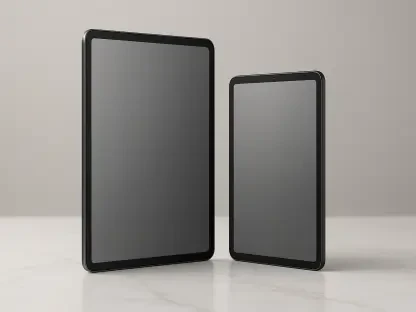
The entry point for modernizing a vehicle has shifted from permanent, expensive installations to highly flexible, external hardware. Devices like the Volam screen or repurposed high-resolution tablets utilize the Open Headunit protocol to mimic the factory Android Auto experience at a fraction of the traditional cost. These screens typically mount to the dashboard or windshield, connecting to the car’s existing sound system via AUX cables, FM transmitters, or Bluetooth links. By decoupling the display from the vehicle’s internal computer, the owner ensures that the most expensive part of the upgrade is also the most durable. Unlike factory-installed systems that are essentially locked in time the moment they leave the assembly line, these third-party displays act as secondary monitors for the user’s smartphone. This allows the car’s “brain” to be upgraded whenever the driver buys a new phone, ensuring that the interface remains snappy and responsive regardless of the vehicle’s mileage. This method effectively democratizes technology by making smart features accessible to everyone.
Beyond the financial savings, the versatility of external hardware addresses specific ergonomic challenges found in older cabin designs. Many vehicles from the previous decade feature dashboards with non-standard dimensions or integrated climate controls that make a traditional double-DIN head unit replacement nearly impossible. A standalone wireless screen bypasses these mechanical barriers entirely, allowing for optimal placement that does not obstruct the driver’s line of sight or access to physical buttons. This setup also offers a level of portability that integrated systems lack; the screen can be moved between different family vehicles or tucked away when the car is parked in a high-traffic urban area. The integration of wireless connectivity protocols means that the connection is established automatically the moment the driver enters the car, eliminating the need for fumbling with cables. This seamless transition transforms a mundane commute into a high-tech experience, proving that a premium digital environment is no longer a luxury reserved for the newest and most expensive models.
Navigation Precision and Live Traffic Awareness
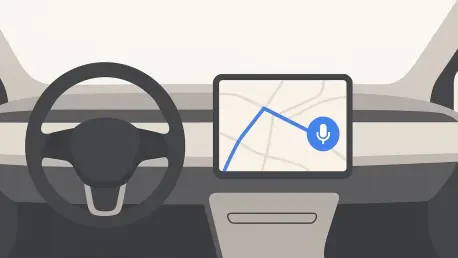
Transitioning from a static, built-in GPS or a small smartphone screen to a dedicated large-format display represents a significant leap in both convenience and safety. Android Auto centralizes navigation onto a vibrant, high-contrast screen that provides legibility even in direct sunlight. This shift eliminates the dangerous habit of distracted squinting at a phone balanced on an air vent, which often compromises the driver’s focus. Whether utilizing Google Maps or Waze, the system provides clear, turn-by-turn directions with high-resolution imagery that makes complex highway interchanges much easier to navigate. This visual clarity is matched by the underlying data, which is far more accurate than any factory-installed navigation disc could ever be. By drawing from live cloud databases, the system ensures that every point of interest, from a new coffee shop to a recently opened bypass road, is available at the driver’s fingertips without requiring expensive or manual map updates. This ensures the car stays relevant in a world of changing infrastructure.
The true power of modern navigation lies in its ability to adapt to changing road conditions through real-time traffic management and community-generated alerts. In a typical driving scenario, Android Auto constantly monitors the route for congestion, accidents, or construction delays, offering proactive rerouting options to save time and reduce stress. By integrating community-driven platforms like Waze, drivers gain access to a wealth of crowd-sourced information regarding speed traps, road debris, and stalled vehicles. This collective intelligence creates a safer and more predictable driving environment, allowing the operator of an older car to benefit from the same high-level data available to drivers of high-end, connected vehicles. This proactive approach to road safety and efficiency demonstrates that a car’s functional intelligence is now determined by its software ecosystem rather than its manufacturing date. The ability to anticipate hazards before they are visible through the windshield is a transformative upgrade for any driver on the road today.
Voice Control Systems and Virtual Assistant Utility
Older vehicle interiors are often characterized by tactile limitations such as physical buttons that can wear out or complex menu trees that are difficult to navigate while the car is in motion. Android Auto mitigates these design flaws by layering a sophisticated voice-control interface over the existing controls via Google Assistant. This allows for a conversational interaction style that replaces the rigid, pre-programmed commands found in early voice-recognition software. A driver can simply speak naturally to initiate phone calls, dictate text messages, or set a destination without ever needing to touch the screen or the dashboard. This hands-free capability is a critical safety feature, as it keeps the driver’s eyes focused on the road and hands firmly on the steering wheel. The system’s natural language processing is advanced enough to understand context, making it possible to ask for the nearest charging station or to send a message to the office with high accuracy and minimal repetition during a busy morning.
The utility of the virtual assistant extends beyond simple communication, enabling advanced multitasking that was previously impossible in older vehicle cockpits. Modern Android Auto interfaces support a dynamic split-screen view, which allows the driver to keep a navigation map visible on one side while managing a media player or a calendar appointment on the other. Because these tasks are managed through voice prompts, the cognitive load on the driver is significantly reduced compared to manual interaction. For example, an incoming notification can be read aloud by the system, and the driver can dictate a response while still following visual navigation cues. This level of interactivity effectively converts a “dumb” dashboard into a responsive, intelligent workspace that adapts to the driver’s needs in real-time. By bridging the gap between tactile controls and smart software, this technology provides a sophisticated layer of connectivity that makes a vehicle manufactured years ago feel as intuitive as the latest mobile device.
Media Streaming and Audio Consolidation
For many owners of aging vehicles, the entertainment experience has long been restricted to local radio or physical media like CDs and cassette tapes. The integration of Android Auto revolutionizes this aspect of the drive by acting as a high-fidelity hub for cloud-based streaming services such as Spotify, YouTube Music, and various podcast platforms. This transition eliminates the clutter of messy wires, adapter cables, and piles of physical discs, streamlining the center console with a clean and modern aesthetic. The interface provides a rich graphical experience, displaying album art and intuitive browsing menus that are specifically optimized for use while driving. By consolidating all media controls into a single, unified interface, the system reduces the temptation to handle a smartphone, thereby enhancing overall safety. The driver can effortlessly switch between a favorite playlist, a live news stream, or a newly released podcast with large, easily accessible touch targets or quick voice commands.
Beyond the convenience of streaming, the hardware integration ensures that the audio quality remains consistent with the vehicle’s original design while the content remains cutting-edge. Because these external screens connect directly to the car’s existing high-fidelity speaker system, there is no loss in sound pressure or clarity. This allows the driver to enjoy the deep bass and crisp highs of their vehicle’s factory speakers while accessing a virtually unlimited library of digital content. The system also supports advanced audio features like gapless playback and personalized recommendations, ensuring that the soundtrack of every commute is tailored to the driver’s specific tastes. This seamless fusion of classic automotive hardware and modern digital services provides a luxurious auditory environment that rivals the infotainment packages found in expensive new cars. Ultimately, this approach proves that modernizing a vehicle is not just about visual displays, but also about creating a cohesive and immersive environment for all the senses.
Long-Term Value and Actionable Steps
The decision to modernize an older vehicle through external Android Auto hardware represented a strategic choice for many drivers who prioritized both utility and fiscal responsibility. By opting for a versatile screen rather than a permanent head unit, owners successfully extended the functional life of their cars while maintaining the high-tech standards required for contemporary commuting. This transition was marked by a shift in perspective, where the quality of the driving experience became untethered from the vehicle’s manufacturing date. The integration of real-time navigation, sophisticated voice assistance, and seamless media streaming provided a comprehensive solution to the most common complaints regarding aging automotive interiors. These systems effectively democratized luxury technology, ensuring that reliability in mechanical components was matched by modern sophistication in digital infrastructure. The resulting environment was one where safety and connectivity were no longer considered optional upgrades but fundamental components of the daily drive.
Moving forward, vehicle owners should consider evaluating their specific connectivity needs before selecting a hardware solution. The first step involved assessing the vehicle’s existing audio inputs to determine if a Bluetooth, AUX, or FM transmitter connection was the most appropriate for maintaining sound quality. Once the connection method was established, selecting a high-resolution display with a responsive touchscreen became the primary focus for ensuring a fluid user experience. Regular updates to the connected smartphone ensured that the Android Auto interface remained secure and featured the latest software enhancements, effectively future-proofing the car’s interior. By prioritizing a setup that supported wireless connectivity, drivers avoided the clutter of cables and achieved a factory-like aesthetic. Ultimately, the successful revitalization of these vehicles proved that smart, modular upgrades were a sustainable alternative to the cycle of frequent vehicle replacement, allowing drivers to enjoy the best of both the mechanical and digital worlds for many years to come.