
The technical implementation of this partnership relies on ARRI’s color science acting as the visual foundation for HONOR’s real-time computational execution. This significant milestone marks a departure from the traditional industry focus on expanding megapixel counts or digital zoom capabilities. Instead, the collaboration centers on the upcoming HONOR Robot Phone, which serves as a vessel for century-old cinematic traditions within a modern mobile ecosystem. By merging advanced artificial intelligence with legendary optical expertise, the goal is to produce imagery that feels genuine rather than over-processed or synthetic. This initiative addresses a growing consumer demand for photographs and videos that mirror the emotional depth found in professional cinema. As the market reaches a saturation point with high-spec hardware, the emphasis has shifted toward the quality of the visual output and the underlying science of light. This partnership represents a fundamental change in how brands approach mobile imaging in 2026.
Bridging the Gap Between Film Heritage and Modern Tech
The integration of ARRI Color Science into HONOR’s photography pipeline signals a major shift toward professional-grade rendering. For decades, ARRI has been the gold standard in Hollywood, providing the visual character for some of the most iconic films in history. By bringing this heritage to the smartphone, the companies are moving beyond standard mobile-style images, which often suffer from flat lighting and artificial saturation. This transition treats the smartphone camera not as a simple sensor, but as a sophisticated imaging system capable of nuanced rendering. It allows for a tonal balance that respects the subtle variations in light and shadow that define high-end cinematography. This approach ensures that every frame captured on the Robot Phone carries a specific visual signature, one that emphasizes artistic intent over generic clarity. The result is a device that bridges the historical gap between professional movie cameras and everyday consumer electronics.
The Fusion of Cinematic Standards and Computational Power
The collaboration relies on a synergy between heritage and high-speed computing, where HONOR’s AI handles the technical heavy lifting such as noise reduction and dynamic range. Rather than letting the AI dictate the visual style, ARRI’s expertise acts as the aesthetic foundation, ensuring that the software respects natural color profiles and lighting. This prevents the common pitfall where aggressive algorithms overwrite the subtle details that make a photograph look like a cinematic frame. By utilizing high-performance neural processing, the device can analyze scenes in real time and apply color transformations that maintain the integrity of the original environment. This computational approach does not seek to fix the image through artificial sharpening; instead, it optimizes the data to preserve the texture and atmosphere of the moment. It is a blend where modern silicon meets the timeless principles of cinematic lighting and color theory for a superior result.
Maintaining Aesthetic Integrity in a Digital Environment
Maintaining aesthetic integrity requires a careful balance between automated enhancements and creative preservation in a digital environment. The software architecture within the Robot Phone is specifically tuned to recognize cinematic patterns, allowing it to apply adjustments that enhance the narrative quality of a shot. This involves a deep understanding of how film stock traditionally reacts to different lighting conditions, a knowledge base that ARRI has cultivated over many generations of camera development. By embedding these characteristics into the mobile processing unit, HONOR ensures that the output is not just a digital file, but a piece of media with character. The focus remains on providing a consistent look that professionals would recognize, making it easier for users to achieve a high-production-value appearance without manual color grading. This level of technical sophistication ensures that the AI serves the artist, providing a reliable tool for capturing life.
Elevating Mobile Photography Through Authenticity
A central pillar of this partnership is the rejection of the harsh processing and oversaturated filters that dominate the current smartphone landscape. The HONOR Robot Phone focuses on no digital excess, meaning it captures scenes with the depth and realism perceived by the human eye. By avoiding the typical over-sharpening found in standard HDR algorithms, the device produces photos that maintain a sense of realism and sophistication. The industry has long pushed for hyper-vivid colors that often look unnatural, but this collaboration pivots toward a more grounded and realistic aesthetic. This strategy appeals to a more discerning user base that values authenticity over social media trends. By prioritizing a more naturalistic look, the device sets itself apart as a tool for genuine expression rather than just another high-tech gadget. The move away from synthetic vibrance allows for a more timeless quality in mobile photography, where images remain pleasing for years.
Prioritizing Natural Aesthetics Over Digital Excess
Special attention is paid to the rendering of natural skin tones and smooth tonal transitions between light and shadow. ARRI is world-renowned for its proprietary approach to these elements, which are often the first things to fail under heavy AI beautification. By utilizing these professional standards, the Robot Phone ensures that portraits look lifelike, offering a computational RAW experience that favors understated elegance. This technical achievement involves managing how the sensor interprets the warmth and texture of human skin, ensuring that it remains consistent across varying light sources. In traditional mobile setups, faces often lose their natural dimension due to excessive smoothing or incorrect white balance. This partnership addresses these flaws by implementing a color science layer that prioritizes the organic quality of the subject. The result is a portrait mode that rivals professional equipment, providing a level of realism previously unattainable on a handheld device.
Capturing the Nuance of Human Expression and Light
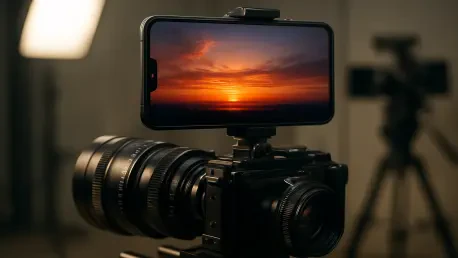
Capturing the nuance of human expression and light requires more than just high-resolution sensors; it necessitates an understanding of the emotional impact of imagery. The software in the Robot Phone is designed to preserve the subtle gradients in a sunset or the soft fall-off of light in a dim room. These are the details that professional cinematographers spend hours perfecting on set, and now they are being automated through sophisticated AI models. By focusing on these high-fidelity transitions, the device avoids the banded or stepped look often seen in digital photography when dealing with complex gradients. This attention to detail ensures that the atmospheric quality of a scene is captured as intended, providing a more immersive experience for the viewer. Whether capturing a quiet interior or a sprawling landscape, the device maintains a professional level of contrast and color accuracy. This dedication to visual fidelity marks an era where mobile devices can compete with film.
Setting New Benchmarks for the Future of Mobile Cinema
Transforming the creative process, this partnership established a new standard for how mobile devices can empower individual storytellers. Developers focused on intuitive tools that allowed users to express a cinematic vision without needing professional editing expertise. The goal involved democratizing high-end filmmaking, making the sophisticated ARRI Look accessible to the general public through a seamless interface. Moving forward, creators should explore these cinematic modes to discover how naturalistic lighting can enhance their narrative depth. It is recommended that users experiment with the device’s manual overrides to see how the ARRI-tuned profiles interact with different lighting environments. As the distinction between a movie frame and a smartphone photo continues to blur, the industry will likely see a broader adoption of these professional color standards across consumer hardware. This evolution proved that the future of mobile imaging lies in the faithful recreation of reality.