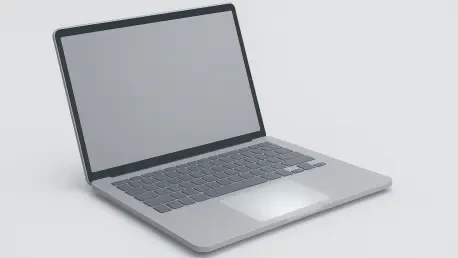

The inclusion of nearly invisible cooling vents and a magnetic connect USB-C system highlights Microsoft’s focus on premium aesthetics for its newest flagship. This design choice, unveiled during a joint showcase with Nvidia in San Francisco, marks a decisive departure from the iterative updates of previous years. The Surface Laptop Ultra arrives as a premium hardware tier with a starting price of $2,599, scaling significantly to $6,000 for top-tier configurations designed for heavy lifting. This device represents a pivotal shift in the personal computing landscape, signaling a clear intent to lead the emerging movement of AI-first laptops through the innovative RTX Spark platform. By moving away from general-purpose consumer builds, the manufacturer is betting on a high-end demographic that values localized processing power above all else. The strategy reflects a broader industrial realignment where hardware is no longer just a vessel for software but a specialized engine for complex generative tasks.
Engineering for the Neural ErHardware Without Compromise
Under the sleek aluminum chassis, the machine is powered by Nvidia’s RTX Spark processor, specifically optimized for Windows on ARM architectures. This silicon represents a significant leap in efficiency, offering an unprecedented 128GB of unified memory that allows the system to handle massive datasets without the latency found in traditional architectures. The 15-inch HDR display is equally impressive, capable of reaching 2,000 nits of brightness to provide clarity even in challenging lighting conditions. Such specifications are not merely for show; they are foundational to the laptop’s role as a mobile workstation for power users. The inclusion of a large haptic touchpad further enhances the user experience, providing tactile feedback that mimics the precision of physical buttons. Every element suggests a meticulous iteration process aimed at challenging the dominance of high-end creative laptops, ensuring that professional users have the raw power needed for demanding projects.
Maintaining thermal stability in such a thin form factor required a complete reimagining of internal airflow systems. The nearly invisible vents are part of a sophisticated cooling matrix that manages the heat generated by the high-wattage RTX Spark processor during sustained workloads. Unlike previous attempts at ARM-based laptops which often sacrificed performance for battery life, this flagship balances both by utilizing intelligent power routing. This design philosophy ensures that the device remains quiet even when rendering complex 3D scenes or compiling large codebases locally. The magnetic connect USB-C system also addresses a practical pain point for professionals, offering a secure yet easily detachable power source that prevents accidental damage. These refinements indicate that the hardware team prioritized long-term reliability and physical usability as much as raw computational throughput. The result is a device that feels robust and sophisticated, matching the high expectations of its price.
Hybrid Intelligence: Redefining Local and Cloud Workflows
A primary theme driving the adoption of this new platform is the transition toward hybrid intelligence, which seeks to harmonize cloud-based resources with local execution. While most consumer devices rely heavily on remote servers for AI tasks, the Surface Laptop Ultra is engineered to run large language models and diffusion frameworks directly on the device. This capability is vital for professionals who require privacy, low latency, and the ability to work without a constant high-speed internet connection. By targeting developers and creative professionals rather than the gaming market, the device carves out a specific niche in the productivity sector. Applications like Blender and ComfyUI benefit immensely from the localized GPU acceleration, allowing for real-time adjustments that were previously impossible on a laptop. This shift suggests that the era of relying solely on data centers for complex intelligence tasks is ending, replaced by a more versatile localized model.
The arrival of this hardware tier signaled a new era where local computational power became the primary metric for professional success. Decision-makers evaluated whether the transition to localized AI justified the premium cost, ultimately finding that reduced cloud latency and enhanced data security provided a measurable return on investment. Professionals who adopted these machines early streamlined their workflows by moving away from centralized processing, which allowed for greater creative freedom and faster iteration cycles. Looking forward, the focus shifted toward optimizing software to leverage these massive memory pools more effectively. Organizations were encouraged to audit their current digital infrastructure to identify bottlenecks that localized intelligence could solve. The successful integration of such advanced hardware required a strategic rethink of how creative and development teams utilized mobile workstations. As the ecosystem matured, the emphasis remained on empowering the user.