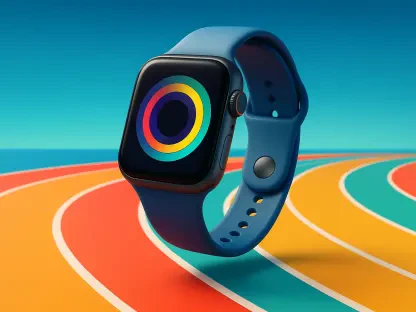

Vascular Health Insights represent a new frontier for smart rings, combining lifestyle data with PPG sensing to monitor long-term cardiovascular health. This advancement comes at a time when the broader technology market has reached a definitive turning point, transitioning away from the era of bulky, wrist-bound smartphones toward a more discreet and specialized ecosystem of ambient devices. For years, the industry was dominated by multi-purpose smartwatches that prioritized constant connectivity, high-resolution screens, and a barrage of visual notifications. However, this trend eventually led to significant digital clutter and social friction, as users became increasingly weary of being tethered to glowing rectangles on their arms. The current landscape reflects a growing preference for invisible technology that provides advanced biometrics and artificial intelligence without the intrusion of a traditional interface, allowing the tech to blend into the background of daily life.
Modern consumers are now seeking tools that integrate seamlessly into their professional and personal routines rather than gadgets that demand constant manual attention or frequent charging cycles. The latest wave of hardware focuses on solving specific problems that conventional smartwatches often fail to address, such as notification fatigue, privacy concerns in public spaces, and the aesthetic limitations of rubberized bands. By moving away from a one-size-fits-all approach, manufacturers have successfully created a diverse market where technology remains highly functional while staying almost entirely out of sight. This shift is not merely about making devices smaller, but about making them more intelligent and less demanding, ensuring that the benefits of the digital age are accessible without the cognitive load that once accompanied them.
The Departure from High-Friction Hardware
Privacy and Minimalism: Modern Design Principles
One of the most significant themes of the current technological climate is the deliberate removal of outward-facing sensors and screens to enhance social acceptance and user focus. Smart glasses, for instance, have historically faced immense hurdles due to privacy concerns and the perceived awkwardness of visible cameras. However, the latest generation of camera-free models has successfully pivoted from content creation tools to sophisticated information consumption platforms. By weighing no more than standard prescription eyewear and utilizing near-eye displays for heads-up data—such as live translations and navigation—these devices offer the full benefits of augmented reality without the social stigma or the privacy baggage of a visible lens. This design philosophy recognizes that for technology to be truly wearable, it must respect the social boundaries of the wearer and those around them, fostering a more natural interaction with the digital world.
In tandem with the evolution of eyewear, there is a notable resurgence in minimalist fitness trackers that prioritize passive data collection over interactive, high-energy interfaces. These screenless bands cater specifically to the growing demographic of digital minimalists who want to track vital health metrics like sleep architecture, heart rate variability, and respiratory rates without the constant urge to check their wrists for every incoming email or social media alert. This “set it and forget it” philosophy marks a strategic move back to the original appeal of wearables, which was to provide deep personal insights without interrupting the user’s daily flow or contributing to the noise of the attention economy. By stripping away the screen, manufacturers have also managed to extend battery life significantly, making the devices more reliable and less of a chore to maintain over long periods of active use.
The Rise: Ambient Intelligence in Daily Life
The transition toward invisible technology is further exemplified by the integration of sensors into common accessories like jewelry and clothing. Smart rings have moved beyond being niche gadgets to becoming central hubs for health monitoring, largely because they are less intrusive than watches and can be worn 24 hours a day without discomfort. These devices utilize advanced materials such as titanium and ceramic to house complex electronics that monitor everything from blood oxygen levels to skin temperature. Because they lack a screen, the design focus remains entirely on the accuracy of the sensors and the durability of the exterior. This allows users to maintain their personal style while benefiting from a continuous stream of health data that was previously only available in a clinical setting or through much larger, more cumbersome equipment.
Furthermore, the shift toward ambient intelligence means that the hardware is becoming secondary to the data it generates. Consumers are no longer buying a device for its novelty; they are investing in the ecosystem and the insights that the hardware provides. This has led to a more competitive market where the value of a wearable is measured by how well it hides its complexity. Manufacturers are focusing on creating “calm” technology that only alerts the user when there is a significant change in their biometric baseline or an urgent need for action. This reduces the friction of ownership and ensures that the technology serves the user, rather than the user serving the technology. As these devices become more embedded in our environments, the line between the physical and digital selves continues to blur in a way that prioritizes human experience over technical display.
New Methods of Silent Communication
Haptic Intelligence: The Voice of Smart Rings
As screens continue to disappear from the most popular wearable form factors, manufacturers have been forced to innovate new ways for devices to communicate effectively with their users, leading to a surge in sophisticated haptic feedback. Smart rings, which were once criticized for being passive data collectors that required a phone to view any information, now feature miniature vibration motors capable of delivering nuanced physical alerts. These haptic signals can be programmed to notify the user of various events, such as a high heart rate during a period of rest, a low battery level, or a gentle reminder to move after long hours of sedentary work. This transformation allows small-form-factor devices to maintain an active, two-way dialogue with the user, making them indispensable tools for real-time health management rather than just silent, reactive sensors tucked away on a finger.
The precision of modern haptics allows for a level of communication that is both private and intuitive, bypassing the need for loud audio cues or bright visual flashes. For example, a specific vibration pattern might indicate a scheduled medication time, while a different sequence could signal an incoming priority call from a designated contact. This tactile language is easily learned and provides a discreet way for users to stay informed without breaking eye contact during a meeting or disrupting a social gathering. By utilizing the sense of touch, wearables are tapping into a more primal and less distracting form of communication that aligns perfectly with the goal of making technology invisible. This shift toward “feeling” data rather than “seeing” it represents a major milestone in human-computer interaction, prioritizing subtlety and personal space.
AI Coaching: Moving Beyond Raw Biometrics
The burden of data interpretation is rapidly shifting from the user to sophisticated artificial intelligence platforms that act as personalized health coaches. Modern “LifeOS” systems are designed to ingest the massive amounts of raw biometric data collected by screenless wearables and translate them into actionable, plain-English lifestyle advice. Instead of presenting a user with a complex graph of heart rate variability and leaving them to wonder what it means, these AI-driven platforms might suggest an earlier bedtime based on rising stress levels or a specific hydration goal to combat a dip in recovery scores. This evolution directly addresses the common problem of data fatigue, where users feel overwhelmed by the sheer volume of information and eventually stop engaging with their devices because the insights are not clear or practical.
Beyond simple interpretation, these AI coaches are becoming proactive by predicting potential health issues before they become symptomatic. By analyzing long-term trends in sleep patterns, activity levels, and vascular health, the software can identify subtle deviations from a user’s baseline and provide early warnings. This level of personalized guidance is made possible by on-chip machine learning that processes data locally, ensuring both speed and privacy. The result is a user experience that feels more like having a dedicated medical assistant than wearing a tech gadget. As these platforms continue to learn from millions of data points across diverse populations, the accuracy of their recommendations only increases, making the invisible wearable an essential partner in long-term wellness and preventative care strategies.
Professional Metrics and Ecosystem Integration
Stealth Integration: Tech for Watch Enthusiasts
Established tech giants and high-end innovators have recognized that a large segment of the population remains loyal to traditional horology and is unwilling to trade a luxury mechanical timepiece for a digital screen. To capture this market, the industry has developed stealth tracking hardware that allows users to maintain their personal style while still accessing professional-grade metrics. New screenless bands and smart clasps are designed to be worn on the opposite wrist or even integrated into the straps of classic watches, functioning as a complementary layer of technology. These devices track high-fidelity data such as Heart Rate Variability and VO2 Max, syncing perfectly with existing data ecosystems. This approach allows the user to enjoy the craftsmanship of a traditional watch while the “invisible” tech quietly handles the heavy lifting of biometric monitoring in the background.
This strategy of ecosystem integration ensures that users do not have to choose between fashion and function, or between different brands of hardware to get a complete picture of their health. A user might wear a high-end mechanical watch during the day, a sleek screenless band during a workout, and a smart ring while sleeping, with all the data merging into a single, unified health profile. The compatibility between different form factors has become a major selling point, as consumers look for flexibility in how and where they wear their sensors. This move toward modular and interchangeable hardware reflects a mature market that understands the diverse needs of its users. By making the technology adaptable to the user’s existing wardrobe and lifestyle, manufacturers have removed one of the final barriers to the widespread adoption of advanced wearable biometrics.
Performance Platforms: Computing in Small Forms
At the premium end of the market, the focus has shifted toward creating robust, high-performance computing platforms within incredibly tiny form factors. These devices are no longer just simple sensors; they are powerhouses of efficiency, featuring dual-core processors and specialized chips for on-device machine learning. One of the primary goals of this technical advancement was to eliminate the downtime associated with frequent charging, which often leads to gaps in health data. Modern smart rings and professional bands now boast battery lives that extend into weeks rather than days, even while performing continuous, high-frequency monitoring of vital signs. This caters to the most committed health enthusiasts and professional athletes who demand a “lab on their body” that can keep up with their rigorous schedules without the distraction of a glowing display.
The shift to on-chip processing also means that sensitive biometric data can be analyzed without ever leaving the device, which significantly enhances user privacy and security. By reducing the need to transmit large amounts of raw data to the cloud, these performance platforms are more resilient to connectivity issues and offer a more secure environment for personal health information. The engineering required to pack this level of sophistication into a 4-gram ring or a 20-gram band is a testament to the rapid pace of miniaturization in 2026. These devices represent the pinnacle of “invisible” tech—hardware that is virtually undetectable to the wearer but provides a level of technical performance that rivals the most advanced smartwatches of previous years. As the efficiency of these processors continues to improve, the potential for even more complex ambient applications grows, further cementing the role of small-form-factor wearables in the modern tech stack.
Strategic Takeaways for the Wearable Future
The transition toward invisible technology was a necessary response to the digital saturation that defined the early part of the decade. By 2026, the industry moved away from the redundant replication of smartphone features on the wrist and toward a more thoughtful, body-integrated approach. This evolution showed that users value the quality of insights over the quantity of notifications, and that privacy is a fundamental design requirement rather than an optional feature. The success of screenless trackers and camera-free glasses proved that the most effective technology is that which solves problems without introducing new forms of stress or social friction.
Moving forward, individuals should prioritize hardware that offers high cross-device compatibility and robust data ownership policies. As wearables become more integrated into healthcare and professional performance, the ability to maintain a consistent longitudinal record of one’s biometrics across different devices will be crucial. Organizations and developers must continue to focus on the refinement of AI-driven interpretation, ensuring that the transition from raw data to actionable knowledge remains seamless and accurate. The ultimate goal for the next stage of development should be the total disappearance of the “gadget” into the background of the human experience, where health and productivity are supported by a silent, invisible, and ever-present digital companion.