
Selecting a flagship smartwatch has become an intricate exercise in balancing specialized features against total financial investment as the current wearable market reaches new heights. Consumers often face a significant dilemma when deciding between two high-tier options like the $370 Amazfit Balance 3 and the more expensive $600 Cheetah 2 Ultra. While a price gap of $230 usually suggests a vast difference in core capabilities, the reality of the hardware landscape in 2026 is far more nuanced. Both devices target athletes who demand precision and longevity, yet they approach these goals from distinct engineering philosophies. Determining whether the “Ultra” designation warrants the extra expenditure requires a deep dive into how these devices perform during rigorous training and varied outdoor adventures. This comparison seeks to uncover which model provides the most utility for the modern active lifestyle without an unnecessary financial burden or loss of functionality.
Shared Technological Foundations: Where These Devices Align
Despite the substantial price difference, these two smartwatches share a significant amount of underlying technology that forms a consistent experience across the line. Both models are equipped with a stunning 1.5-inch AMOLED display that remains remarkably legible even when subjected to the harsh glare of direct midday sunlight. This high-resolution screen ensures that metrics like heart rate and navigation maps are visible at a quick glance, which is essential for maintaining focus during a workout. Furthermore, both devices integrate seamlessly with the Zepp smartphone application, providing a unified platform for health data and third-party app synchronization. The shared software ecosystem allows users to access advanced AI coaching tools that interpret biometric data to suggest recovery times and training schedules. This technological parity ensures that opting for the more affordable model does not result in a degraded visual or analytical experience.
The commitment to premium build quality is evident in both the Balance 3 and the Cheetah 2 Ultra, as both utilize high-grade materials that were once reserved for luxury timepieces. Each watch features a sapphire glass lens, which is renowned for its exceptional scratch resistance and ability to withstand the accidental impacts common in mountain biking or rock climbing. Beyond the physical screen, the internal sensor arrays for heart rate monitoring and dual-band GPS tracking are virtually identical, ensuring that every kilometer logged is as accurate as possible regardless of the device choice. This shared foundation extends to the smart notification systems and lifestyle features, such as sleep tracking and stress monitoring, which operate with the same level of sophistication. By maintaining this high baseline of performance across both price points, the manufacturer has ensured that every customer receives a reliable piece of health technology that functions as a fitness companion.
Engineering for Resilience: The Robust Nature of the Balance 3
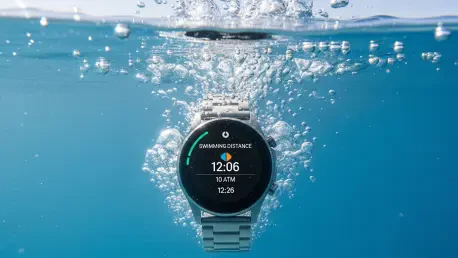
The Amazfit Balance 3 distinguishes itself as a remarkably robust and versatile tool that frequently outperforms its more expensive counterpart in specific physical metrics. Most notably, the Balance 3 boasts a 10 ATM water resistance rating, a specification that allows the device to accompany users during high-velocity water sports or deeper diving activities. This level of protection is superior to many other sports watches in its category, making it the preferred choice for triathletes and aquatic adventurers who need a device that can transition from a mountain trail to a coral reef. The stainless steel construction provides a substantial, high-quality feel that mimics traditional horology while offering the structural integrity needed to survive harsh conditions. This focus on all-around resilience makes the Balance 3 an ideal daily driver for those whose hobbies are varied, ensuring that the watch remains functional in almost any environment.
Functionality is further enhanced by clever hardware additions on the Balance 3 that are surprisingly absent on more expensive professional models. A standout feature is the integrated LED flashlight, which provides both a bright white light for navigating dark corridors and a red light mode to preserve night vision during evening runs or camping trips. This practical inclusion highlights the device’s role as a multi-purpose tool for general outdoor safety. Additionally, the rotating digital crown offers a tactile and intuitive way to navigate the user interface, which is particularly beneficial when hands are wet or encased in thick winter gloves. With a battery that supports over 40 hours of continuous GPS tracking, the Balance 3 provides sufficient endurance for multi-day hiking trips without requiring a mid-journey charge. These localized hardware advantages solidify its position as a high-value alternative that does not sacrifice performance for affordability.
Precision for the Elite: Specialized Features of the Cheetah 2 Ultra
In contrast to the multi-sport focus of the Balance series, the Cheetah 2 Ultra is a precision-engineered instrument designed specifically for the needs of competitive long-distance runners. The most immediate difference felt by the user is the lightweight titanium chassis, which significantly reduces the overall mass of the device compared to stainless steel alternatives. This weight reduction is critical during marathons or ultra-endurance events where every gram can contribute to wrist fatigue over several hours of repetitive motion. To cater to the preferences of serious athletes, this model replaces the traditional rotating crown with a set of four flat, low-profile buttons. This design choice effectively eliminates the risk of accidental button presses or menu scrolling when the wrist flexes during a sprint. By prioritizing ergonomics and stability, the Cheetah 2 Ultra addresses the specific pain points of elite runners who require a device that feels weightless and secure.
The premium nature of the Cheetah 2 Ultra is further reflected in its specialized software suite, which provides deep insights into off-road and mountain training. It features advanced topographic mapping capabilities that use color-coded gradients to illustrate terrain steepness, allowing trail runners to pace themselves more effectively on vertical climbs. The device also introduces a proprietary load factor metric that adjusts traditional effort calculations based on the difficulty of the terrain and elevation changes. While its maximum GPS battery life is slightly lower than the Balance 3, it compensates with an impressive 30-day longevity in standard smartwatch mode, making it a low-maintenance option for those who primarily use it for daily health tracking between races. These niche features are designed for a specific demographic of mountain athletes who value specialized data over broad versatility. However, the question remains whether these targeted software tools justify the price increase.
Strategic Selection: Assessing the Real World Value Proposition
The comparison between these two devices revealed that the Amazfit Balance 3 provided a superior balance of cost and capability for the vast majority of active users. While the Cheetah 2 Ultra offered a lighter titanium build and refined button controls for elite running, the Balance 3 countered with higher water resistance and more practical hardware features like the LED flashlight. Most athletes found that the $230 savings did not result in a loss of critical health data or GPS accuracy, as the underlying technology remained identical across both models. The data showed that the Balance 3 was better equipped for a wider variety of environments, ranging from snow-capped peaks to the depths of a swimming pool. Consequently, the premium model became a niche luxury for those with very specific ergonomic requirements rather than a mandatory upgrade. This shift in value perception signaled a period where entry-level flagships effectively challenged the necessity of more expensive equipment.
Moving forward, consumers who prioritized multi-sport versatility and ruggedness found that the Balance 3 was the most logical investment for their fitness journeys. For those who considered a purchase, the primary decision factor rested on whether the ultra-lightweight titanium feel and specialized trail metrics were essential for their specific competitive goals. Potential buyers were encouraged to evaluate their most frequent activities, as the 10 ATM rating of the more affordable model provided a safety net for water-based hobbies that the specialized running watch lacked. Future considerations for the wearable market suggested that software parity would continue to drive buyers toward hardware that offered the best physical utility per dollar. The success of the Balance 3 demonstrated that high-end performance was no longer tethered to the highest price bracket. Ultimately, the market rewarded devices that integrated practical safety features and durability, proving that value was found in a watch that handled every aspect of life.