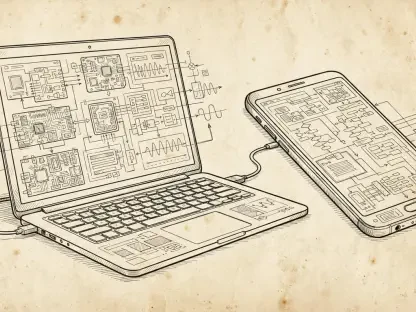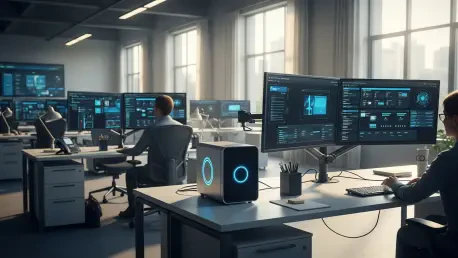

The sudden pivot from AI-enabled tools to fully autonomous digital agents has triggered a wave of skepticism regarding whether modern hardware actually delivers on its lofty promises. The technology sector currently finds itself in the midst of a massive branding transition, moving away from simple assisted features toward what industry leaders call “Agentic AI PCs.” Promoted by hardware giants like Nvidia and Microsoft, these machines are marketed not just as faster computers, but as active digital partners capable of independent thought and complex action. While the promise of a computer that can manage intricate workflows is alluring, a growing chorus of analysts questions whether this represents a true technical breakthrough or a clever marketing pivot. This analysis explores the tension between corporate vision and functional reality, examining whether the current hardware justifies the hype surrounding the next generation of personal computing.
From Copilot+ to Agentic Workflows: A Brief History of the AI PC
To understand the current landscape, one must look at the rapid evolution of the “AI PC” narrative that has unfolded over the last several months. Initially, the industry focused on Neural Processing Units (NPUs) and basic AI integration, exemplified by the early Copilot+ initiatives. However, the conversation recently shifted toward “agentic” capabilities—workloads where the AI does not just assist but acts autonomously on behalf of the user. The introduction of the N1X chip marked a significant milestone, moving away from traditional x86 architecture toward an Arm-based design optimized for these specific tasks. This background reveals a strategic industry push to refresh hardware cycles by promising a fundamental change in how humans interact with their devices, moving from command-based interfaces to collaborative environments.
Dissecting the Value Proposition of Modern Agentic Hardware
The Marketing Mirage and Hardware Redundancy
A primary critique from industry analysts suggests that the “Agentic AI PC” label serves as more of a marketing construct than a technical necessity. Many experts point out that high-end personal computers from the previous two years already possess the raw computational power required to host local AI agents. For instance, platforms like OpenClaw allow users to run sophisticated AI workloads on existing hardware, including compact desktops like the Mac Mini, without requiring specialized branding. This implies that the current push for new hardware is less about enabling previously impossible capabilities and more about revitalizing a stagnant market by creating a sense of obsolescence for older machines.
Shifting Architecture and the Hybrid Processing Model
The technical foundation of these new devices relies heavily on a hybrid workflow, splitting tasks between local processing and cloud-based models. The RTX Spark platform and the latest integrated chips are designed to facilitate this data exchange seamlessly through dedicated servers. While software developers like Adobe have already optimized flagship applications to leverage these new architectures, the actual performance gains remain a point of significant debate. Although hardware manufacturers claim a doubling of speed for AI-driven tools, critics argue that these improvements are incremental evolutions of existing GPU capabilities rather than a total reinvention of the computing architecture.
Ecosystem Maturity and the Arm Compatibility Hurdle
One of the most significant challenges facing the adoption of these PCs is the lack of a mature application ecosystem. Hardware remains only as useful as the software that runs on it, and currently, there are few specialized applications that require a dedicated agentic hardware upgrade for the average user. Furthermore, the shift to Arm-based architecture introduces practical obstacles for the enterprise sector. Historically, Windows on Arm has struggled with compatibility issues regarding legacy applications and corporate drivers. For many organizations, the risk of breaking mission-critical software outweighs the perceived benefits of slightly faster local AI performance at the current stage.
Navigating the Next Wave of Personal Computing Innovations
Looking ahead, the industry is likely to see a transition where personal computers evolve into dedicated home AI appliances. These devices may eventually serve as central hubs for personal data, acting as a bridge between various smart devices and local AI agents that prioritize data privacy. The impending end-of-life for Windows 10 serves as the primary driver for hardware upgrades in the corporate world, rather than the AI features themselves. As the technology matures, a shift toward more specialized workstations and small-form-factor devices that prioritize local data processing is expected, potentially moving the agentic layer from a marketing buzzword to a standard background software feature.
Strategic Recommendations for Hardware Procurement and Deployment
For businesses and consumers navigating this transition, the best strategy involves a measured approach of informed caution. Rather than rushing to adopt branded hardware, organizations should evaluate their specific needs based on software compatibility and existing hardware lifecycles. It is essential to audit legacy software to ensure that critical applications are compatible with Arm-based architectures before committing to a fleet-wide upgrade. Furthermore, decision-makers should evaluate whether current workflows actually benefit from local agentic processing or if existing cloud-based solutions are sufficient for their productivity goals. Monitoring the ecosystem for the development of applications that truly require the newest architectures will prevent premature investments.
Reconciling AI Ambition with Practical Computing Needs
The Agentic AI PC represented a compelling vision for the future of human-computer interaction, but the functional reality often lagged behind the aggressive marketing rhetoric. While the shift toward autonomous digital agents appeared inevitable, the hardware offerings were best viewed as an incremental step in a long-term evolution. Understanding the difference between genuine technological progress and strategic rebranding was essential for making sound investment decisions throughout this period. The most effective strategy for the future involved prioritizing software compatibility and actual utility over experimental branding. Ultimately, the significance of the AI PC was not defined by its name, but by its ability to deliver tangible productivity gains while maintaining the reliability that users depended on.