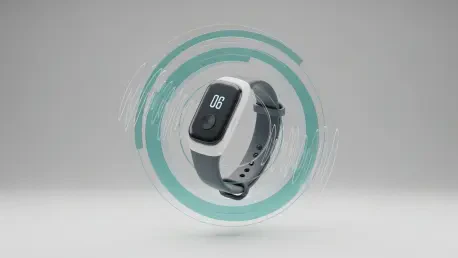

The perpetual battle against invasive insects has entered a new phase with the introduction of electronic wearables that promise to shield individuals from bites without the need for topical applications. The Bugzilch SonicMosq Band arrived on the 2026 market as a high-tech alternative to traditional mosquito repellents, specifically targeting people who spend a significant portion of their time outdoors, such as hikers, campers, and those who enjoy frequent backyard gatherings. This wearable device promises a “spray-free” way to keep pests at bay, positioning itself as the ideal solution for anyone tired of the sticky residues and strong chemical odors associated with conventional bug sprays. As society moves toward more integrated technology in daily life, the idea of a simple wristband providing an invisible shield is undeniably attractive to a broad demographic of wellness-conscious consumers seeking comfort in nature.
At its core, the device is marketed as a sophisticated personal protection tool that utilizes sound frequencies rather than chemical active ingredients. The manufacturer asserts that the wristband emits specific sonic and ultrasonic waves designed to create a “deterrent zone” around the wearer, mimicking the sounds of natural predators or dragonflies to keep mosquitoes away. This invisible barrier is supposed to prevent insects from landing or biting, providing a sense of security for those concerned about bug-borne illnesses or the general irritation caused by persistent swarms. In an era where outdoor recreation is seeing record participation, the demand for non-invasive, electronic solutions has never been higher, leading many to wonder if this small piece of wearable technology can truly replace the tried-and-true methods of the past.
Market Positioning and Selling Points
The primary selling point for the Bugzilch SonicMosq Band lies in its strictly chemical-free design, which addresses a growing consumer wariness regarding the direct application of DEET or other synthetic repellents to the skin. Many individuals are increasingly concerned about the long-term effects of topical chemicals and the potential for skin irritation, and this product taps into that desire for a more natural-feeling, wellness-oriented alternative. By framing the device as an electronic upgrade to primitive sprays, the brand positions itself at the intersection of technology and outdoor health, suggesting that modern problems require modern, hardware-based solutions. This marketing strategy resonates particularly well with those who prioritize “clean” living and want to minimize their chemical footprint while still enjoying the biological diversity of the outdoors.
Convenience serves as another major pillar in the product’s overarching marketing strategy, emphasizing the ease of use compared to traditional methods. Unlike lotions or aerosol sprays that require messy application and must be reapplied every few hours to maintain efficacy, the wristband is presented as a “set it and forget it” accessory that requires minimal effort from the user. The brand highlights that users can avoid the inconvenience of greasy textures and stained clothing while enjoying a consistent level of protection throughout the day. This feature makes it particularly attractive for parents who often struggle to apply repellent to squirming children or for athletes who find that sweat washes away standard topical barriers during intense physical activity in humid environments.
The manufacturer also leans heavily on the universal appeal and high customer satisfaction allegedly surrounding the device to build immediate brand authority. With an adjustable, soft-touch silicone strap, the band is designed to fit both adults and children comfortably, ensuring that it does not interfere with movement or style. Promotional materials frequently point to thousands of positive reviews from satisfied users to build trust and social proof, suggesting that the device is already a favorite among serious outdoor enthusiasts. While the specifics of these reviews are often difficult to verify independently, the sheer volume of positive sentiment presented in advertisements is designed to convince potential buyers that the product is a proven success in the field.
The Reality: Ultrasonic Technology
Despite the glowing marketing and high-tech promises, there is a significant and well-documented gap between the brand’s claims and the scientific evidence regarding ultrasonic pest control. Independent researchers and entomologists have long expressed skepticism regarding the efficacy of devices that claim to use sound waves to repel mosquitoes. Most experts in the field agree that there is no biological or evolutionary reason why a mosquito would be deterred by the specific high-frequency sounds emitted by these types of wearable gadgets. Mosquitoes are primarily attracted to their hosts through carbon dioxide emissions, heat, and skin odors, and there is little evidence to suggest that sound can override these powerful biological signals in a real-world outdoor setting.
The lack of proven efficacy is further corroborated by major scientific reviews and meta-analyses, including those conducted by the Cochrane organization, which remains the global benchmark for evidence-based research. These comprehensive studies have evaluated various electronic mosquito repellents over several decades and consistently reached the conclusion that they do not reduce the number of bites a person receives in any measurable way. In numerous controlled field tests, subjects wearing ultrasonic devices were bitten just as frequently as those in a control group with no protection at all. This lack of performance suggests that while the technology is fascinating in theory, it fails to translate into a practical barrier against insects that have spent millions of years refining their hunting strategies.
This deep-seated skepticism is supported by the historical record of regulatory actions taken by the Federal Trade Commission against companies making similar claims about ultrasonic pest control. For over forty years, the FTC has cracked down on various manufacturers for making unsubstantiated claims regarding the ability of sound-based devices to repel pests like insects and rodents. Since the Bugzilch band falls into this exact category of technology, many consumer advocates warn that the device likely functions more as a psychological placebo than a genuine physical shield. Without rigorous, peer-reviewed data to support the specific frequencies used by the SonicMosq band, the scientific community remains largely unconvinced of its utility in preventing bites.
Hardware Specs: Operating Limits
On the technical side of the equation, the Bugzilch SonicMosq Band is powered by an internal, USB-rechargeable battery that offers impressive longevity for its size. The manufacturer states that a quick thirty-minute charge can provide up to 150 hours of continuous use, which would make it an exceptionally efficient electronic device for long-term excursions. Additionally, the band is said to possess a standby time of up to six months, allowing users to store it away during the winter and find it ready for use at the start of the next summer season. This battery performance is a key part of the product’s value proposition, promising that the device will always be available when the user decides to head out into the wilderness or sit on their porch.
However, users must exercise caution regarding the device’s actual durability and its resistance to the various environmental factors encountered during outdoor activities. The band carries an IPX4 rating, which technically means it is protected against light splashes of water or sweat from any direction but is by no means fully waterproof. This rating implies that the device cannot be submerged in a pool, worn while swimming, or subjected to high-pressure water jets without risking permanent damage. Exposing the internal electronic components to heavy rain or accidentally dropping the wristband into a puddle could easily cause the sonic emitter to malfunction, leaving the user with a non-functional piece of silicone and plastic.
Beyond the physical durability, the physics of sound itself presents certain operating limits that are often glossed over in the promotional materials provided by the company. Sound waves, especially those in the ultrasonic range, attenuate very quickly in open air and can be easily blocked or absorbed by clothing, hair, or physical obstacles. This means that if a user wears the band under a long-sleeved shirt or if it is positioned away from the exposed skin, the “deterrent zone” might be even less effective than advertised. The reliance on a single point of emission on the wrist also fails to account for mosquitoes approaching from the opposite side of the body, where the sound levels would be significantly lower due to the shadowing effect of the wearer’s own torso.
Transparency Issues: Brand Confusion
A close and critical look at the official sales materials and digital presence for the Bugzilch band reveals several inconsistencies that may give potential buyers significant pause. On certain sections of the promotional website, the product is unexpectedly referred to by different names, such as the “Graddi SonicMosq Band,” without any explanation for the discrepancy. This lack of brand consistency strongly suggests that the product may be a generic “white-label” item manufactured in bulk and sold under various different brand names by various marketing groups. Such practices are common in the world of viral gadgets, but they often lead to confusion regarding the actual origin and quality control standards of the hardware being purchased.
Furthermore, the website contains several suspicious sections of text that appear to be completely unrelated to a mosquito-repellent wristband or outdoor gear in general. Some product descriptions mistakenly mention solar-powered lighting systems or remote-control cars with specialized tires, indicating a lack of basic proofreading or quality control in the marketing department. These glaring errors suggest that the marketing team used a generic e-commerce template and simply failed to remove or replace the placeholder text before launching the site. For many consumers, this lack of attention to detail is a major red flag regarding the brand’s overall professionalism and the reliability of the claims they make about their primary product.
Identifying the actual corporate entity responsible for the product and its warranty is also a notable challenge for the average consumer. The website mentions several different corporate names, including Cola Technology International and Hilipert, while the customer support email uses yet another entirely separate domain name. This corporate ambiguity makes it difficult for users to know who to contact if they experience hardware issues or if they need to resolve a dispute regarding their purchase or shipment. In an industry where trust is paramount, the presence of multiple, disconnected corporate identities can make the process of obtaining a refund or seeking technical assistance unnecessarily complicated and frustrating for the end user.
Financial Structure: Safety Regulations
The pricing model for the Bugzilch SonicMosq Band is clearly structured to encourage customers to purchase multiple units at once through aggressive bulk discounts. While a single band is priced at nearly $50, which is relatively high for a simple silicone wristband, the cost per unit drops significantly when a buyer chooses to purchase three or five bands in a single order. This tiered pricing strategy is a common tactic for “as-seen-on-TV” style gadgets and is designed to maximize the total transaction value before the customer has a chance to reconsider the purchase. It shifts the focus from the utility of a single device to the perceived “deal” of getting multiple items for the family, often leading to higher spending.
While a 30-day money-back guarantee is prominently mentioned in the promotional materials, the specific details of this policy remain somewhat vague and potentially restrictive. It is often unclear who is responsible for covering the cost of return shipping, which can be substantial if the product needs to be sent to an international warehouse. Additionally, there may be hidden requirements regarding the condition of the packaging or the device that must be met to qualify for a full refund. Prospective buyers are encouraged to read the fine print with extreme care, as the total cost of returning an electronic item can sometimes approach or exceed the original purchase price, effectively neutralizing the protection of the guarantee.
From a regulatory standpoint, the device is classified by agencies like the EPA as a “pesticidal device” rather than a chemical pesticide or repellent. This classification is crucial because it means the product does not have to undergo the same rigorous, years-long pre-market testing and registration process required for bug sprays. While the EPA does require these devices to avoid using “false or misleading” labels on their packaging, they do not necessarily verify the efficacy of the product before it is allowed to enter the retail market. This regulatory gap allows companies to sell electronic repellents based on theoretical benefits without providing the same level of scientific proof required for topical chemical products.
Guidance: Outdoor Enthusiasts
For individuals living in or traveling to regions where mosquito-borne illnesses such as West Nile virus, Zika, or malaria are a genuine threat, relying on an unproven electronic device could be a dangerous risk. Public health officials and medical experts consistently recommend the use of EPA-registered repellents that contain active ingredients such as DEET, Picaridin, or Oil of Lemon Eucalyptus. These substances have undergone decades of rigorous laboratory and field testing to prove beyond a doubt that they effectively prevent mosquitoes from biting. In high-risk environments, the primary goal is the prevention of disease transmission, which requires a level of reliability that ultrasonic technology has simply not yet demonstrated in any scientific capacity.
The Bugzilch band may still find a niche appeal among people who are looking for a non-invasive, tech-forward gadget for low-risk environments where mosquitoes are merely a nuisance rather than a health hazard. If a consumer is willing to spend $50 on a sleekly designed accessory that might only provide a marginal placebo effect, the wristband offers a modern look that complements other wearable technology. However, it is vital to remember that such a device should never serve as the sole line of defense in zones with high mosquito activity or during the peak hours of dawn and dusk. Understanding the limitations of the technology allows consumers to make informed choices about their personal safety and comfort while enjoying the great outdoors.
The investigation into the effectiveness of the Bugzilch SonicMosq Band revealed that traditional protection methods remained the standard for safety and reliability. Outdoor enthusiasts who prioritized scientific evidence over marketing trends found that the device lacked the necessary validation to replace chemical repellents. While the convenience of a wearable band was appreciated by some, the consensus among experts suggested that users were better served by following the guidance of health organizations. Those who sought the most effective results decided to pair such novelties with proven topical applications. Ultimately, the market for electronic pest control continued to evolve, yet the core principles of entomology ensured that physical and chemical barriers provided the most consistent results for the savvy traveler.