
The current landscape of wearable technology presents a compelling scenario where high-end athletic performance no longer requires the absolute highest financial investment from serious competitors. While the industry frequently emphasizes the arrival of the newest flagship models, the strategic value found in slightly older hardware has never been more pronounced for those who track their metrics daily. Garmin’s Forerunner 265 and 965 have emerged as the primary beneficiaries of this shift, offering a level of precision and durability that rivals even the most recent releases. With significant price reductions now taking effect, these devices provide a rare entry point for athletes to access elite-tier sensors and sophisticated software ecosystems without the premium tax. This opportunity allows runners to focus on their training data rather than the novelty of a new release cycle. By choosing these established platforms, users gain a proven toolset that has been refined through years of firmware updates and real-world testing by professionals worldwide.
Advanced Core Technologies and Visual Excellence
The introduction of vibrant AMOLED touchscreens to the Forerunner lineup fundamentally changed how athletes interact with their health data during high-intensity interval training or endurance runs. These displays provide exceptional contrast and color depth, ensuring that critical information such as heart rate zones and pace targets remains visible in various lighting conditions. This visual clarity is not merely a luxury; it is a functional requirement for runners who need to make split-second decisions about their exertion levels while on the move. To complement this visual prowess, both the Forerunner 265 and 965 incorporate multi-band GNSS technology, which delivers superior satellite tracking accuracy compared to single-band systems. By accessing multiple satellite frequencies simultaneously, these watches can filter out signal noise caused by tall buildings or dense tree cover. This level of precision ensures that every meter of a run is recorded accurately, providing a reliable foundation for performance analysis.
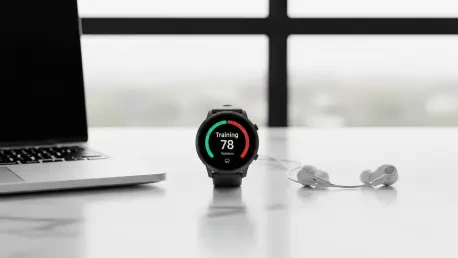
Beyond the impressive hardware specifications, these watches provide full access to a suite of advanced training metrics that transform raw data into actionable insights for daily life. Features like the Training Readiness score and the Body Battery monitor allow athletes to understand how their bodies are responding to various stressors, both from exercise and lifestyle factors. By analyzing sleep quality, recovery time, and heart rate variability, the system offers a nuanced view of an individual’s physical state. This data-driven approach helps runners avoid the common pitfalls of overtraining and injury by suggesting when to push for a new personal record and when to prioritize active recovery. The consistency of these physiological models across the 265 and 965 ensures that users are not missing out on the core innovations that define the modern Garmin experience. Investing in these models means securing a sophisticated biometric lab that continues to receive regular software updates and support.
Distinctive Design Choices for Specific Athletic Needs
While sharing many internal components, the Forerunner 265 is specifically engineered for road runners who value a lightweight and unobtrusive design for their competitive events. Weighing approximately 47 grams, this watch is designed to disappear on the wrist, minimizing any potential distraction during high-cadence sprints or grueling marathons. This focus on a streamlined form factor does not sacrifice durability or battery life, as the device is built to withstand the rigors of daily training while providing enough power for multiple days of tracking. For many athletes, the 265 represents the ideal balance of performance and practicality, offering every essential metric required for serious road racing without the added bulk of outdoor-specific features. It serves as a dedicated tool for those whose primary focus is speed and efficiency on paved surfaces. The design philosophy here emphasizes that high-performance technology should enhance the athletic experience without becoming a physical burden during a race.
In contrast to its lighter sibling, the Forerunner 965 offers a more robust construction and expanded navigation features that cater to the needs of trail runners and ultramarathoners. The inclusion of a premium titanium bezel adds a layer of physical protection against the environmental hazards often encountered in off-road settings, such as rocks and low-hanging branches. More importantly, the 965 features full-color, built-in topographic maps that allow for independent navigation in remote areas without needing a cellular signal. This capability is essential for those who explore unfamiliar trails and require real-time guidance to stay on course. Additionally, the extended battery life and specialized features like real-time stamina tracking provide critical insights for managing energy over extremely long durations. This device is more than just a fitness watch; it is a comprehensive navigation and performance tool designed for those who push the boundaries of distance and terrain. Its rugged build and deep feature set justify its status as a flagship choice.
Strategic Value and Long-Term Performance Trajectories
The transition toward these established models proved to be a highly effective strategy for athletes who prioritized functional value over the allure of the absolute newest hardware. By integrating the Forerunner 265 or 965 into their training regimens, runners secured access to professional-grade data that remained accurate and relevant across multiple seasons. The decision to bypass the initial release window for newer devices allowed these users to allocate their resources toward other critical areas of their athletic development, such as professional coaching or travel for major marathon events. These watches demonstrated that the most important factor in a wearable was its ability to provide consistent, reliable insights that supported long-term fitness goals. For those still considering their options, prioritizing a device with a proven software track record offered the most stability for year-round training. This strategic approach to technology acquisition ensured that the tools used for performance monitoring remained precise, allowing runners to focus on their physical milestones.